
Last updated November 15, 2026
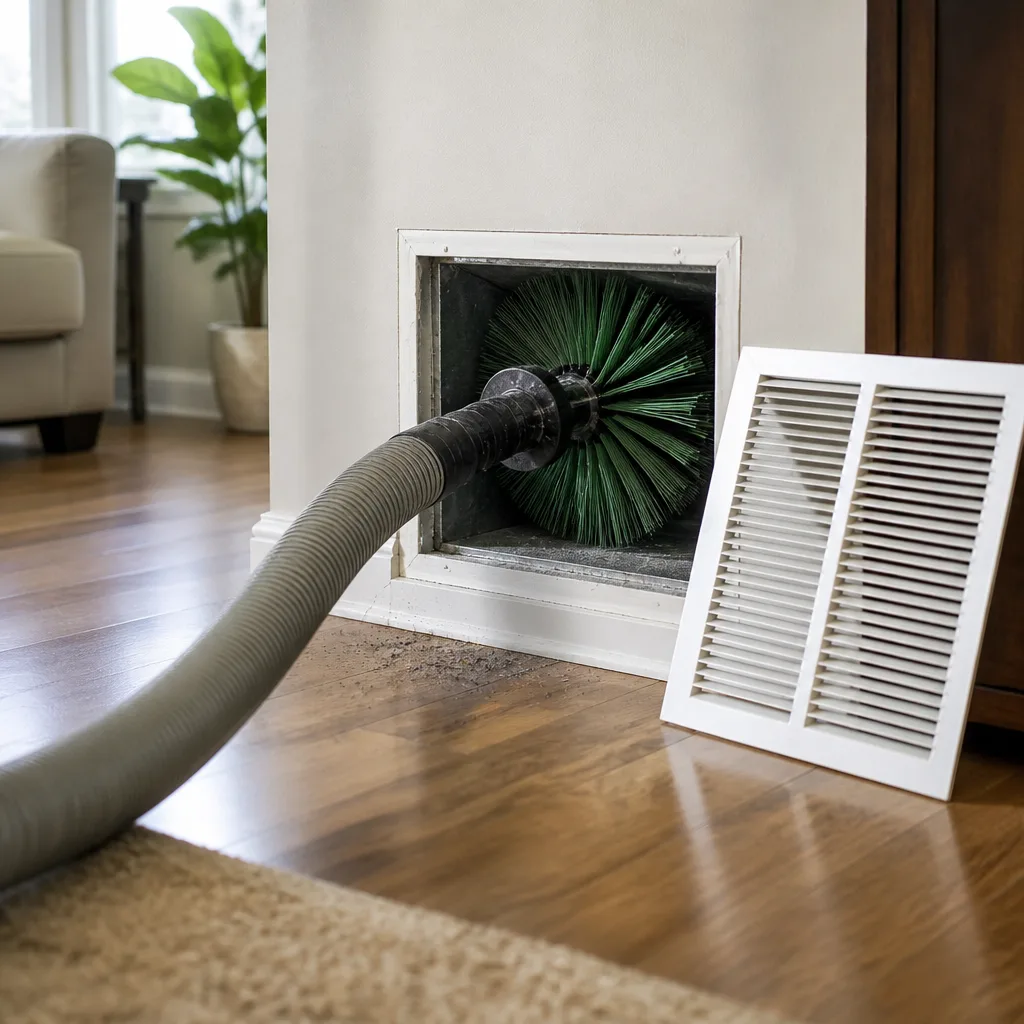 Whole-home duct cleaning
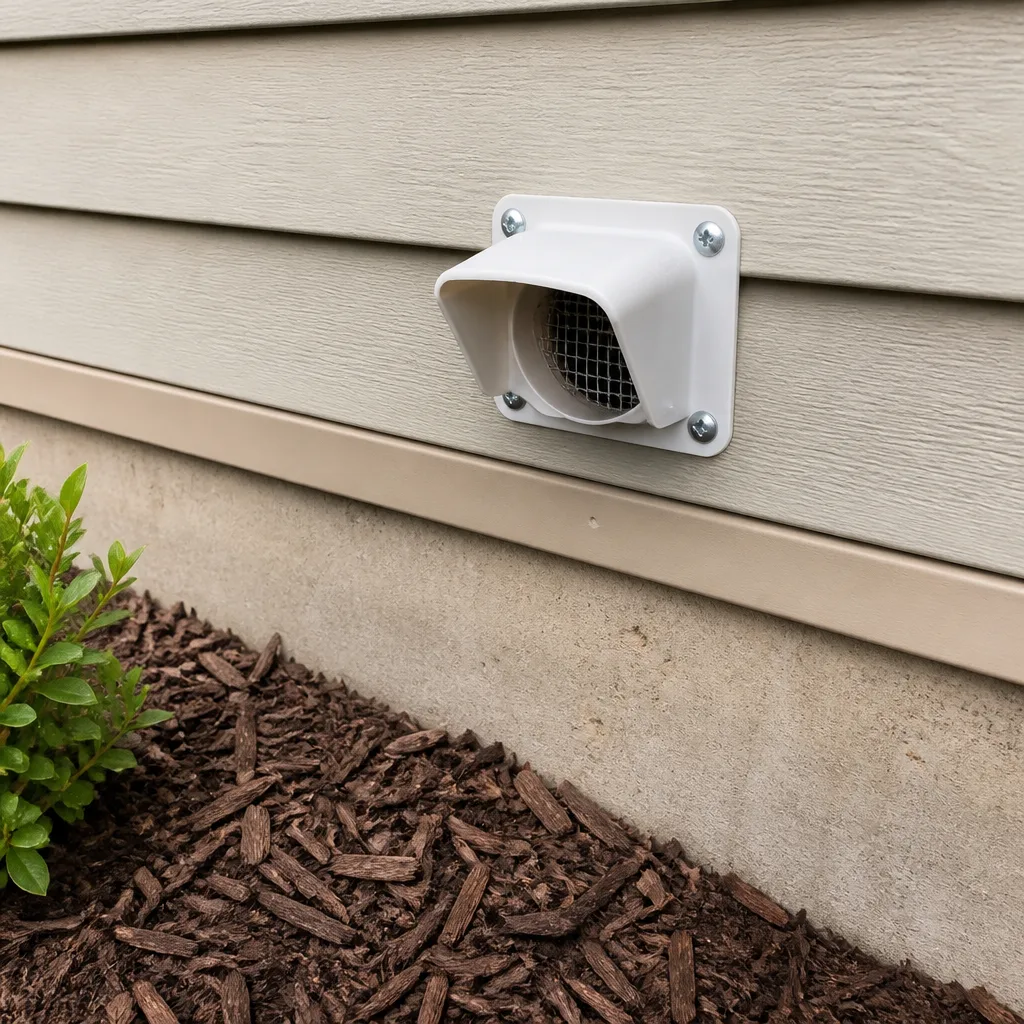 Dryer vent cleaning
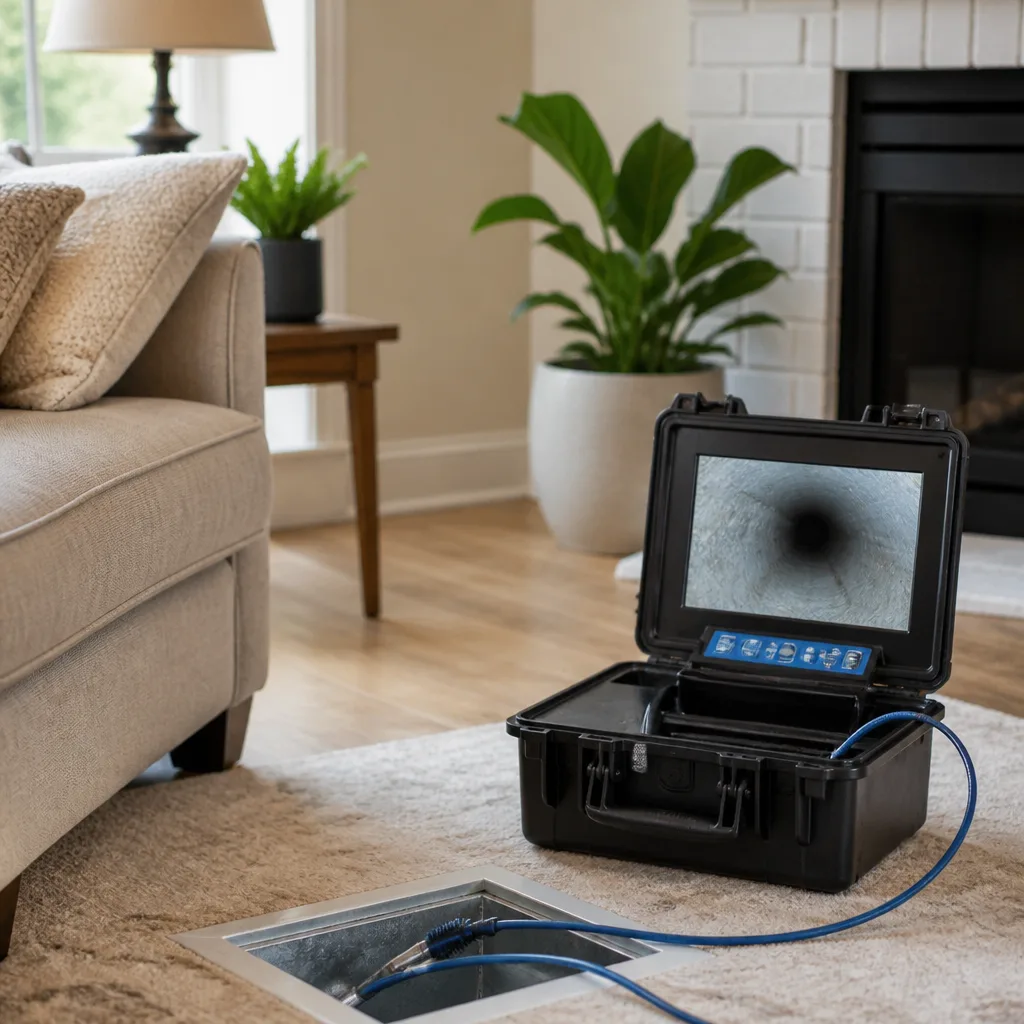 Camera inspection
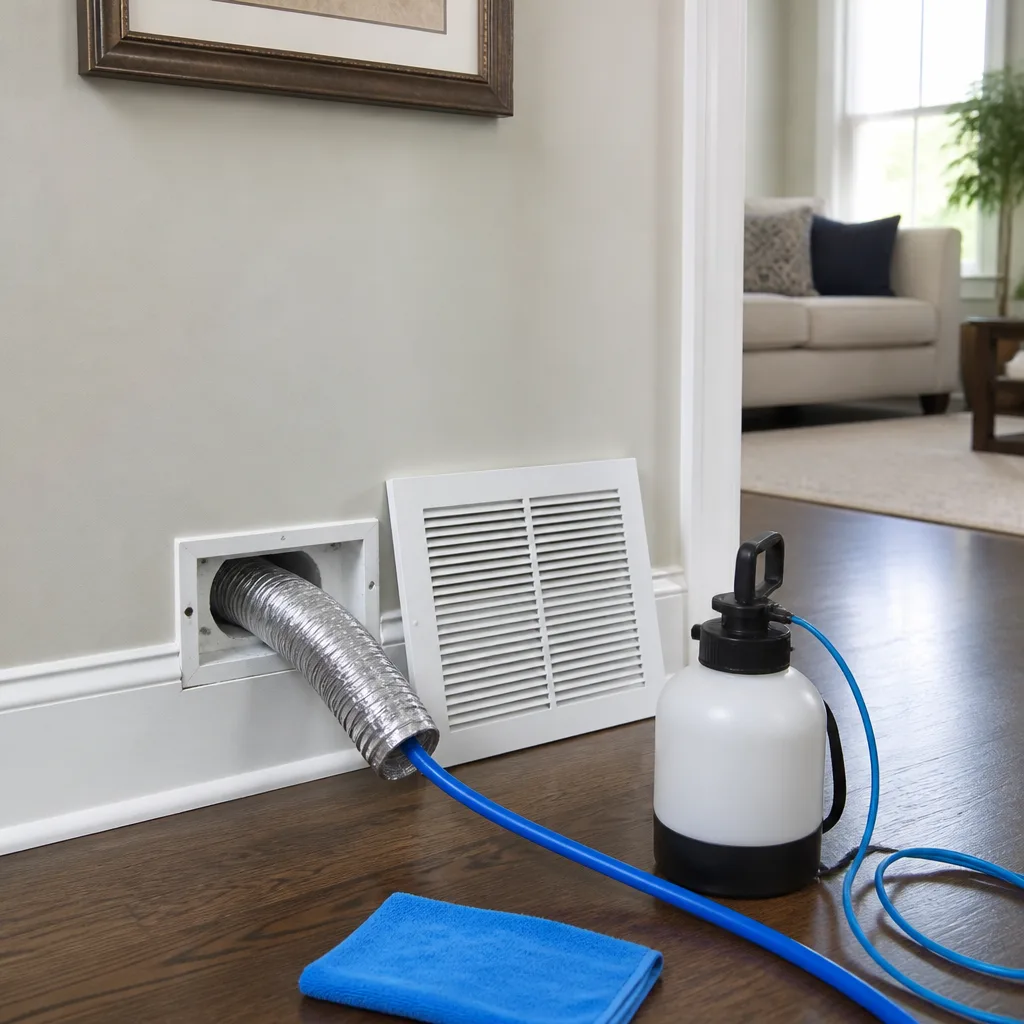 Sanitizing & deodorizing
Whole-system duct and dryer vent check with before-and-after photos - you see exactly what came out of your vents
That "$99 whole-house special" is a bait ad - the real number appears once they are in your hallway, or the "clean" is a shop-vac at the register. We photograph the inside of your ducts before and after instead.
Air Duct Cleaning Permits, Codes & Inspections in Vacaville, CA: What You Need to Know
The cleaning itself doesn’t pull a permit. The mold remediation it uncovers does. The disconnected duct section it finds does. The unlined flex duct someone installed without inspection does. That’s the distinction most homeowners miss, and it’s the one that causes trouble: they hire a cleaner, the cleaner finds a problem, and suddenly a routine job has turned into regulated work nobody planned for. In Solano County, that gap between what a cleaning crew can legally touch and what requires a permit is where code violations, insurance complications, and failed system inspections tend to happen. This guide is about where the cleaning stops and the regulated work begins, and what that means for your home in Vacaville.
Quick Answer
Air duct cleaning itself does not require a permit in Vacaville or anywhere in California. However, the conditions cleaning often uncovers, including damaged or disconnected duct sections, mold growth inside the system, and asbestos-containing insulation in pre-1980 ductwork, can trigger permit and code requirements under the California Mechanical Code and Solano County building rules. A cleaning contractor can clean, document, and report; structural repairs, mold remediation, and asbestos handling fall into a different category of regulated work.
Styles & brands we work with
- Whole-home duct cleaning
- Dryer vent cleaning
- Camera inspection
- Sanitizing & deodorizing
Table of Contents
- What California Mechanical Code Section 604 Actually Says
- Solano County Permit Triggers: When Cleaning Becomes Repair
- Pre-1980 Ducts: Asbestos Insulation and the Rule That Stops a Job Cold
- HOA CC&Rs and Shared-Wall Duct Access in Vacaville Communities
- What a Cleaning Contractor Is Legally Required to Disclose
- Insurance Documentation: Why Cleaning Records Matter for HVAC Claims
- What an Inspection Actually Covers and How to Prepare
- Cleaning vs. Repair: How to Know Which One You’re Hiring For
What California Mechanical Code Section 604 Actually Says
California Mechanical Code Section 604 addresses duct system maintenance and establishes that duct systems must be maintained in safe and functional condition. What it does not do is require a homeowner to obtain a permit to have their ducts cleaned. That’s the key distinction. Section 604 creates an ongoing maintenance obligation, not a permitting trigger for cleaning itself. The obligation sits with whoever controls the property, and it becomes enforceable when something in the system is no longer in safe or functional condition.
Read that carefully and the practical implications start to show. A duct system full of dust and debris isn’t, on its own, a code violation. A duct system with a disconnected section dumping conditioned air into a crawl space or wall cavity, or with a collapsed run, or with contaminated insulation, is a different situation. At that point, the system isn’t functioning as designed, and the maintenance obligation under Section 604 has been breached whether the homeowner knew about it or not.
In our experience cleaning ducts across Vacaville, the gap between a dirty system and one that fails this standard is often invisible until you’re inside the ductwork with a camera. A homeowner who books a cleaning expecting a straightforward job sometimes learns that the reason their energy bills crept up and their back bedrooms never cooled properly is a loose joint behind a wall. That discovery is where the conversation shifts from maintenance to repair, and repair is where permits enter the picture.
What Section 604 does establish clearly is that duct maintenance is a legal responsibility, not just a comfort preference. If you’re selling a home in Vacaville, that matters. If you’re filing an HVAC claim with your insurer, that matters. If you’re doing renovations that touch the duct system, that matters. The code doesn’t punish you for having dirty ducts. It holds you accountable for a system that isn’t safe or functional, and knowing which side of that line you’re on requires an inspection, not a guess.
The other piece worth understanding is that Section 604 is part of the broader California Mechanical Code, which sets the standard for how duct systems must be installed, altered, and maintained. The code language is technical, but the plain reading is this: a homeowner has a duty to keep the duct system in working order, and when work is done that alters the system in any material way, that work falls under permit requirements enforced by the local building authority. Cleaning isn’t alteration. Repair very often is. If you want to understand what a professional cleaning involves from start to finish, our air duct cleaning page walks through the process in detail.
Solano County Permit Triggers: When Cleaning Becomes Repair
Solano County and the City of Vacaville issue permits for work that alters, replaces, or materially repairs a mechanical system. Routine cleaning is not in that category. The problem is that cleaning is often the first time anyone has a clear view of what’s actually inside the ductwork, and what’s revealed frequently includes conditions that do require a permit before the fix can legally proceed.
Here’s how to think about the categories. These are the conditions that commonly move a job from cleaning scope into permitted repair scope:
- Disconnected or collapsed duct sections. A joint that has separated in an attic or wall cavity, or a flex run that has crushed or torn, needs replacement or reconnection. That’s alteration, and in most cases it requires a mechanical permit.
- Mold growth inside the duct system. Surface dust is cleaning. Active mold colonization indicates a moisture source and requires remediation, which is a specialty scope with its own handling, containment, and often clearance requirements. Abatement Technologies air filtration equipment is the kind of remediation-grade gear that signals this is being handled correctly, not taped over and ignored.
- Asbestos-containing insulation in pre-1980 systems. Any disturbance of suspected asbestos material in a home built before 1980 requires testing and, if positive, licensed abatement. Cleaning around it without testing is a serious compliance problem.
- Rerouting or extending duct runs. Adding a register, moving a run, or reconfiguring the layout is mechanical work under permit.
- Replacement of the duct system or a significant portion of it. This always requires a permit and inspection.
What makes Vacaville interesting is the housing stock. A lot of homes here were built in the 1960s through the 1980s, which means a meaningful share of the duct systems in town are original or have been patched over the decades by previous owners. We’ve seen flex duct added in ways that wouldn’t pass inspection, joints sealed with tape that has long since failed, and insulation wrapped around runs with no vapor barrier worth mentioning. None of that is visible from the register. It only surfaces when someone actually gets inside the system.
The sequence matters too. If a cleaning uncovers a condition that requires a permit, the correct order is: stop, document, disclose, then permit and repair. Cleaning through a known problem and hoping no one notices is not an option for a legitimate contractor, and if one offers to do that, it’s a signal about how they operate. Our air duct cleaning service in Vacaville is structured around that sequence, which is why cleaning and repair are both part of what we do.
Pre-1980 Ducts: Asbestos Insulation and the Rule That Stops a Job Cold
If your Vacaville home was built before roughly 1980, there’s a reasonable chance some portion of the duct system is wrapped or lined with material that contains asbestos. This isn’t a scare tactic, it’s the reality of construction materials used in that era across California. The correct approach is not to assume. It’s to test.
Here’s what that means practically for a cleaning job:
- Identify any suspect material in the duct system, including external wrap on runs, lining inside plenums, and insulation around the air handler connection.
- Stop work in that area and do not disturb the material. No brushing, no vacuuming over it, no cutting into it.
- Recommend testing by a qualified asbestos inspector before any work proceeds in that section.
- If the material tests positive, the affected section requires licensed abatement before cleaning or repair can resume.
- Clean the rest of the system only after the abatement clearance is in hand.
A cleaning contractor who is being straight with you will tell you this before they show up, not after they’ve already started. If you don’t know the age of your duct system or you’re not sure what’s wrapped around it, ask the question up front. Our Vacaville service area page is a reasonable starting point if you want to understand what we cover locally, but the specific question about pre-1980 material needs to be raised on the phone before the visit.
What a contractor can and can’t do here is also worth being clear about. A cleaning contractor can identify suspect material, stop work, and refer you to testing. A cleaning contractor cannot remove, encapsulate, or otherwise handle asbestos-containing material without the appropriate licensing. Anyone who tells you they’ll “just work around it” or that it’s “not a big deal in a house this age” is telling you something important about how they handle risk. The right move is to test, then proceed based on the result. That’s the only defensible sequence.
HOA CC&Rs and Shared-Wall Duct Access in Vacaville Communities
Vacaville has a large number of planned communities and townhome developments, and those HOAs have rules. Some CC&Rs restrict access to shared-wall duct systems or common areas, require advance written notice before contractors enter, or specify which contractors can work inside the common elements at all. This isn’t a cleaning problem, it’s a permission problem, and it needs to be solved before the appointment, not on the day of.
If you live in a townhome or attached property, the questions to answer before booking cleaning are:
- Does your HOA CC&R address duct work, HVAC access, or common-wall penetrations?
- Does the contractor need a written authorization to enter common areas, a roof, or a shared attic?
- Are there designated contractor requirements, such as proof of insurance or a signed work agreement, before entry?
- Is there a specific window or notification process the HOA requires for any work involving shared systems?
In our experience, the HOAs in Vacaville are not unreasonable, but they do require documentation. The most common problem we see is a homeowner who books cleaning, has the crew arrive, and then can’t authorize entry into a shared crawl space or attic because the HOA hasn’t signed off on the access. That’s a wasted appointment for everyone.
What documentation contractors need before entering shared-wall systems typically includes proof of general liability insurance, a written work authorization from the property owner or HOA, and in some communities, a current business registration on file with the association. If your HOA requires a specific form, get it before the appointment. If you’re not sure what your CC&R says about duct work, ask your HOA for the mechanical or alteration provisions in writing. It’s a five-minute email that saves an afternoon.
What a Cleaning Contractor Is Legally Required to Disclose
When a cleaning contractor encounters a condition in the duct system that could constitute a health hazard or a code violation, disclosure is not optional. California contractor licensing rules and general duty-of-care standards require a licensed contractor to report known hazardous conditions to the property owner rather than conceal them or proceed around them without informing the homeowner.
In practical terms, disclosure should include:
- A description of the condition, in plain language, with whatever photographic or video documentation was captured.
- Why it matters, which may be a health concern, a code concern, or both.
- What scope of work is required to address it, and whether that scope is within the cleaning contractor’s capabilities or requires a different licensed trade.
- What the homeowner’s obligations are, including any testing requirements for suspected asbestos or any permitting requirements for the repair.
The right disclosure is written, not verbal. A verbal mention in a doorway that “there’s some mold in there, you should probably look at it” is not a disclosure in any meaningful sense. It’s a liability hedge. If a contractor finds something and doesn’t put it in writing with photos, the homeowner has no record, and that matters when the condition later becomes a problem with the insurer or the buyer’s inspector.
On our own jobs, we document every condition we find with before-and-after photos of the duct system itself, because that record serves both the homeowner and the disclosure obligation. The same documentation is what supports the “how do I know the work was actually done” question that legitimate customers rightly ask. If a contractor can’t show you photos of your own ducts, that’s a different conversation worth having.
Insurance Documentation: Why Cleaning Records Matter for HVAC Claims
Some homeowner policies require professional maintenance records to support an HVAC-related claim, and a duct cleaning record can help establish that the system was maintained in good condition before a loss. That’s the insurance angle most homeowners don’t think about until they need it. If a water damage event or a fire involves the HVAC system, the insurer’s adjuster will want to know the system’s condition before the event. A cleaning record with photos and dates does exactly that. A coupon-style receipt with a company name and a total does not.
What a cleaning record needs to include to be useful for an insurance claim:
- The date of service and the contractor’s business name and contact information.
- The scope of work performed, described specifically enough to show what was cleaned.
- Before-and-after photos of the duct system, especially any areas where conditions were noted.
- Written documentation of any conditions found, including mold, damage, or disconnected sections.
- A clear statement of what was not addressed and why, if any part of the system was left alone.
The documentation matters most in older Vacaville homes where prior owners may have made informal changes to the duct system. When an insurer asks whether a duct failure contributed to a loss, the ability to show a professional inspection and cleaning record is what makes the claim cleaner. Without it, the adjuster has no basis for confidence in the system’s condition, and that can push the claim toward a more adversarial conversation.
Ask for the documentation at the time of service and get it in writing. If you’re planning to sell your Vacaville home, keep the record with your home maintenance file. Buyers’ inspectors ask for it, and having it available shortens the negotiation considerably. Cleaning records from a professional-grade operation like ours, using Rotobrush rotary contact cleaning and documented before-and-after photos, are built to serve this purpose, not just to satisfy the scheduling software.
What an Inspection Actually Covers and How to Prepare
An HVAC inspection after a cleaning or repair is about confirming that the system, as installed or as modified, meets code. It’s not about grading the quality of the cleaning. The inspector is checking the regulated work: duct connections, material compliance, support and clearances, and in some cases the air-handling system’s relationship to the ductwork. For a cleaning-only job, there’s generally nothing to inspect because no permitted work was done. For a repair, inspection is the final step.
How to prepare for an inspection when a repair has been permitted:
- Confirm the permit is visible and the inspector has access to the mechanical spaces where the work was done.
- Make sure the contractor’s documentation is on hand, including what was repaired and any material certifications.
- Clear access to the attic, crawl space, or mechanical closet, since inspectors need physical access, not photographs.
- Be available to answer questions, or have the contractor present if they were contracted to be there.
In Solano County, and in Vacaville specifically, the inspection timeline depends on the permit type and the workload of the building department. A homeowner shouldn’t assume the inspection happens the same day as the final repair. That’s why permit-requiring repairs, when discovered during cleaning, need to be planned rather than rushed. If a contractor tells you they can do the repair and “the inspection will work itself out,” that’s a red flag worth taking seriously.
For most Vacaville homeowners, the practical takeaway is simpler: if the cleaning reveals a problem that requires a permit, get the permit before the repair, not after. The inspection is the closing step, not an obstacle.
Cleaning vs. Repair: How to Know Which One You’re Hiring For
This is the question that sits underneath the entire guide. Cleaning and repair are different scopes with different code implications, and a homeowner who knows which one they’re buying is in a much better position than one who doesn’t. Cleaning removes accumulated debris from a system that is otherwise sound. Repair corrects a system that is not sound, and repair very often requires a permit.
Here’s how to tell the difference in advance:
- Ask whether the contractor offers repair. A cleaning-only operation that lacks duct repair capability will sometimes report problems and leave, which means you’re now paying for a second visit and a second contractor. Both cleaning and repair are part of what we do for exactly that reason.
- Ask what happens if damage is found. A straight answer names the disclosure process, the documentation, and the possibility that a permit will be required.
- Ask which equipment is used. A professional-grade setup like Rotobrush and Nikro equipment, with Abatement Technologies filtration on hand, is a signal that the contractor is prepared for conditions that go beyond ordinary dust.
- Ask for documentation. A contractor who naturally reaches for before-and-after photos and a written summary is a contractor who understands that the record matters to insurers and inspectors.
The distinction also tells you something about your own obligations. If you book cleaning and nothing is found, you’ve fulfilled the maintenance side of what California Mechanical Code Section 604 expects. If something is found and you decline the repair, you now know about a condition that may affect the system’s safe operation, and that knowledge is yours to act on. Acting sooner rather than later is almost always cheaper and simpler than letting the condition develop. Our dryer vent cleaning service is a good example of the same logic at a smaller scale: a documented fire-prevention job that’s a lot easier to schedule than to recover from.
Common Mistakes to Avoid
- Assuming cleaning needs a permit. It doesn’t. Confusing cleaning with alteration can cause a homeowner to skip the job entirely, which leaves the system drifting out of compliance with Section 604’s maintenance expectation.
- Assuming discovered damage doesn’t need a permit. This is the bigger error. A disconnected duct or mold colonization that gets taped over instead of repaired and permitted becomes a problem for you at resale, at claim time, and at the next inspection.
- Skipping asbestos testing on pre-1980 ductwork. If your Vacaville home is older and the duct wrap looks suspicious, test before anyone disturbs it. A contractor who brushes past this step is telling you something.
- Booking a townhome or HOA property without checking CC&Rs. Shared-wall access and common-area entry usually require written authorization. Confirm before the appointment, not on the day.
- Keeping a coupon receipt instead of a proper record. A one-line receipt with a total is not useful for an insurance claim or a home sale. Ask for the full documentation.
- Hiring a cleaning-only contractor for a job that may need repair. If damage is likely, work with a company that can clean and repair in the same scope, so the disclosure and the fix don’t get split between two parties.
- Treating disclosure as a sales pitch. If a contractor’s “finding” is presented as an urgent upsell with no photos, no measurements, and no written report, get a second opinion. Real findings come with documentation.
See the difference
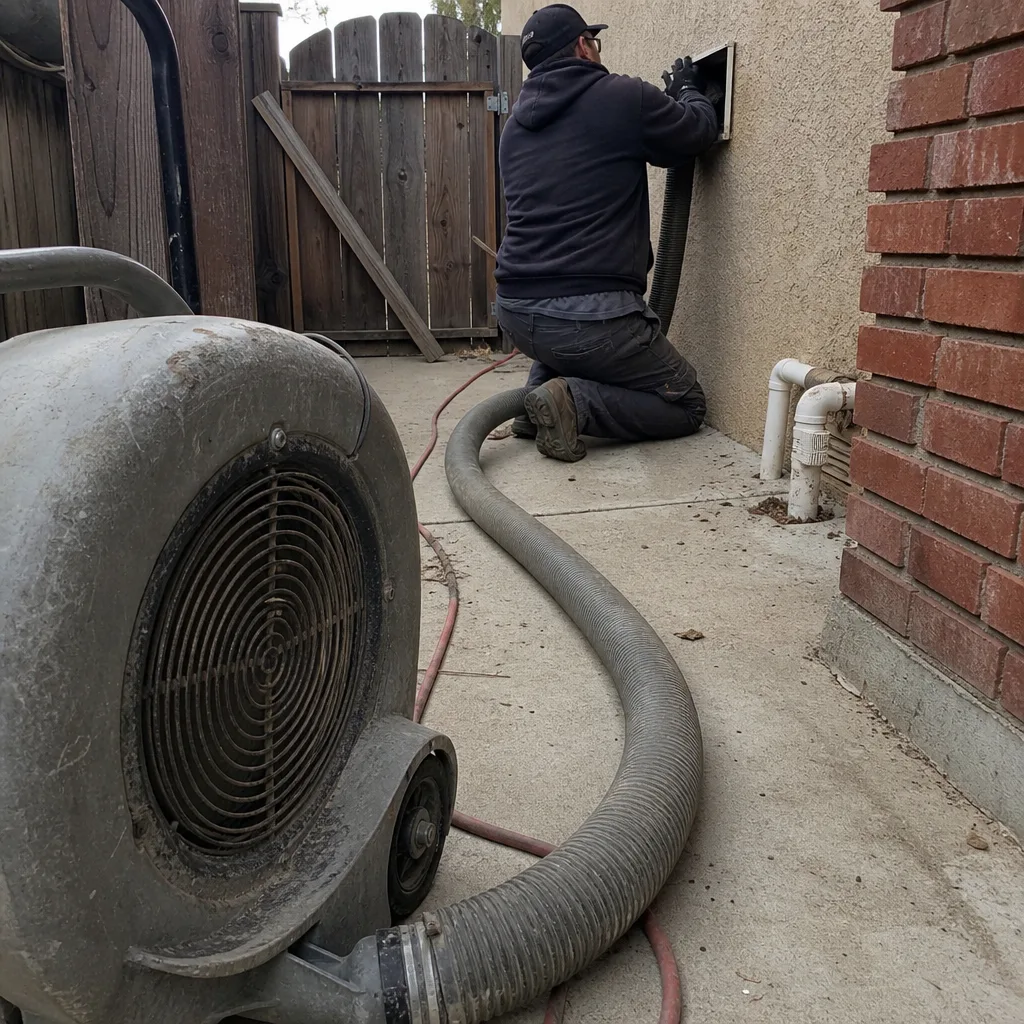 Before
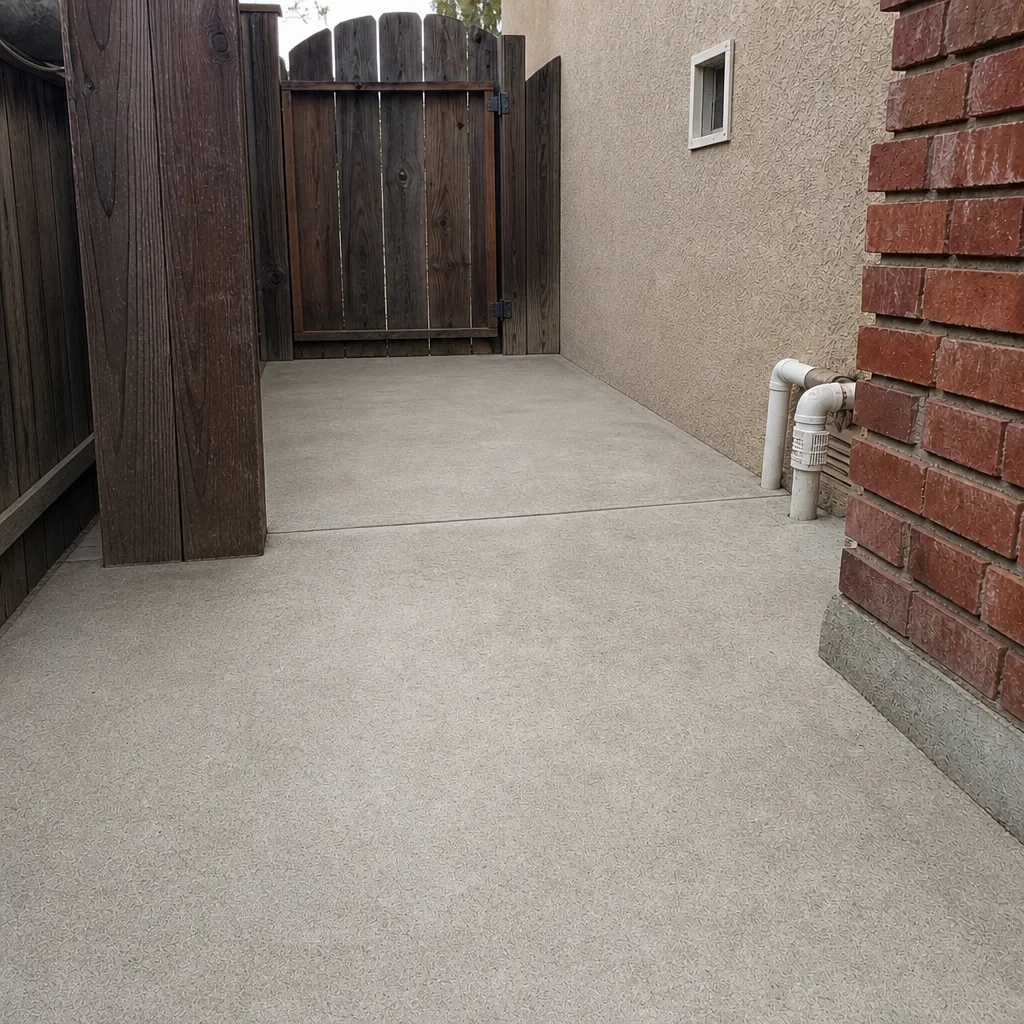 After
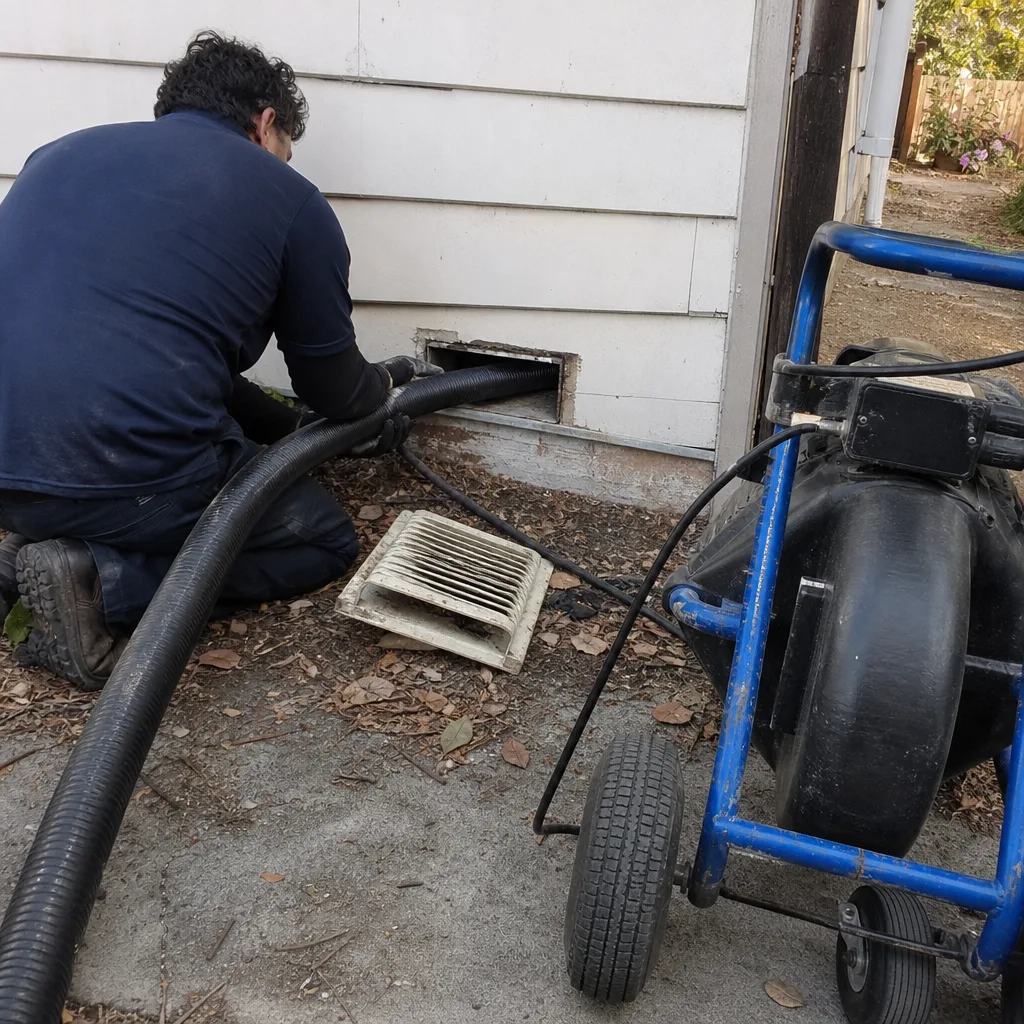 Before
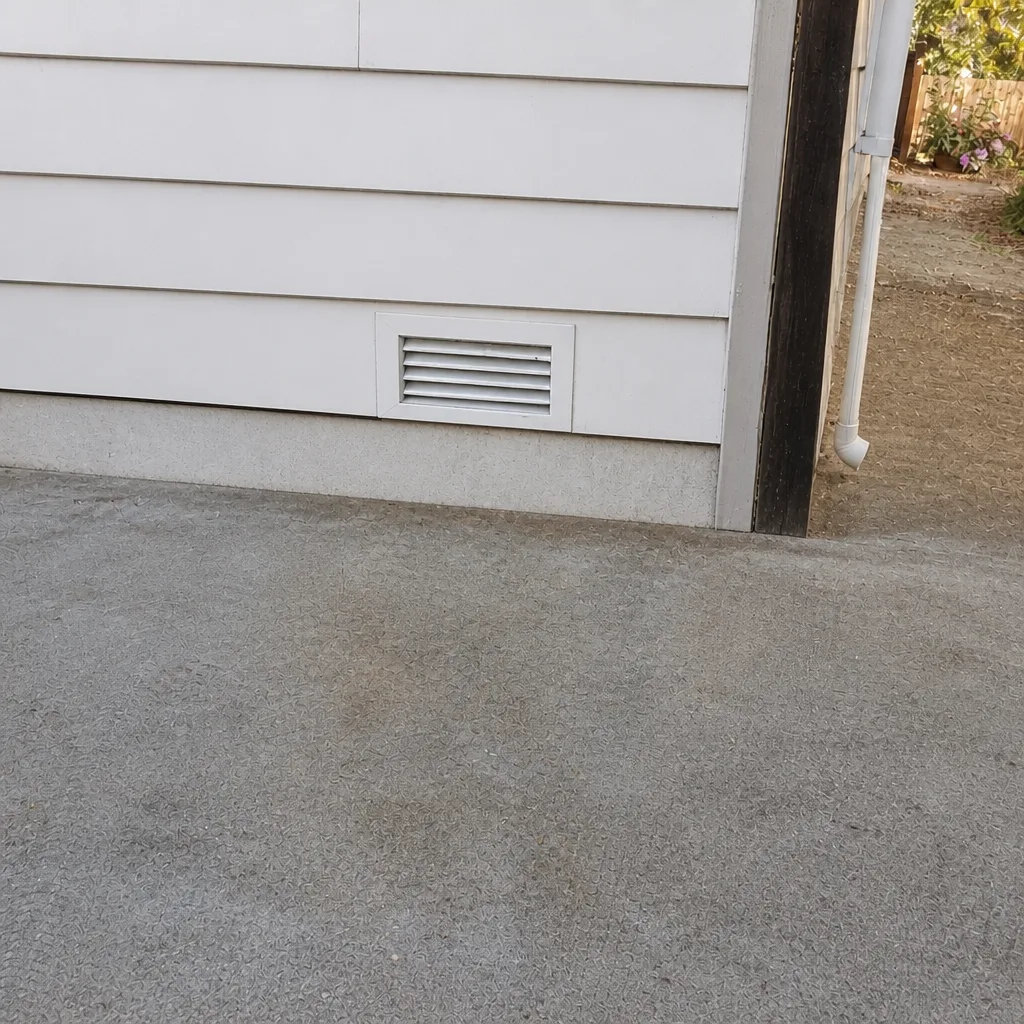 After
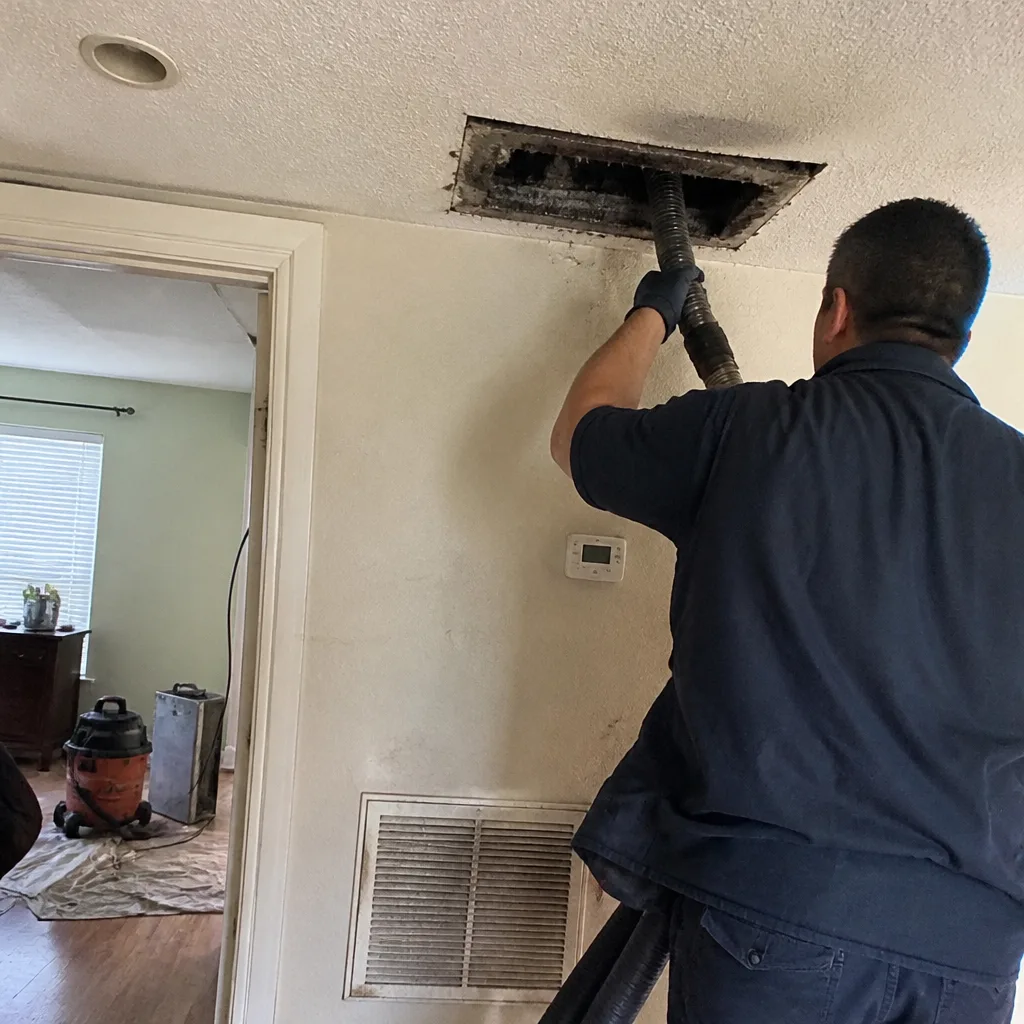 Before
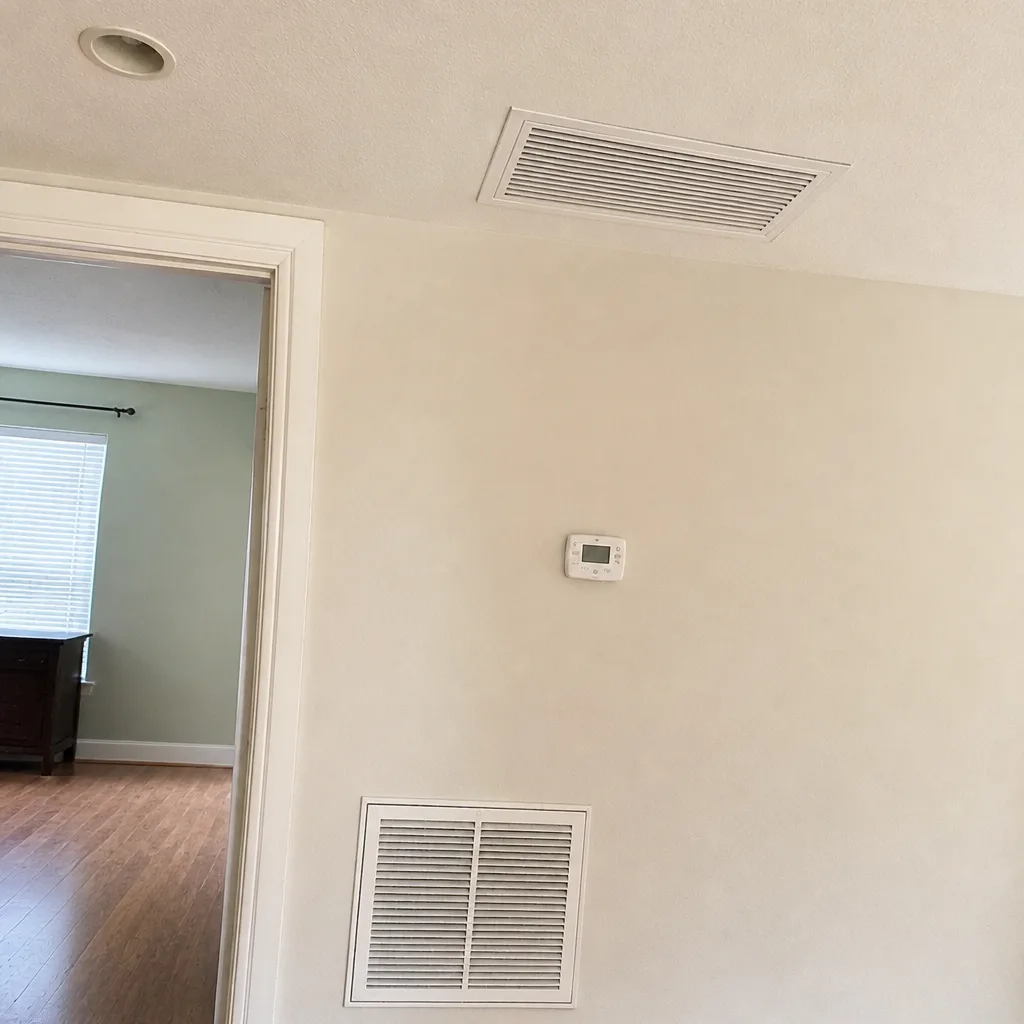 After
When to Call a Professional
Some signs point clearly to a professional visit. If you’ve never had the duct system cleaned and the home is more than a decade old, or if you’ve recently completed a renovation that generated dust, it’s time. If anyone in the household has noticed increased dust or allergy symptoms that seem tied to the HVAC, that’s a diagnostic question a professional should answer, not something to resolve with a consumer-grade vacuum. If your dryer is taking longer to dry clothes, that’s a dryer vent concern worth taking seriously. If you’re selling a Vacaville home and the buyer’s inspector flags the ductwork, get a professional assessment before negotiating.
Duct Cleaning Vacaville offers free estimates in Vacaville. Call (888) 293-3839. We answer 24/7. Fast dispatch from 7am to 7pm, Sunday through Friday. Our technicians have up to 13 years of experience, and we clean and repair in a single scope, so the loop closes without a second contractor.
Frequently Asked Questions
No. Air duct cleaning in Vacaville does not require a permit, and the cleaning itself is not regulated mechanical work under the California Mechanical Code. Permits come into play only when the cleaning uncovers a condition that requires repair, such as a disconnected duct section, mold remediation, or replacement of damaged runs. A legitimate contractor will tell you when a repair moves into permitted scope. Call (888) 293-3839 for a free estimate if you’re not sure what your home needs.
Air duct cleaning is priced as one flat price per system, agreed before work starts, based on the size and configuration of your ductwork rather than a per-vent count. That structure exists because per-vent pricing is where the bait-and-switch reputation of this industry comes from: a low coupon number that expands once the technician is on site. We give whole-system pricing in writing and take before-and-after photos of your own ducts so you can see what was done. Call (888) 293-3839 for an exact quote on your Vacaville home. Estimates are free.
Cheap quotes usually reflect a shop vac and a flashlight, not professional-grade duct cleaning equipment. A low number often means the system wasn’t actually entered, the cleaning was surface-level at the registers, and the documentation you’d need for an insurance claim or home sale doesn’t exist. The honest comparison isn’t price against price, it’s scope against scope, and the right question is which equipment was used and whether before-and-after photos will be provided. Call (888) 293-3839 to compare what our Rotobrush and Nikro setup actually does. Estimates are free.
You know because of documentation: before-and-after photos of your own duct system, a written summary of what was cleaned, and a record you can keep. A contractor who can’t produce photos of your ducts after the job isn’t giving you a verifiable service. We hand over that record at the end of every job, and it’s the same record that supports an insurance claim or a home sale later. Call (888) 293-3839 for a free estimate and ask what documentation is included.
Most homes in Vacaville benefit from professional cleaning every three to five years, though the right interval depends on the home, the household, and what’s happened to the system. Recent renovations, pets, and visible dust at the registers all shorten the window. Homes with pre-1980 duct systems often need an inspection before a cleaning can be planned, because the insulation material has to be assessed first. Call (888) 293-3839 to talk through your specific situation. Estimates are free.
The contractor is required to disclose it in writing, with documentation, and to explain what scope of work is needed. Mold remediation and permitted duct repair are separate from cleaning and usually require a different level of containment and sometimes a building permit. Our Abatement Technologies filtration equipment is remediation-grade, which means we can handle the containment side of that work on the same visit as the cleaning. Call (888) 293-3839 for a free estimate on a system that may have more than dust in it.
The Bottom Line
Cleaning doesn’t need a permit. Repair very often does. That single distinction is the whole guide in one line, and it matters in Vacaville because a lot of the housing stock is old enough that cleaning tends to uncover conditions nobody knew were there. California Mechanical Code Section 604 creates a maintenance obligation on the homeowner, not a permitting trigger for cleaning. But when a cleaning finds mold, a disconnected duct, or asbestos-containing insulation in a pre-1980 system, that work moves into regulated scope, and the correct sequence is stop, document, disclose, permit, repair, inspect. Hire someone who can clean and repair in one scope, get the documentation in writing, and answer the HOA access question before the appointment, not on the day.
Call (888) 293-3839 for a free estimate. We answer 24/7. Fast dispatch from 7am to 7pm, Sunday through Friday. Duct Cleaning Vacaville cleans, repairs, and handles the dryer vent in the same visit, using professional-grade equipment rather than a shop vac and a hose.
Written by the team at Duct Cleaning Vacaville.