
Last updated November 15, 2026
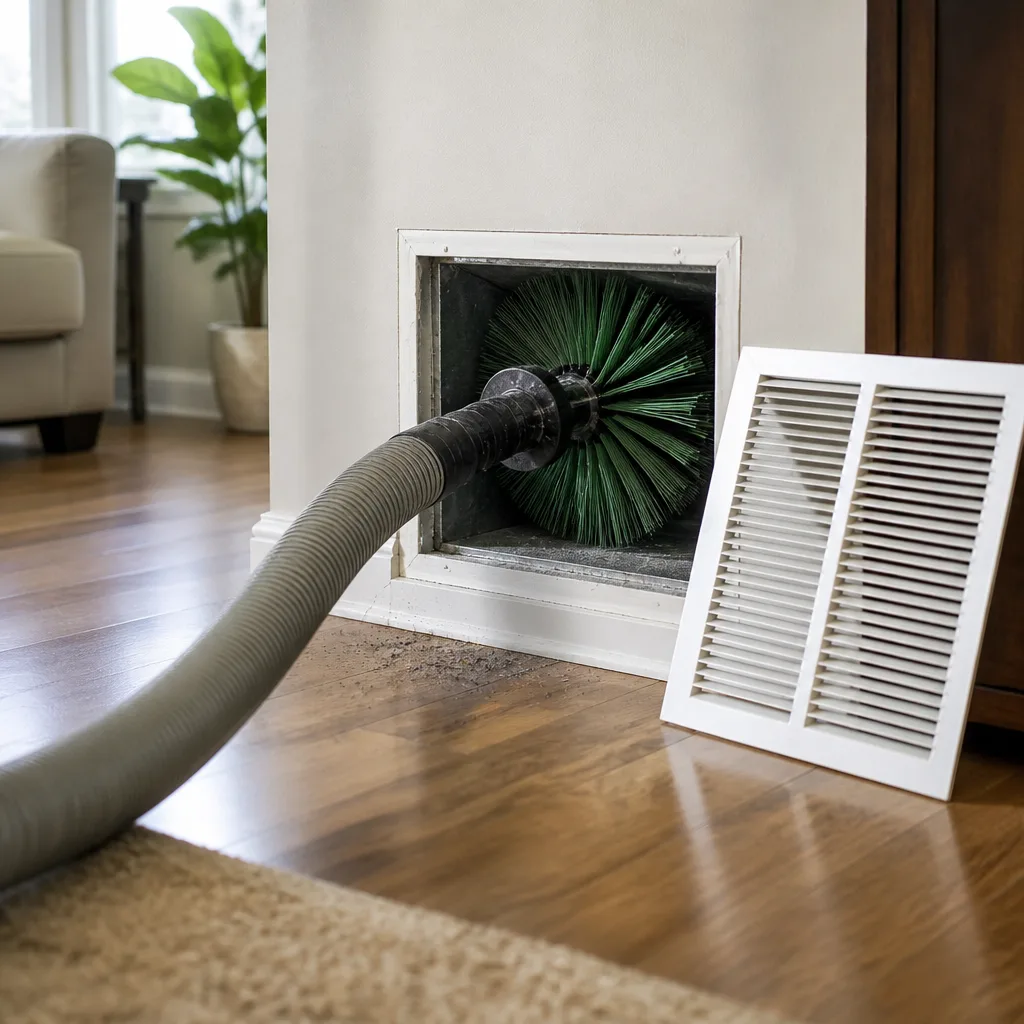 Whole-home duct cleaning
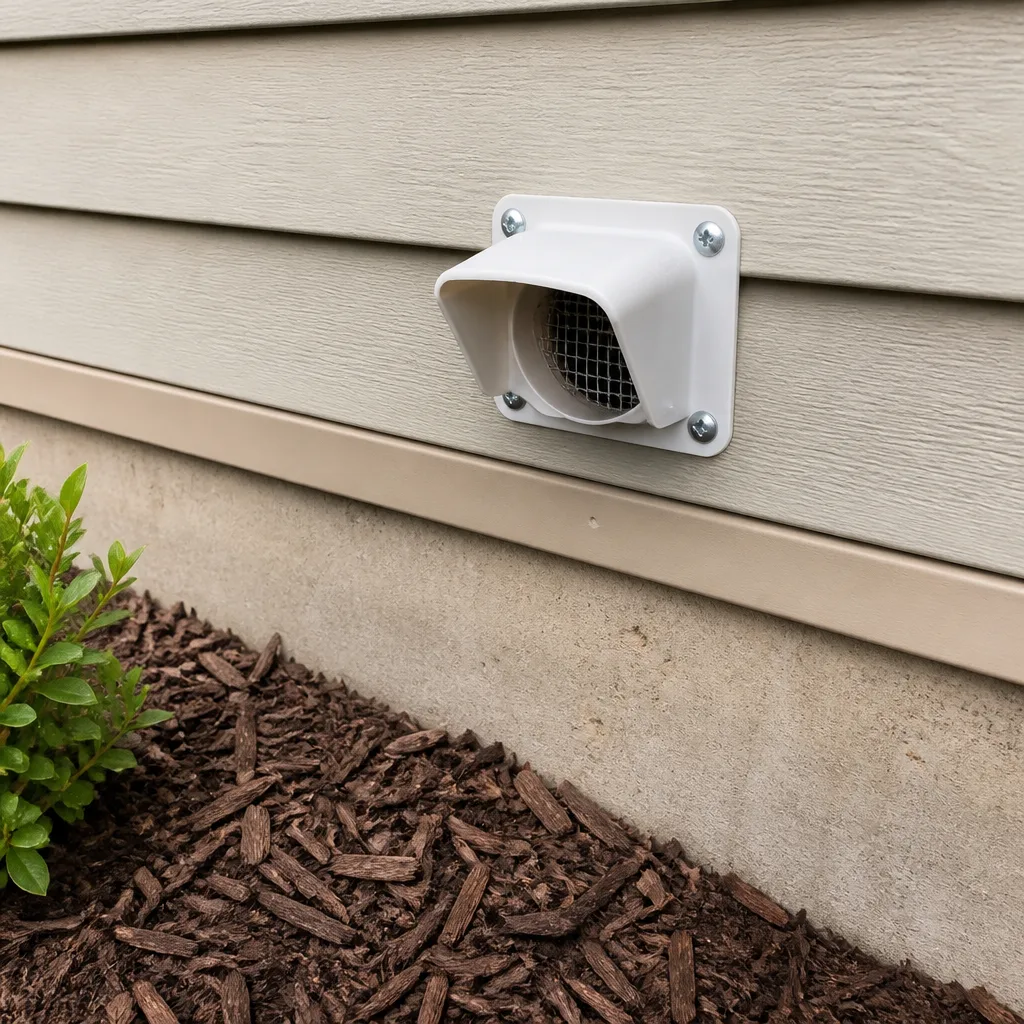 Dryer vent cleaning
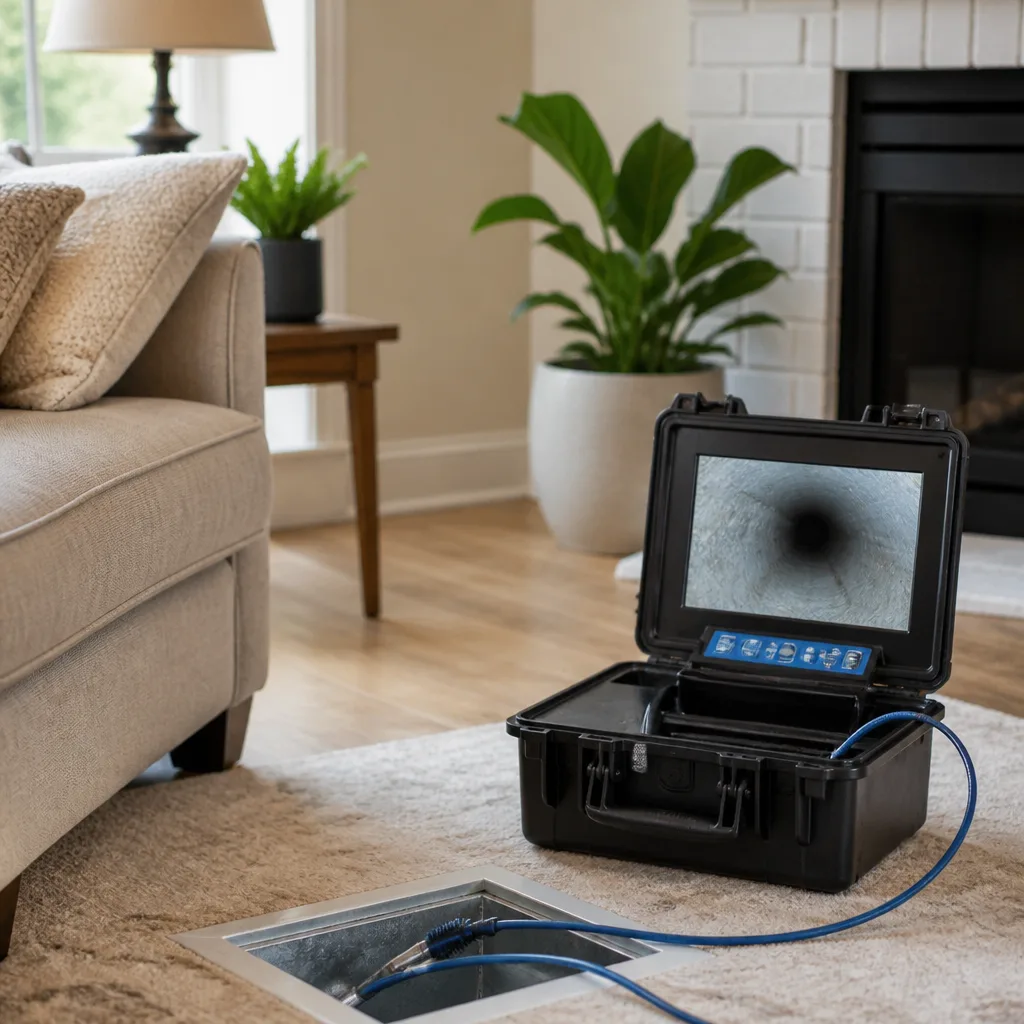 Camera inspection
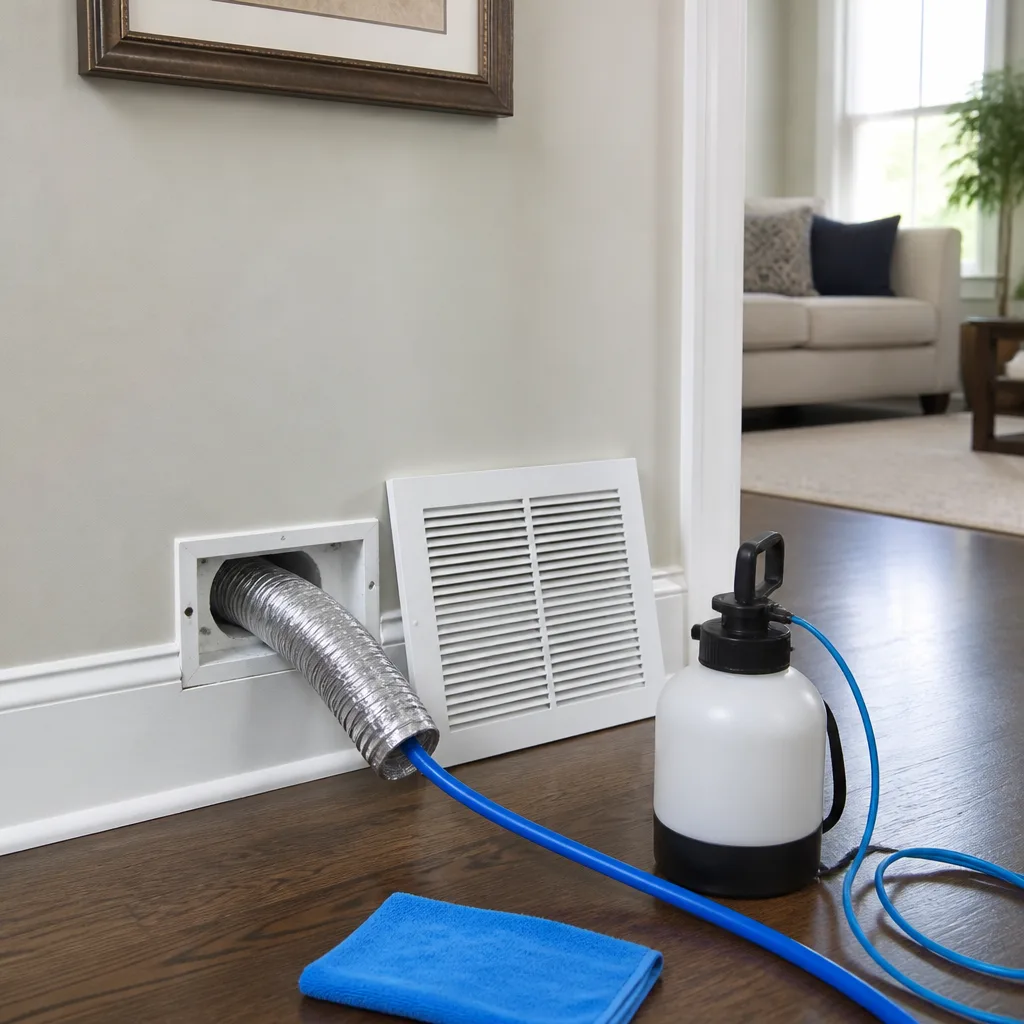 Sanitizing & deodorizing
Whole-system duct and dryer vent check with before-and-after photos - you see exactly what came out of your vents
That "$99 whole-house special" is a bait ad - the real number appears once they are in your hallway, or the "clean" is a shop-vac at the register. We photograph the inside of your ducts before and after instead.
Choosing the Right Air Duct Cleaning Brand: A Buyer’s Guide for Vacaville
When a duct cleaning contractor in Vacaville tells you they use “professional equipment,” that phrase means nothing without a brand name attached. Rotobrush and a Shop-Vac are both called “professional equipment” in this industry, and they perform nothing alike. One is a rotary contact cleaning system built to scour the inside walls of a duct. The other is a wet/dry vacuum with a hose taped to it. In a market full of low coupon prices and quick in-and-out visits, the equipment nameplate tells you more about a contractor’s real capability than any company logo ever will. This guide shows you what to look for, what to ask, and how to tell a technician-grade operation from a van with a vacuum.
Quick Answer
To choose the right air duct cleaning brand in Vacaville, ask what equipment they use by name. A credible contractor will name commercial-grade systems like Rotobrush rotary brushes, Nikro HVAC cleaning units, or Abatement Technologies air scrubbers, and explain how each one works. If the answer is vague (“the best equipment available”), that’s a deflection. Equipment brand, before-and-after documentation, and whether they can also repair ducts you find damaged matter more than the company name on the invoice.
Styles & brands we work with
- Whole-home duct cleaning
- Dryer vent cleaning
- Camera inspection
- Sanitizing & deodorizing
Table of Contents
- Why Equipment Brand Matters More Than Company Brand
- What Rotobrush, Nikro, and Abatement Technologies Actually Do
- Commercial and Remediation Use: Why That Standard Matters in Your Home
- How to Ask a Contractor About Their Equipment Before Booking
- Equipment Investment and Business Model: Why Commercial Tools Don’t Do $99 Specials
- What Before-and-After Proof Should Actually Show
- Whole-Home Air Quality Systems: Honeywell, Aprilaire, and Repair Capability
- Vacaville-Specific Things to Weigh in Your Decision
Why Equipment Brand Matters More Than Company Brand
Air duct cleaning has no licensing body that guarantees a minimum equipment standard. That’s a hard reality of this trade, and it’s why the brand on the equipment, not the brand on the invoice, is your most reliable signal. Anyone can print a logo, buy a magnetic truck sign, and advertise duct cleaning in Vacaville. What they can’t easily fake is a Rotobrush machine in the back of the van, or a Nikro cleaning unit, or an Abatement Technologies air scrubber staged in the entryway before the job begins.
Think about that difference in mechanical terms. A rotary brush system is motorized and spins a bristle head in contact with the inside of the duct. It physically dislodges the settled layer of dust and debris that clings to galvanized steel. A wand attached to a vacuum pulls material only where it happens to touch. The brush reaches the whole interior circumference; the wand reaches a fraction. Over a full run of supply and return ductwork, that difference compounds.
We’ve seen this firsthand in Vacaville homes where the “professional cleaning” a homeowner paid for was really just a surface pass at the register faces. The ducts themselves were still caked. That’s not a slam on the homeowner; it’s the natural result of no equipment standard being enforced. Once you know what a rotary brush system is and does, that kind of work becomes easy to spot in the aftermath.
So treat the equipment brand the way you’d treat a nameplate on any major appliance you buy. You check it because it tells you what you’re getting. In duct cleaning, the nameplate is your best shot at knowing whether the work will be mechanical removal or a vacuum-and-a-prayer.
What Rotobrush, Nikro, and Abatement Technologies Actually Do
These three equipment lines cover the three phases of a genuinely thorough job: dislodging, extracting, and containing. A contractor who uses all three is doing all three. Here’s what each does in plain terms you can verify in the field.
Rotobrush: Agitation at the duct wall
Rotobrush is a rotary contact cleaning system. A flexible cable drives a spinning brush inside the duct. The brush contacts the duct wall directly and scours the dust layer loose while a vacuum pulls the loosened material away. Rotobrush is the industry-standard name in this category, and it’s the one most HVAC professionals in Vacaville will recognize immediately when you mention it.
Nikro: Extraction and collection
Nikro HVAC cleaning units are heavy-duty extraction machines built around commercial and NADCA-standard cleaning workflows. Where a consumer vacuum has a small tank and filter, a Nikro unit has the collection volume and filtration to handle the debris a full home’s supply and return system produces. It’s the difference between emptying a bucket every fifteen minutes and running a clean job start to finish.
Abatement Technologies: Containment and air filtration
Abatement Technologies air scrubbers are remediation-grade filtration equipment. They run during the job to keep particulate from migrating into your living space, and they hold that standard because of where the equipment normally operates: post-fire restoration, mold remediation, and healthcare environments. Staging an Abatement scrubber in a Vacaville home signals a contractor treating indoor air quality seriously during the work, not only after.
Put those three together and the purpose becomes clear. Agitate the wall of the duct, extract the debris, contain the particulate. When you see all three nameplates on a job, you’re looking at a process, not a product pitch.
Commercial and Remediation Use: Why That Standard Matters in Your Home
Here’s the piece most homeowners never hear about. Rotobrush, Nikro, and Abatement Technologies weren’t designed first for residential duct cleaning. They were built for hospitals, schools, and post-fire restoration, environments where a failed cleaning isn’t a homeowner complaint, it’s a compliance problem. That origin tells you everything about the performance standard these tools hold.
- Hospitals and clinics require documented air-path cleanliness because patient health depends on it. The equipment has to hit a measurable standard, not an approximate one.
- Schools run air systems through hundreds of rooms on a schedule, which demands machines with the collection capacity and durability for continuous commercial use.
- Post-fire restoration deals with fine smoke residue that penetrates every surface. Abatement-grade scrubbers and containment are the baseline, not an upgrade.
When a contractor brings that same class of equipment into a Vacaville home, the practical question is simple: if this machine is developed to clean a commercial air system to a measurable standard, what will it do to your residential ducts? The mechanical answer is that it will agitate and extract material with far more capacity than a residential-only tool.
This is the angle most of the vacuum-and-flashlight operators in Vacaville can’t compete on. They buy consumer tools because the tools are what the business model supports. The contractor with commercial-grade gear is running a different process with a different standard. If you’re comparing brands, compare what’s on the truck and ask why that equipment was chosen for the job.
How to Ask a Contractor About Their Equipment Before Booking
You can vet equipment brand in a two-minute phone call, before anyone shows up at your door. The trick is to ask specifically and listen for whether the answer is concrete or a deflection. Here’s a route through it:
- Ask for the equipment brand by category, not a vague term. “What brand of rotary brush system do you use, and what brand is your extraction unit?” A credible contractor will name them (Rotobrush, Nikro, etc.) right on the call.
- Ask how each machine is used in the job. A real answer describes the sequence: agitate the duct walls, extract debris, run containment filtration. A deflection returns to the word “professional.”
- Ask about containment filtration. “What kind of air filtration runs during the job?” If they mention Abatement Technologies or describe a scrubber staged inside the home, that’s a strong signal. Silence here is a warning.
- Ask whether they can repair duct damage they find. A cleaning-only contractor has to leave the damage behind; a full-scope operation closes the loop. Listen for the word “repair” and specifics on how.
- Ask what proof they provide after the work. Photos from inside main trunk lines, not just register faces, and any airflow measurement. The next section covers what that proof should look like.
If the contractor answers “we use the best equipment available” to any of these, you’ve learned what you need to know. Credible technicians enjoy talking about their equipment because it’s the part of the job they’re proudest of. The deflection almost always means there’s nothing specific to name.
Equipment Investment and Business Model: Why Commercial Tools Don’t Do $99 Specials
A contractor who has invested in commercial-grade equipment is not built to run $99 specials. That’s arithmetic, not opinion. Rotobrush systems, Nikro extraction units, and Abatement Technologies scrubbers cost serious money to buy, maintain, and operate. A business carrying that overhead has a cost structure that can’t survive on a headline coupon price.
This is where a lot of homeowners get confused, so it’s worth walking through slowly. The coupon model works by pulling you in with a low teaser, then moving the job into add-ons and upsells once the technician is on site, or by doing the fastest possible surface pass and leaving. The equipment-investment model works by charging a whole-job price that reflects a full process: agitation, extraction, containment, documentation.
Neither model is a moral judgment. It’s a structural difference. But it tells you what kind of job you’ll get. A one-flat-price-per-system job agreed before work starts, supported by proper equipment, is a fundamentally different offering than a teaser figure that balloons once a technician is inside your home. In our experience, the honest range-and-estimate model with a full process behind it is the one you actually want, even if the opening number looks bigger than the coupon.
So when you’re evaluating duct cleaning brands in Vacaville, flip the intuition. A suspiciously low opening price is not a bargain; it’s an advertisement for a different business model. A realistic whole-system estimate backed by named commercial equipment is the safer read. Our team uses that process and sets the final price in writing before the work begins, so there’s no surprise invoice afterward.
If you want to see how a full-process job is scoped, our air duct cleaning page lays out the steps. And if the contractor you’re evaluating can’t clearly describe a process, that’s your answer.
What Before-and-After Proof Should Actually Show
Anyone can take a photo of a clean register face. That proves almost nothing, because the register is the one part of the system you can already see yourself. Real before-and-after documentation comes from inside the main trunk lines and shows whether the equipment actually did mechanical work. Here’s what to look for:
- Interior trunk-line photos, before and after. The supply and return trunks are where the largest debris load collects. If the photos only show registers, ask for trunk-line shots.
- Airflow measurement before and after. A static pressure or airflow reading at a key register, taken on entry and on completion, shows whether the ducts got measurably freer. When the cleaning is real, the numbers tend to move.
- Filter condition after the job. A HEPA filter that’s visibly loaded after cleaning is evidence the extraction did its job. A pristine filter after a large job is a question, not a proof point.
- Before-and-after of the same interior spot. Shot from the same angle, not two unrelated photos of different duct sections. Same spot, before and after, or it’s not documentation.
- A walkthrough at completion. A technician who shows you what was removed and where it came from respects your home, your money, and the process behind it.
The reason this matters in Vacaville specifically is the composition of local housing stock. Much of the area runs on forced-air systems with decades of dust load in the return plenum. A surface pass at the registers may pass the eye test while the trunk stays caked. Documentation from inside the trunk is what separates a real cleaning from a cosmetic one.
We photograph before and after inside each system we clean so the proof is tied to the specific job, not a stock gallery. Any contractor unwilling to give you job-specific interior photos is telling you something, too. Getting the written estimate in hand along with a documentation promise is the standard to hold the industry to.
Whole-Home Air Quality Systems: Honeywell, Aprilaire, and Repair Capability
Duct cleaning and air quality upgrades work best when they’re planned together, but most cleaning-only contractors can’t help with the second part. The two equipment names to know in the whole-home category are Honeywell and Aprilaire. Both make air quality systems that integrate with your existing HVAC setup: filtration, humidification, and ventilation components that work alongside the ductwork you’re already cleaning.
Here’s why that matters in the buying decision. If your ducts are clean but the filtration system is stale or undersized, the air path you just paid to clean starts loading up again. A contractor who can work with Honeywell and Aprilaire systems is in a position to address both at once. On the repair side, the same logic holds. Duct damage found during cleaning (loose joints, torn flex, crushed runs) can’t be fixed by a cleaning-only operator, who has to leave it behind and tell you to find someone else.
We handle three core services in one scope: air duct cleaning, dryer vent cleaning, and air duct repair. That full scope exists because the issues along the air path tend to show up together. When we’re cleaning a Vacaville system, we’re also looking at the duct integrity and the air path downstream of the equipment, including the dryer vent. Clogged dryer vents are a leading cause of house fires, and treating that run as an afterthought is how problems get missed.
We can also reference Guardsman for certain equipment and system components, which rounds out the integration picture. The principle is the same: you want one call that closes the loop across the air path, not four contractors each working their slice.
Vacaville-Specific Things to Weigh in Your Decision
A buyer’s guide written from somewhere else won’t tell you what local conditions do to a duct system, so here’s what’s specific to Vacaville.
Summers here run hot and dry, which means your HVAC runs hard for months and pushes a lot of air through the ducts. That airflow moves the settled dust around and loads filters faster than a cooler climate would. Ducts that sat quiet through a mild winter get reactivated with the first real heat of the season, and the loosened material finds its way to the registers. If you’re noticing a puff of dust when the system kicks on, that’s typically the mechanism, not something exotic.
The dry climate also drives the fire-safety case for dryer vent attention. Lint dries out, cakes onto the interior of the vent, and builds up into a load that can ignite. This is why we treat dryer vent clearing as a genuine fire-prevention service in Vacaville, not a tack-on. Anyone cleaning the air path should be looking at the dryer vent as part of the same system of concerns.
Local housing stock varies. Some homes are newer with tight modern ductwork; others have decades-old galvanized runs with flex transitions. Older systems tend to have more debris load and more opportunities for repair findings, which is another argument for choosing a contractor who can repair duct damage, not just report it. If you happen to be outside Vacaville, our Vacaville page is the reference for the surrounding area, and we can talk through what’s typical for your setup.
Common Mistakes to Avoid
- Booking on price alone without asking what equipment is used. A low teaser price is an advertisement for a business model, not a quote. Ask for the equipment names before you commit, and walk if you can’t get them.
- Accepting a vague equipment answer. “We use the best equipment available” and “professional equipment” are not answers. A technician-grade contractor should be able to name Rotobrush, Nikro, or Abatement Technologies and explain the process.
- Trusting register photos as proof. A clean register is a face-lift. Ask for before-and-after shots from inside the main trunk lines, same spot, same angle. That’s the only visual that tells you the ducts themselves got cleaned.
- Ignoring duct damage found during cleaning. If the report says your flex is crushed or a joint is loose and the contractor can’t repair it, you’ve spent money on a cleaning that leaves the problem in place. Choose a contractor with repair capability.
- Treating the dryer vent as an afterthought. Dryer vent buildup is a fire-safety issue, not a convenience add-on. If the contractor doesn’t mention it, ask directly whether it’s included in the scope.
- Assuming a bigger invoice guarantees a better job. Price without process is just a number. The combination of named commercial equipment, a written flat price per system, and job-specific documentation is the actual quality signal.
- Wait for a symptom before booking at all. If you can’t remember the last time the ducts were cleaned, and the system is older, the debris is already there. Waiting for a visible puff of dust only confirms what’s been true for a while.
See the difference
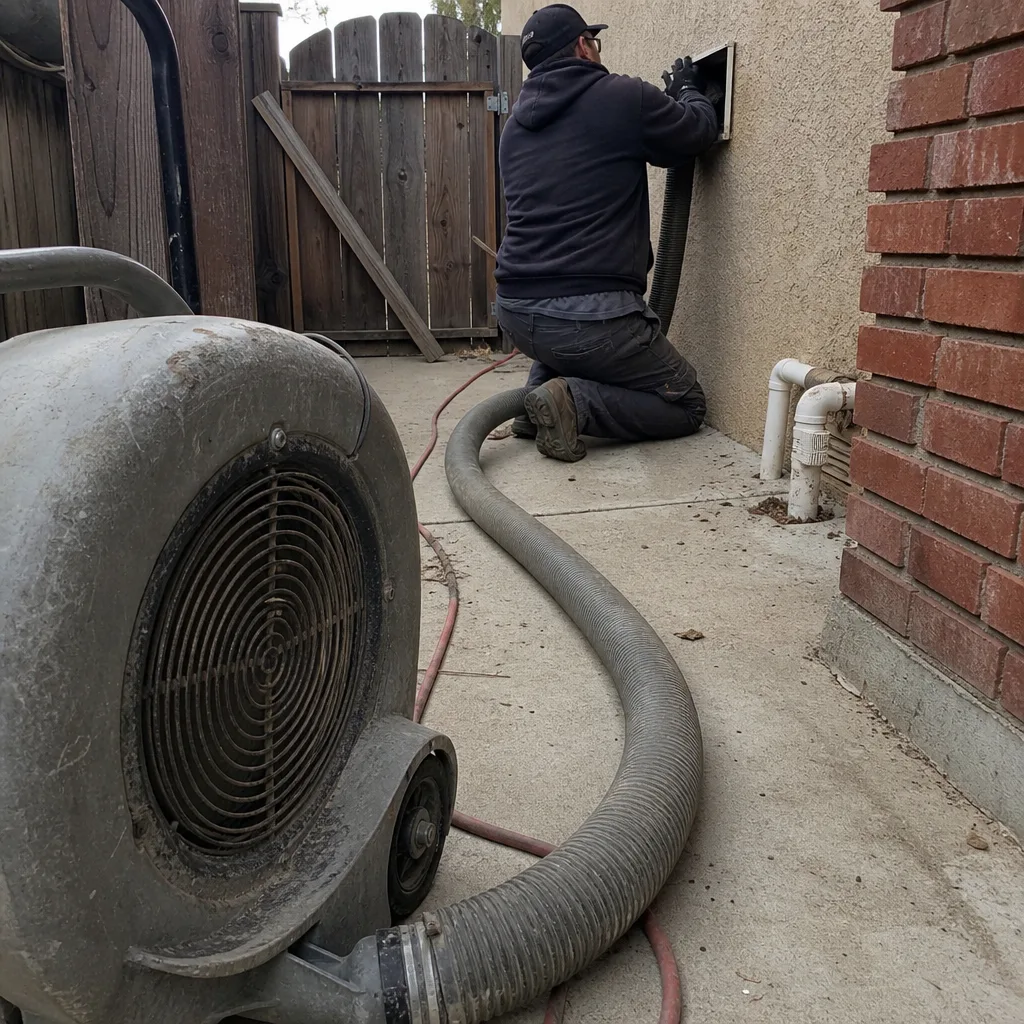 Before
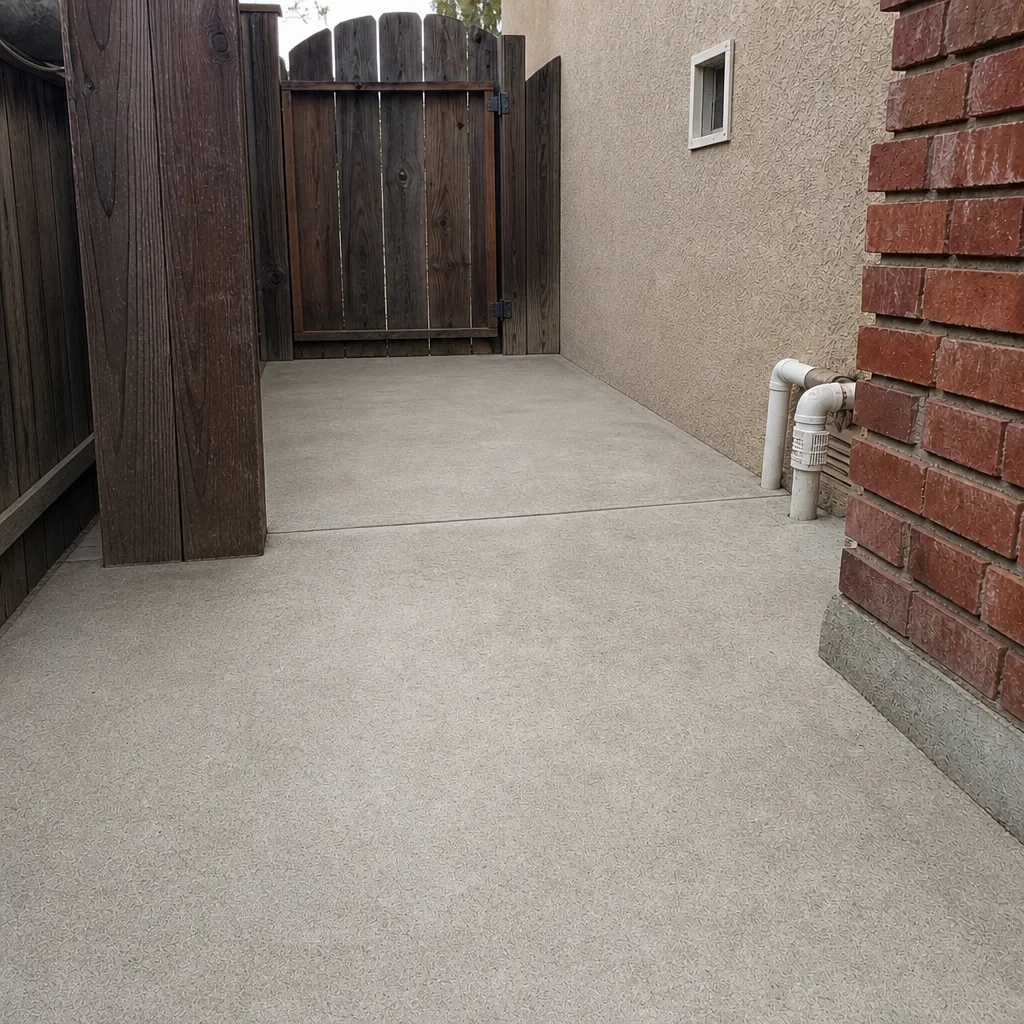 After
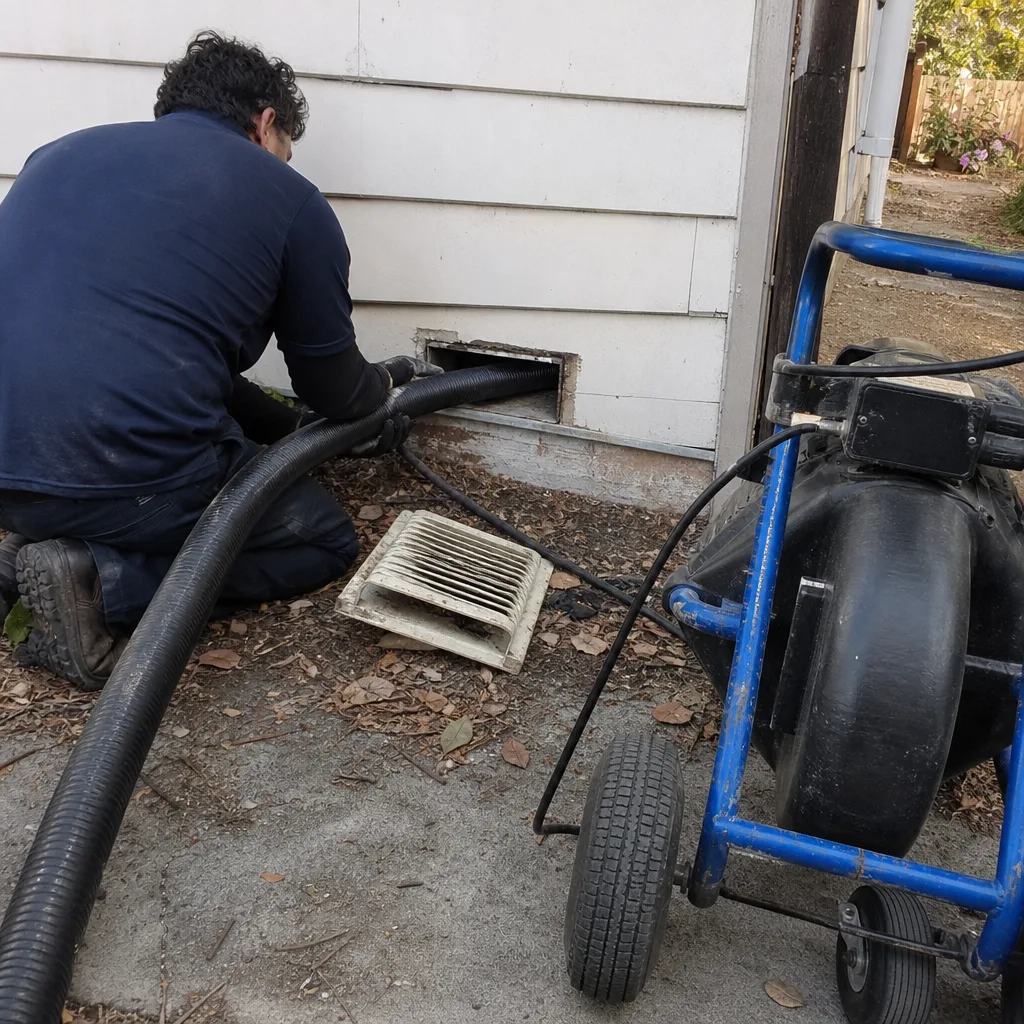 Before
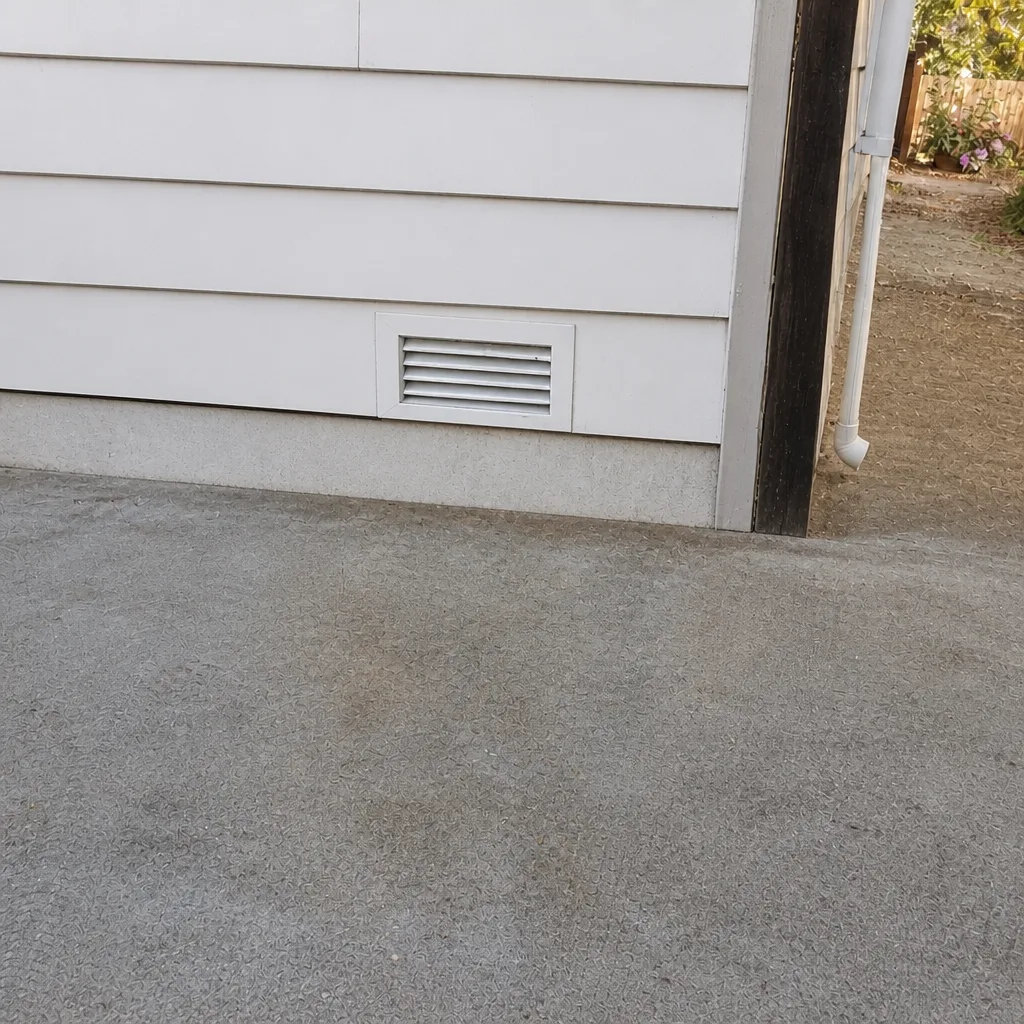 After
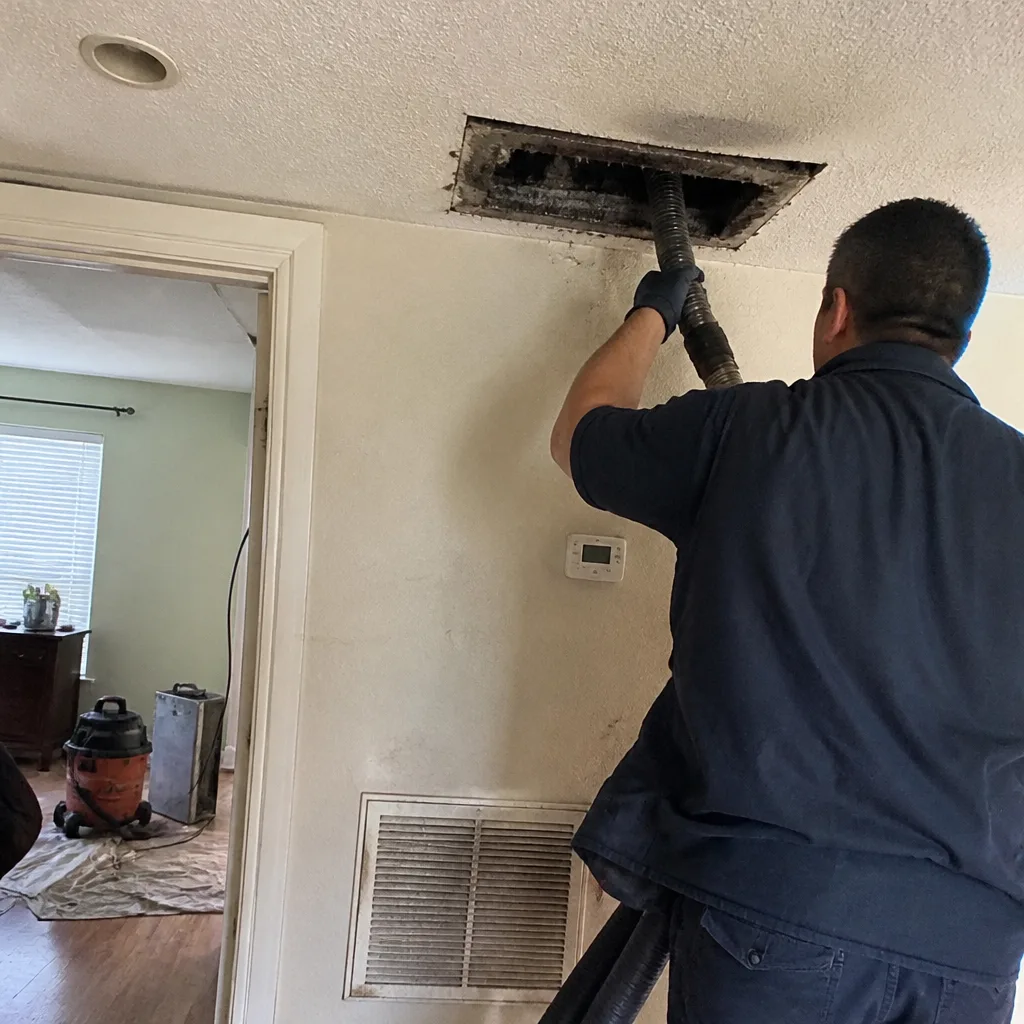 Before
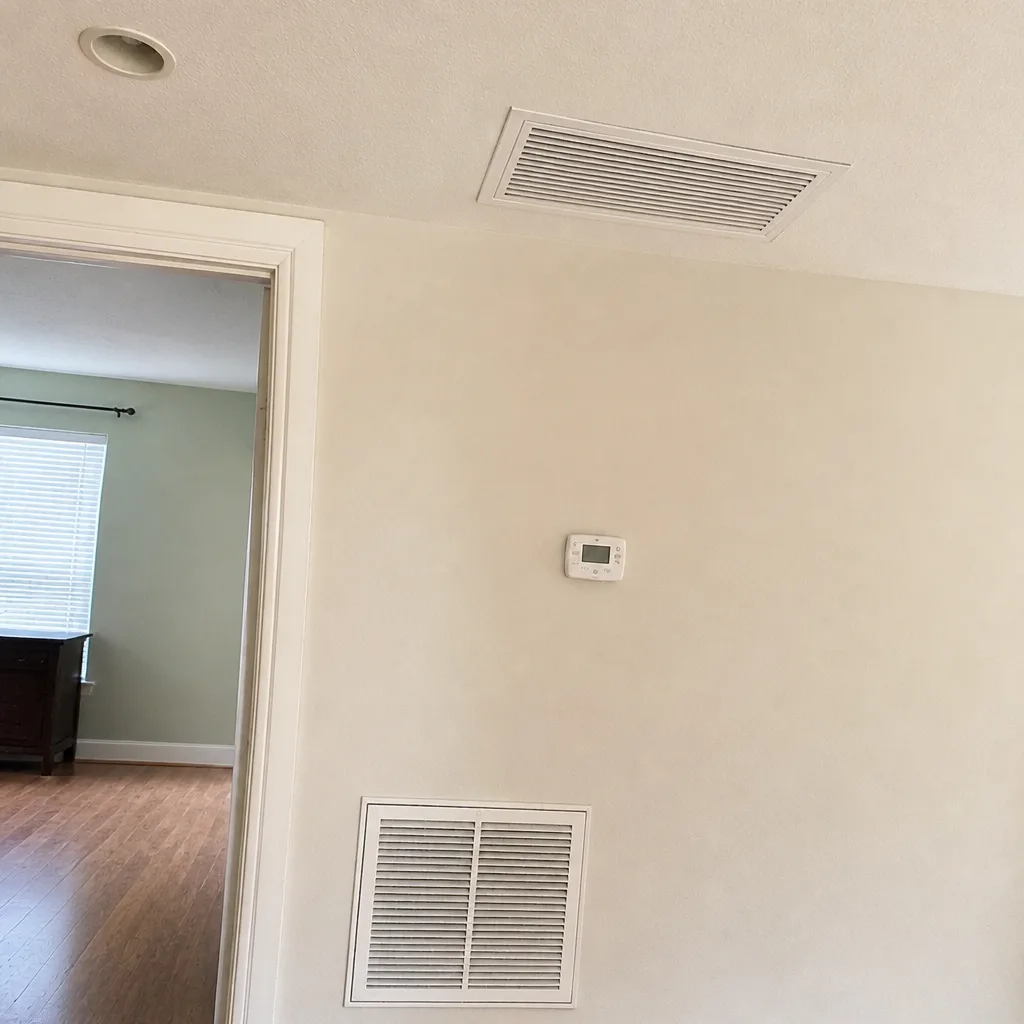 After
When to Call a Professional
Some duct issues show up loudly and some are quiet. Call a professional when a puff of dust comes out of the registers the moment the HVAC starts, when the system’s airflow feels weak in one or more rooms, when you’ve noticed visible debris at a supply register, or when the ducts are older and you don’t know their history. Call when you’re getting ready to run the system hard for the season and the filters are loading faster than they used to. And call when the dryer takes noticeably longer to dry a load, since that’s your first warning that the vent is loading up. None of those cases need a DIY attempt; they need a proper look with the right equipment.
Duct Cleaning Vacaville offers free estimates in Vacaville, and we can walk through your specific system over the phone. Call (888) 293-3839. We answer 24/7. Fast dispatch from 7am to 7pm, Sunday through Friday. Our technicians have up to 13 years of experience and use the commercial-grade equipment this guide describes, and pricing is one flat price per system agreed before work starts.
Frequently Asked Questions
The best choice is a contractor who uses commercial-grade equipment by name (Rotobrush, Nikro, Abatement Technologies), offers one flat price per system agreed before work starts, provides before-and-after photos from inside the trunk lines, and can repair duct damage they find. Company name recognition matters less than those four signals. Duct Cleaning Vacaville meets all of them and offers free estimates; call (888) 293-3839.
Air duct cleaning is priced per system, not per vent, and the honest figure is set by the written estimate after the system is assessed. Some quotes come in far lower because the contractor is running a teaser model that relies on add-ons once they’re inside, or because they’re using consumer-grade tools that don’t agitate the duct walls. A suspiciously low opening price tells you more about the business model than the job quality. Call (888) 293-3839 for an exact quote; estimates are free.
Ask for before-and-after photos from inside the main trunk lines, shot from the same spot and angle, plus any airflow measurement taken on entry and completion. A HEPA filter that’s visibly loaded after the job is also evidence the extraction did its work. Register photos alone prove very little. A contractor who provides job-specific documentation is showing you real work; ask for the same.
Yes, because there is no licensing standard that guarantees a minimum equipment quality in this trade. A Rotobrush rotary brush agitates the duct wall directly and scours debris loose; a wand on a vacuum only touches where it lands. Nikro extraction handles the volume; Abatement Technologies air scrubbers contain particulate during the job. Those are mechanically different operations, not cosmetic ones. Ask a contractor to name their equipment before you book.
Most homes in Vacaville benefit from a cleaning every three to five years, and sooner if you’ve had recent renovation, if the ducts are older, or if you notice dust puffs at the registers when the system starts. Homes with a lot of forced-air heating and cooling use in the hot, dry season may want to shorten that interval. If the ducts have never been cleaned, book sooner rather than later. Call (888) 293-3839 for a free assessment.
We handle three core services: dryer vent cleaning, air duct cleaning, and air duct repair. That full scope lets a homeowner resolve air-path issues in one visit rather than hunting down separate contractors. Dryer vent clearing is a fire-prevention service, not an afterthought. If you’ve been told you have crushed flex or a loose joint, we can address it. Call (888) 293-3839 to talk through the scope.
The Bottom Line
Choosing the right duct cleaning brand in Vacaville comes down to a short set of verifiable signals. Ask what equipment they use and expect specific names like Rotobrush, Nikro, and Abatement Technologies. Expect a written flat price per system before work starts, not a teaser figure that balloons. Expect before-and-after photos from inside the trunk lines, not just the registers. Expect full-scope capability, including duct repair and dryer vent clearing, so the air path gets closed out in one visit. The combination of named commercial equipment and honest pricing is what separates a technician-grade operation from a van with a vacuum. We meet all four, we offer free estimates, and we’d be glad to talk through your system. Call (888) 293-3839. We answer 24/7. Fast dispatch from 7am to 7pm, Sunday through Friday.
Written by the team at Duct Cleaning Vacaville.