
Last updated November 15, 2026
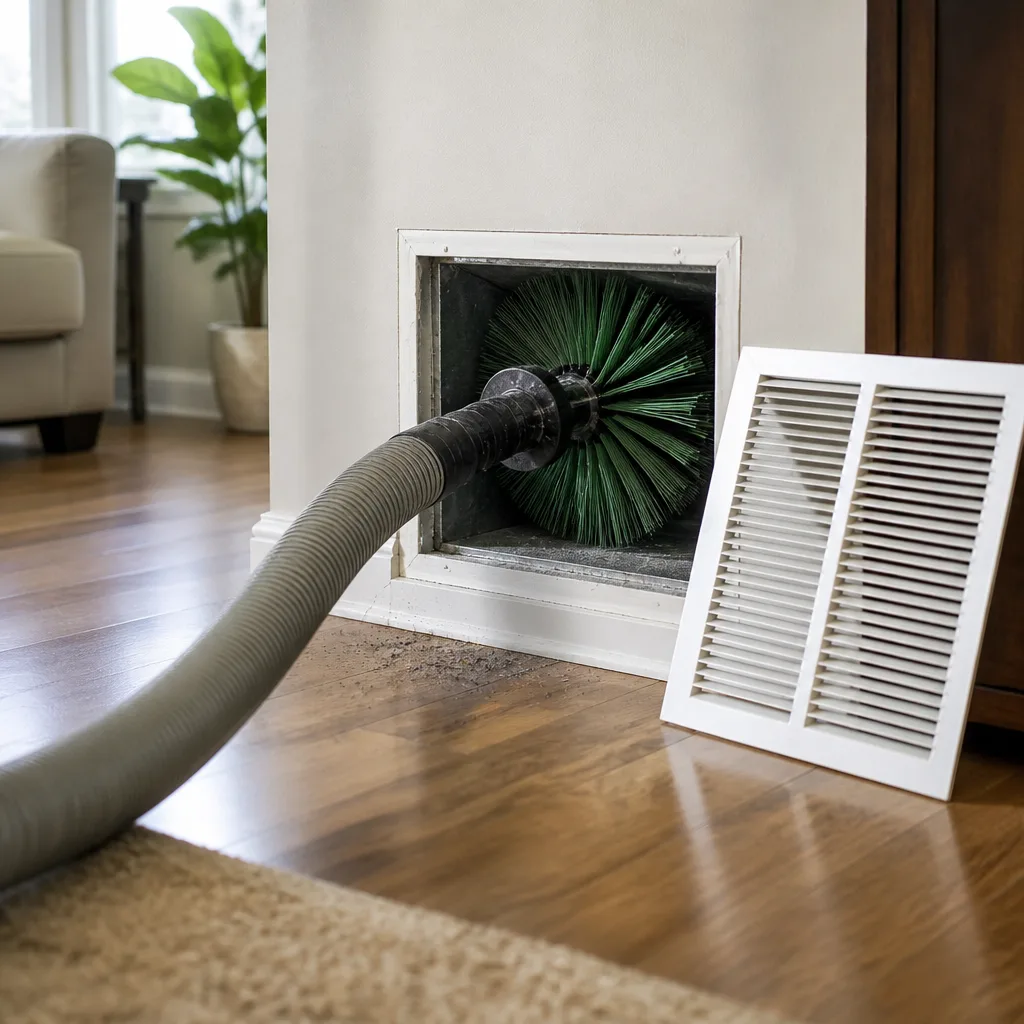 Whole-home duct cleaning
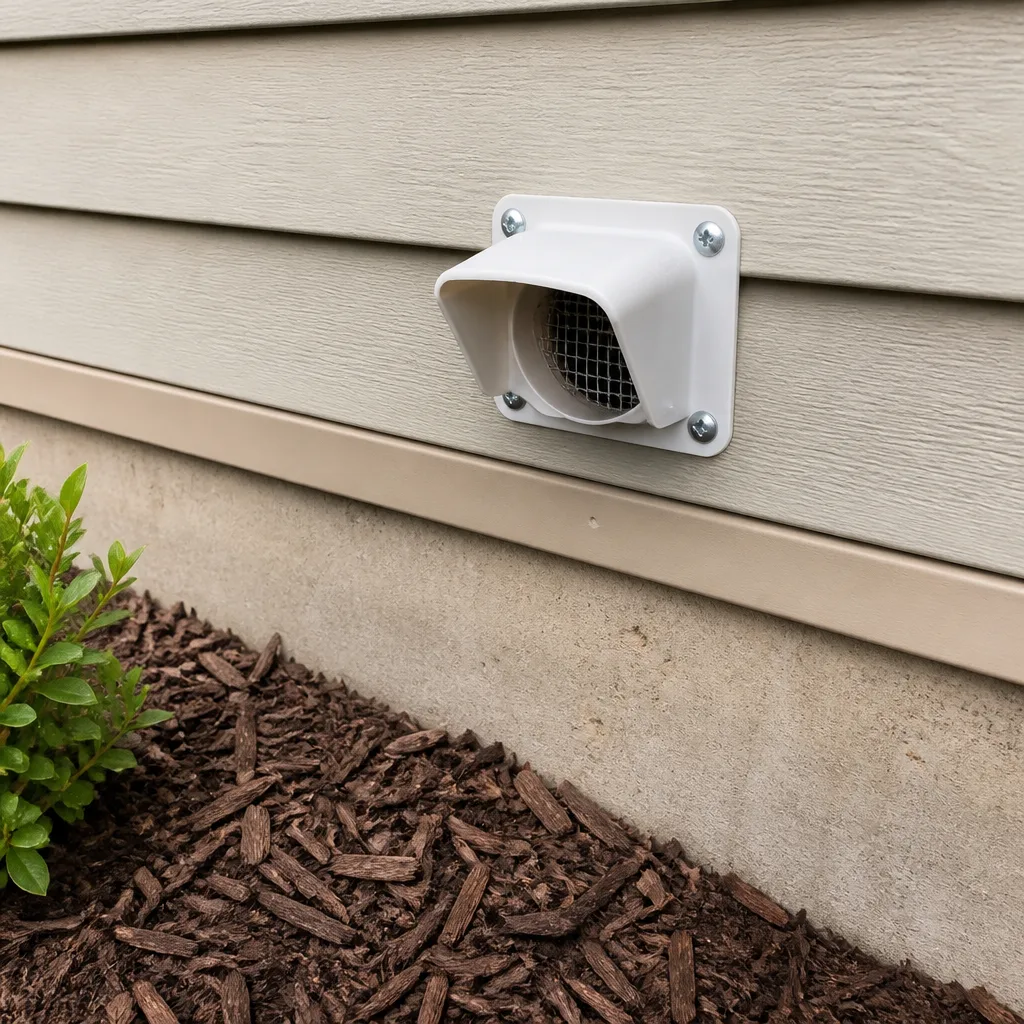 Dryer vent cleaning
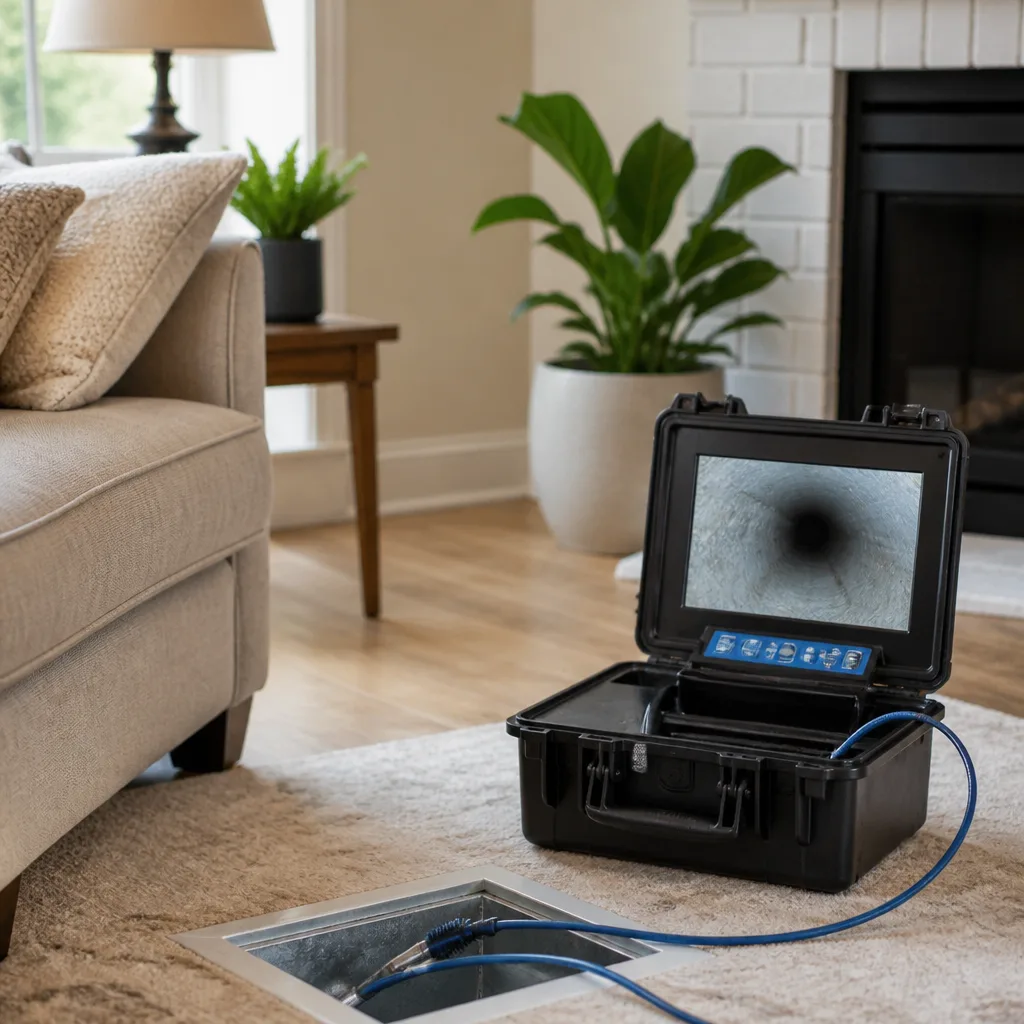 Camera inspection
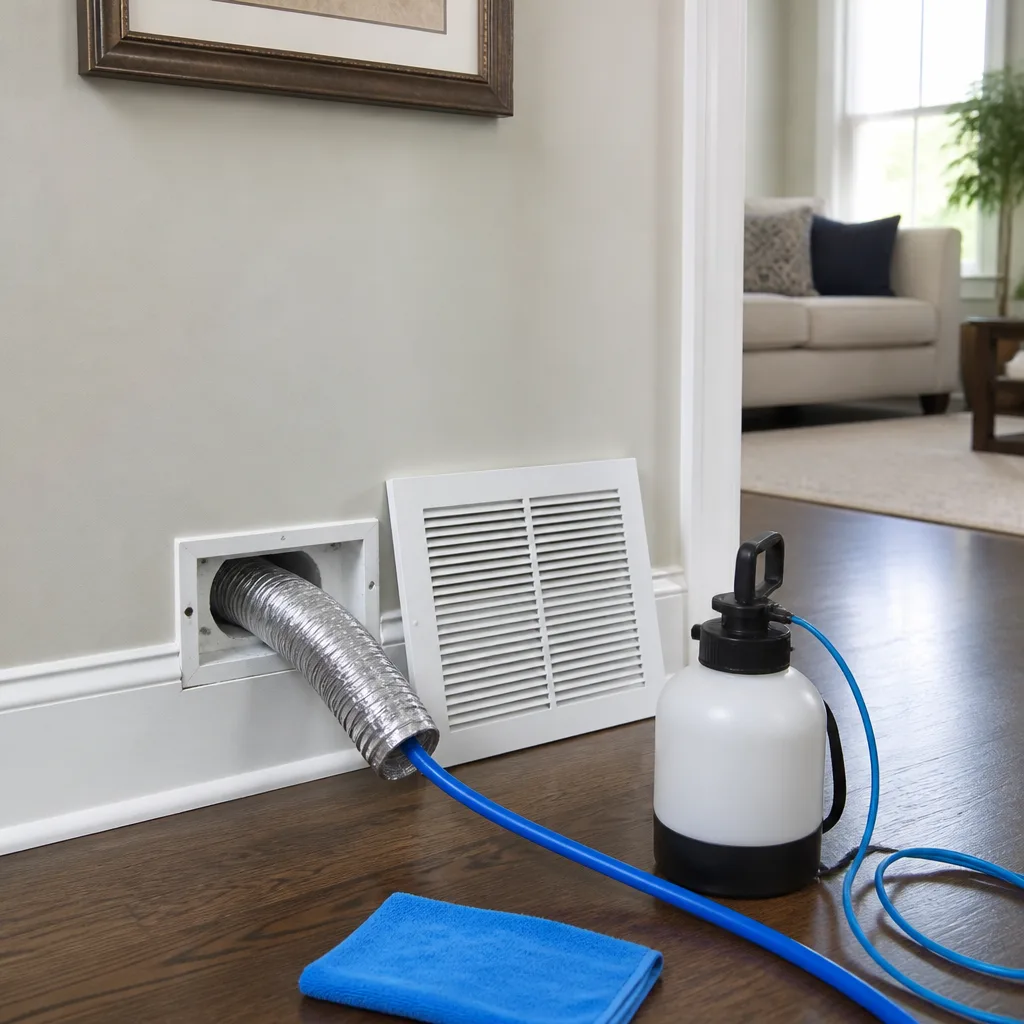 Sanitizing & deodorizing
Whole-system duct and dryer vent check with before-and-after photos - you see exactly what came out of your vents
That "$99 whole-house special" is a bait ad - the real number appears once they are in your hallway, or the "clean" is a shop-vac at the register. We photograph the inside of your ducts before and after instead.
Air Duct Cleaning Maintenance Schedule: What to Do and When
You’ve probably seen the advice floating around the internet: clean your air ducts every three to five years. It sounds tidy and official, and plenty of people treat it like gospel. But that number isn’t a prescription, and treating it like one means some Vacaville homes get cleaned too rarely while others pay for a service they didn’t need yet. The interval that actually fits your house depends on things nobody bothers to ask about: what your ductwork is made of, how many hours a year your air handler runs, what filter you’re using, and where in Vacaville you live. Here’s how to build a schedule around your real conditions instead of a rule of thumb.
Quick Answer
For most Vacaville homes, a full professional duct cleaning every three to five years is a reasonable baseline, but homes with high HVAC runtime in our hot summers, low-grade filters, or flexible ducting often need it closer to every two to three years. Homes near agricultural edges and the I-80 corridor accumulate more airborne particulate and should lean toward the shorter end, while homes with tightly filtered systems can often stretch the interval. The only way to know is to document each cleaning and adjust from there.
Styles & brands we work with
- Whole-home duct cleaning
- Dryer vent cleaning
- Camera inspection
- Sanitizing & deodorizing
Table of Contents
- Why the “Every 3-5 Years” Rule Falls Short
- How to Calculate Your System’s Air Cycles Per Year
- Filter MERV Rating as a Maintenance Variable
- Quarterly, Annual, and Multi-Year Tasks
- Why Location Within Vacaville Changes Your Baseline
- What to Document After Every Cleaning
- When Cleaning Turns Into Repair
- Building Your Actual Schedule
Why the “Every 3-5 Years” Rule Falls Short
The three-to-five-year guidance has been repeated so many times that most people assume it’s a settled standard. It isn’t. That figure traces back to general recommendations that predate the variable-speed air handlers now common in newer construction. Those systems run at lower speeds for longer stretches, which means far more total hours of air moving through your ductwork over the course of a year. A system that runs 60 percent more hours moves 60 percent more air, and that air carries dust, pollen, and whatever else is riding along.
So the question isn’t really “how often do ducts need cleaning.” It’s “how many times does my system cycle its full air volume, and how much material is that air carrying?” Those two numbers, plugged into your actual house, give you an interval that means something.
In Vacaville, this matters more than in a lot of places. Our summers are long and hot, and air handlers here log serious hours keeping homes comfortable from late spring into fall. A house in Vacaville that runs its system hard for six months has a very different dust-load profile than a house in a mild coastal climate where the system barely kicks on. The industry average doesn’t account for that. Your schedule should.
What we’ve learned from servicing homes across Vacaville is that the homes that get cleaned on a sensible interval have two things in common: they know their system’s runtime, and they keep records. The homes that end up with problems usually just never thought about it until something felt wrong. This guide is about being the first kind of homeowner.
Here’s the honest truth about intervals: there is no single right answer, and anyone who gives you one without asking about your duct material, filter, runtime, and location isn’t giving you a schedule. They’re giving you a sales pitch. We’d rather you understand your system than buy a cleaning you didn’t need.
How to Calculate Your System’s Air Cycles Per Year
An “air cycle” is one complete pass of your home’s total air volume through the duct system. If your system moves your home’s full air volume once per hour and runs 2,000 hours a year, that’s 2,000 air cycles. The more cycles, the more dust the ductwork accumulates. Here’s how to estimate yours without special equipment.
- Estimate your system runtime. In Vacaville’s climate, most homes run the air handler somewhere between 1,200 and 2,500 hours per year depending on thermostat habits and system type. Heating and cooling seasons both count.
- Note your system type. Standard single-speed systems cycle on and off. Variable-speed systems run longer at lower output, which usually means more total runtime hours even though they’re quieter.
- Rough-calculate cycles. Multiply runtime hours by your system’s air-changes-per-hour rate. A typical residential system exchanges the home’s air volume several times per hour during active operation.
- Compare to the baseline. A home at 1,200 runtime hours is your lower-runtime case. A home at 2,500 hours in a hot Vacaville summer is your high-runtime case and should lean toward a shorter cleaning interval.
The point isn’t precision to the decimal. It’s getting a rough picture of whether your system is a light user or a heavy one. A high-runtime home near the I-80 corridor and a low-runtime home in a shaded neighborhood can both be “three years” by the calendar, but the high-runtime house has moved far more air.
If you want a simpler proxy, look at your filter. A filter that loads up fast is telling you your system is moving a lot of air and capturing a lot of material, which points toward a shorter interval. A filter that stays clean for months points the other way. Your filter is a free diagnostic tool if you pay attention to it.
Filter MERV Rating as a Maintenance Variable
Your air filter is the first line of defense for your ductwork, and the rating on that filter directly affects how often you need professional cleaning. A MERV-8 pleated filter catches a lot of the larger particulate that would otherwise coat duct interiors. A cheap fiberglass filter catches almost nothing and lets the dust through to settle in your ducts. Upgrading filtration is one of the most cost-effective moves a Vacaville homeowner can make.
Here’s the nuance most people miss: you can’t just swap in the highest MERV rating you can find. Higher-MERV filters are denser, and denser filters restrict airflow. If your system wasn’t designed for that restriction, you can create problems: reduced airflow, higher static pressure, and a system that works harder and cools less effectively. So a filtration upgrade is a real maintenance lever, but it has to be done with a static pressure check first.
What that check involves:
- Measuring static pressure across the filter and the system to see whether there’s headroom for a denser filter.
- Confirming the filter slot size and depth so the replacement actually fits and seals.
- Checking that the return air path can handle the added restriction without starving the system.
- Confirming the filter you choose is rated for your specific air handler.
When the numbers work, a MERV-11 filter can legitimately extend your professional cleaning interval because it’s capturing a much larger share of the particulate before it reaches the ducts. We work with Honeywell and Aprilaire filtration systems regularly, and both make it easier to run higher-efficiency filtration without choking the system, because they’re engineered with the airflow and pressure requirements in mind. If you’re upgrading filtration to stretch your cleaning interval, that’s the right way to do it.
One more thing: don’t assume a higher MERV is always better. If your system is already near its static pressure limit, a MERV-11 filter can actually harm performance. Get the pressure checked before you upgrade. That’s the difference between maintenance and a costly mistake.
Quarterly, Annual, and Multi-Year Tasks
One of the reasons duct maintenance feels confusing is that the tasks live on different timelines, and people mix them up. Here’s a clean separation so nothing overlaps and nothing gets dropped.
Quarterly tasks (you do these)
- Inspect your air filter and replace or clean it according to its type and your system’s runtime.
- Clear the area around your return grilles and supply registers so airflow isn’t blocked by furniture or rugs.
- Wipe down return grille faces, which collect visible dust faster than the ducts themselves.
- Check your dryer vent lint trap area for buildup; this task connects to your dryer vent cleaning schedule and is a genuine safety matter.
Annual tasks (you do or schedule these)
- Inspect visible ductwork in accessible areas for disconnected joints, crushed sections, or visible debris.
- Look at the dryer vent exterior termination for lint accumulation or blockage.
- Note any change in airflow from specific registers, which can signal a developing problem.
- Review your documentation from the last professional cleaning to see if your interval is due.
Every 2-5 years (professional tasks)
- Full professional duct cleaning with rotary contact equipment, adjusted to your runtime and location.
- Professional dryer vent cleaning if you haven’t had it done.
- Inspection and repair of any duct damage found during cleaning.
- Re-assessment of your filter strategy and any air quality system integration.
Keeping these timelines separate is genuinely useful. The quarterly filter check prevents the duct buildup that makes the professional cleaning more urgent. The annual walk-through catches small problems before they become expensive ones. The professional cycle is your reset point. When all three are happening, you’re not guessing anymore.
If you want the full professional version of that multi-year task, our air duct cleaning service covers the rotary brush work and inspection that resets the clock. The quarterly and annual tasks above are yours to own, and that’s the honest split.
Why Location Within Vacaville Changes Your Baseline
Vacaville isn’t one uniform environment, and a schedule that fits a tract home near the town center may be wrong for a house on the rural edge. Two factors dominate: agricultural particulate and roadway exposure.
Homes near the agricultural edges, along the Leisure Town corridor and the rural routes off Vaca Valley Parkway, sit downwind of working fields. Depending on the season and the crop cycle, that means measurable particulate in the air, from dust to pollen to material kicked up by field work. A home on that edge can accumulate duct debris noticeably faster than a home surrounded by pavement and landscaping. If your house sits there, your baseline should be shorter, closer to the two-to-three-year range.
The I-80 corridor brings its own load. Homes near the freeway take in roadway particulate, tire and brake dust, and the fine material that traffic generates. That fine material is exactly the size that gets past cheap filters and settles in duct interiors. Again, shorter baseline.
Homes in the interior neighborhoods near the town center usually have less of both, and if they’re running decent filtration, they can comfortably sit at the longer end of the range. Lot orientation and prevailing air movement matter too, but those are refinements; the geography is the big lever.
The practical takeaway: when you build your schedule, factor in where you are in Vacaville, not just how old your house is. A newer home near the town center and a newer home off Vaca Valley Parkway can have very different dust-load profiles. The house tells you its story if you know what to look for.
What to Document After Every Cleaning
The difference between a schedule and a guess is documentation. After every professional cleaning, you should have a record that lets you make the next interval decision on data rather than a feeling. Here’s what to capture.
- Date and runtime estimate. Note the date and a rough estimate of your system’s runtime hours over the prior period.
- Condition findings. Whatever the technician noted about buildup levels, any hot spots, and the general state of the ductwork.
- Photographs. Before-and-after photos of your own ducts are the single most useful piece of documentation. They let you see what was actually removed and compare it to the next cleaning.
- Filter log. Which filter you were running and how often you changed it. This connects directly to the MERV discussion above.
- Repair or repair-adjacent findings. Anything flagged as needing attention, whether or not it was addressed on the same visit.
Before-and-after photos matter for a reason beyond recordkeeping. The duct cleaning trade has earned real skepticism because of bait-and-switch pricing, so asking to see what came out of your own system is a reasonable request. When you have photos from the last cleaning, you can compare the new photos and see whether buildup is actually progressing faster or slower than expected. That’s how you shorten or extend your interval based on evidence.
We use professional-grade equipment for the work itself – Rotobrush rotary contact systems and Nikro HVAC cleaning units, with Abatement Technologies air filtration for containment – and we document with photos so the record exists. But the documentation discipline is yours to keep. We recommend keeping a simple folder, physical or digital, with the date, the photos, and a note on the filter. That file is your maintenance schedule, written in your own home’s data.
When Cleaning Turns Into Repair
Cleaning and repair aren’t the same job, but they often show up together. During a cleaning, technicians sometimes find disconnected joints, crushed flexible sections, or torn duct seams that have been leaking air into unconditioned space. Those findings matter because a leaking duct system means you’re paying to heat or cool air that never reaches the room.
What we’ve seen across Vacaville homes is that repair findings are common in older flex duct installations and in systems that have been moved or modified. A person can’t fix what a cleaner only flags, which is why we offer air duct repair alongside cleaning. The cleaning resets the system; the repair closes the loop. Doing both in one visit is usually the sensible approach, because the system is already opened up and the technician already knows the layout.
A few repair findings that are worth addressing rather than ignoring:
- Disconnected or separated duct joints that leak into attics or crawl spaces.
- Crushed or kinked flexible ducting that restricts airflow to a room.
- Torn or degraded duct insulation that lets heat escape.
- Contaminated sections where debris has collected at a low point or a dead-end run.
If your cleaning turns up any of these, the repair work belongs in the same conversation as the cleaning interval. A leaking system loads up faster in the areas it serves, so the repair actually changes your maintenance math. Fix the leak and the dust burden drops. That’s a good reason to address repair findings promptly rather than scheduling them for “someday.”
Building Your Actual Schedule
Now put it together. A schedule built for your Vacaville home takes five inputs and produces an interval. Here’s the process.
- Estimate your runtime. Use the method from earlier. High-runtime homes lean shorter.
- Note your filter grade. A proper filtration setup with a static-pressure check extends the interval; a fiberglass filter shortens it.
- Factor your location. Agricultural edges and the I-80 corridor get the shorter baseline; interior neighborhoods can stretch.
- Review your documentation. If prior cleanings showed rapid accumulation, move the next one up.
- Schedule the next cleaning based on the result. A high-runtime, low-filtration, edge-of-town home might land at two years. A tight, well-filtered, interior home might land at five. Most Vacaville homes land somewhere in the three-to-four-year range.
The dryer vent is its own schedule and deserves separate attention. Dryer vent buildup is a documented fire risk, and it’s not a task you can defer on a multi-year timeline the way you might with ducts. It’s worth a professional check on its own cycle, and it’s part of our dryer vent cleaning scope. A house with a full professional schedule that included ducts but never the dryer vent has an incomplete plan.
Once your schedule is set, revisit it every few years. Systems change, filters change, and so do neighborhoods. The house’s dust profile isn’t static, and your interval shouldn’t be either. Build the schedule, run it, then let the data tell you when to adjust.
Common Mistakes to Avoid
- Treating three to five years as gospel. It’s a starting point, not a prescription. A high-runtime Vacaville home with cheap filters and a location near the fields or freeway can clearly need a shorter interval, and following the rule blindly will leave it overdue.
- Upgrading to a high-MERV filter without a static pressure check. The filter that captures more debris can also starve your system of airflow. Check the pressure first, or the filter upgrade can do more harm than good.
- Skipping documentation. If you don’t keep before-and-after photos and notes, you’ll never know whether your interval is right. You’ll be guessing every time.
- Getting ducts cleaned without addressing repair findings. A system with leaking or disconnected ducts loads up faster. Cleaning without repair means you’ll be back sooner than you want to be.
- Treating the dryer vent as an afterthought. The dryer vent is a fire-prevention concern, and it’s ignored more than any other part of the household air path. Don’t let a duct cleaning schedule become an excuse to skip it.
- Assuming a coupon cleaning is the same service. A low headline price often becomes a much larger invoice once the technician is on site, and the work itself may be done with consumer-grade tools. Insist on a flat price agreed before any work begins, and ask for before-and-after photos.
See the difference
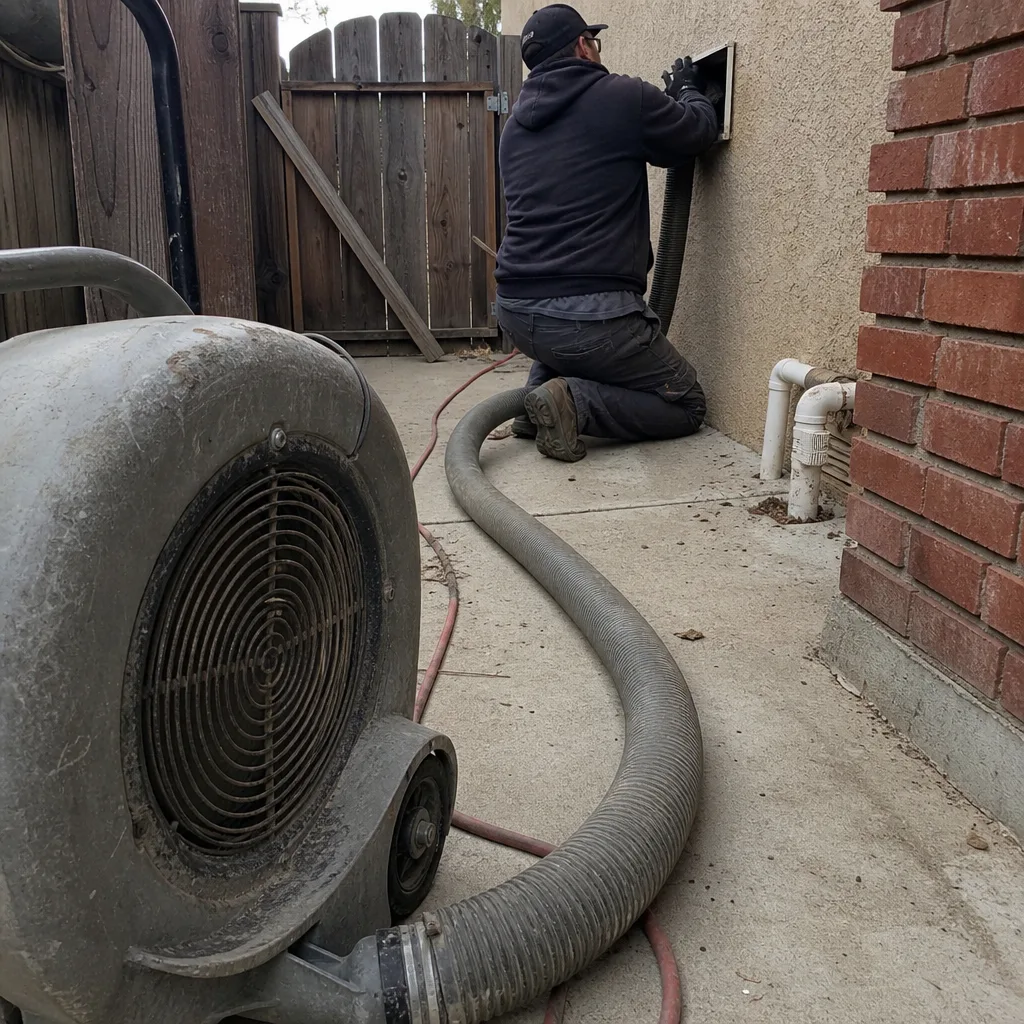 Before
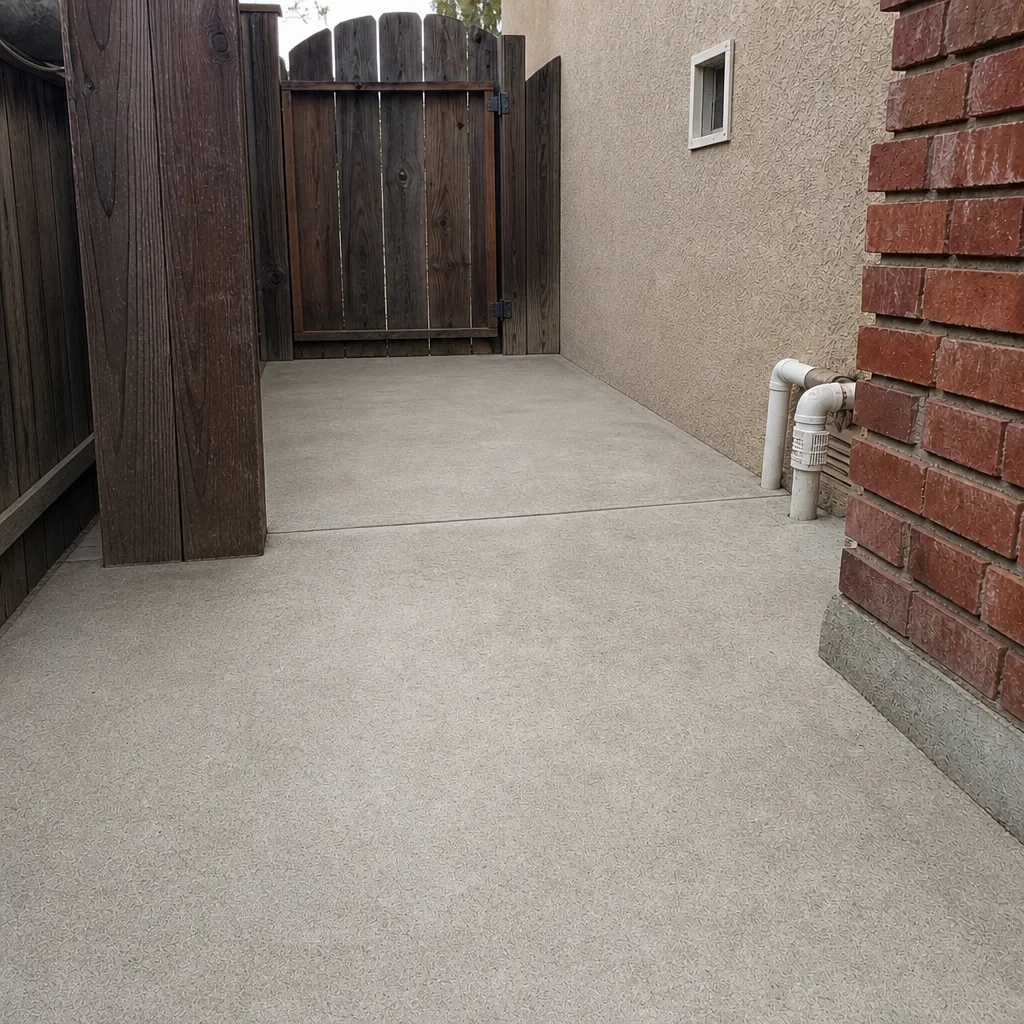 After
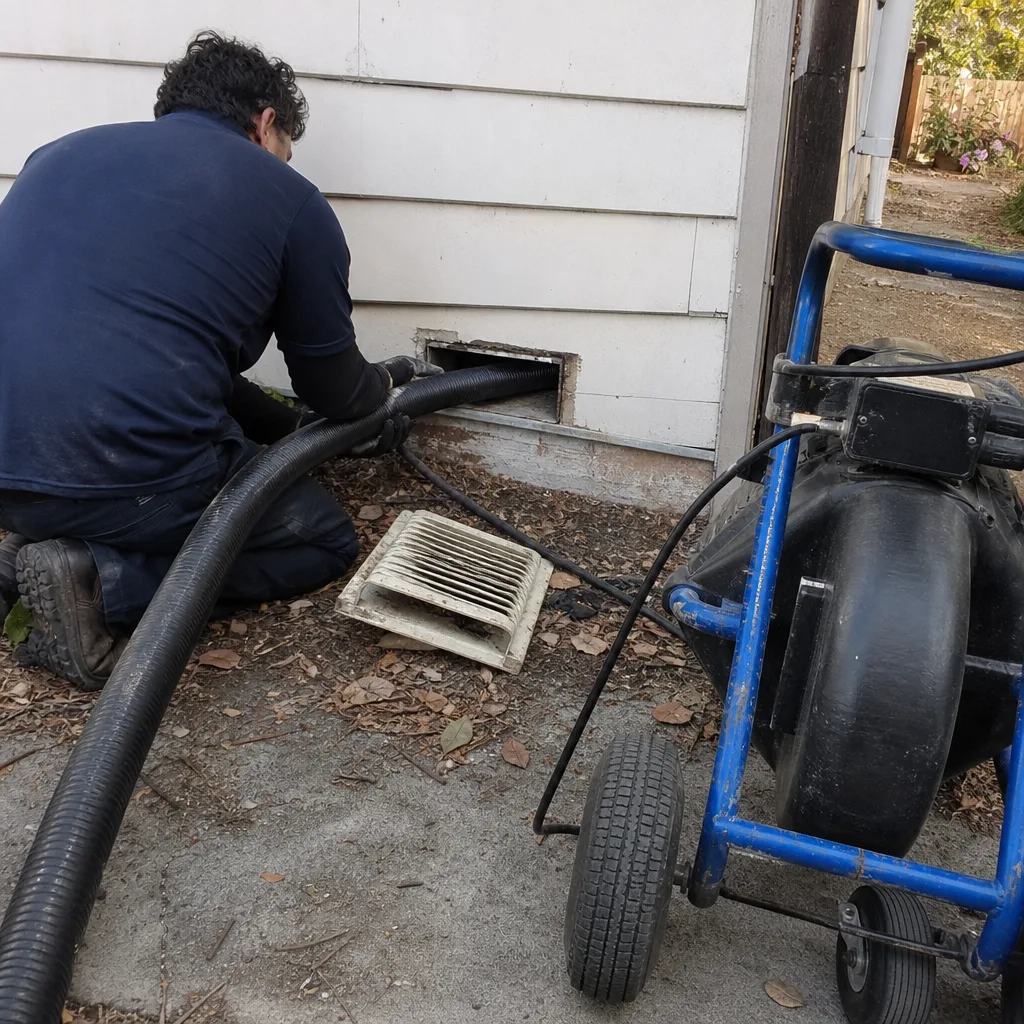 Before
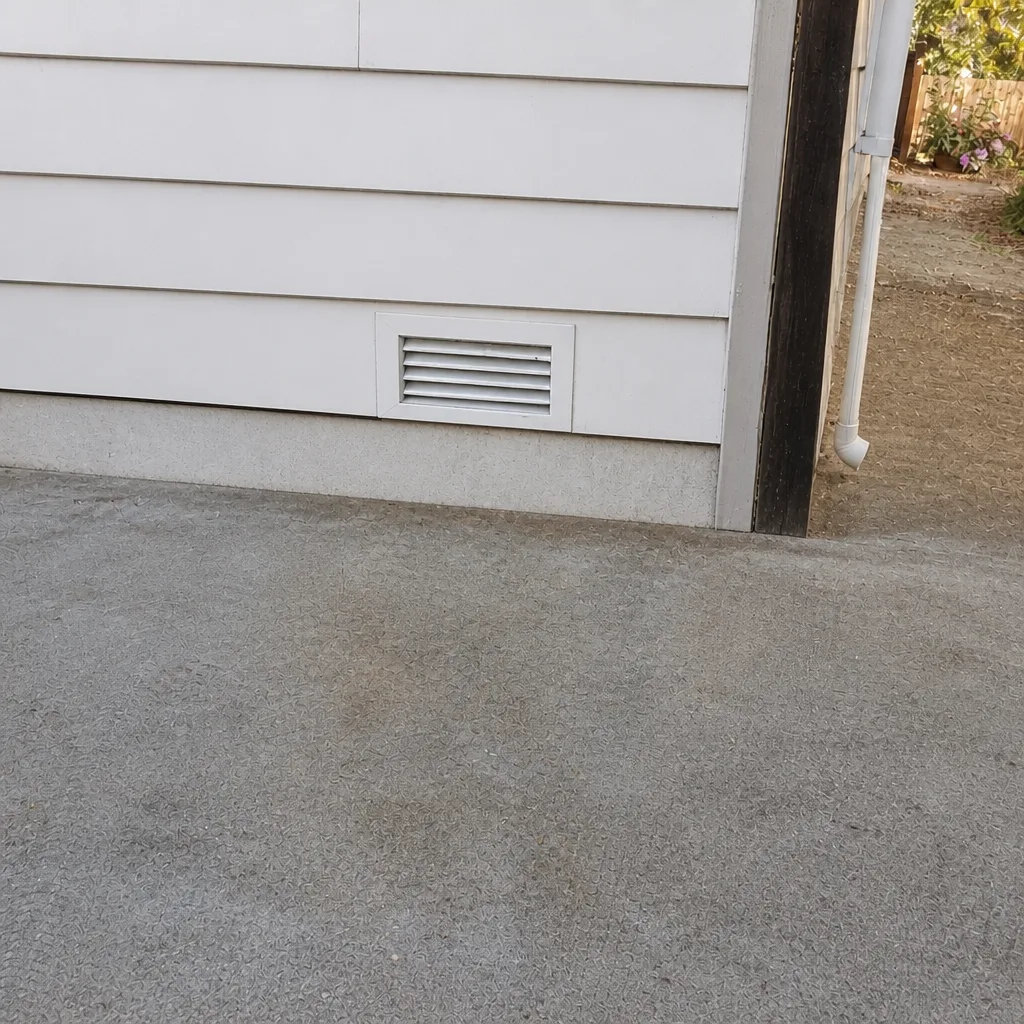 After
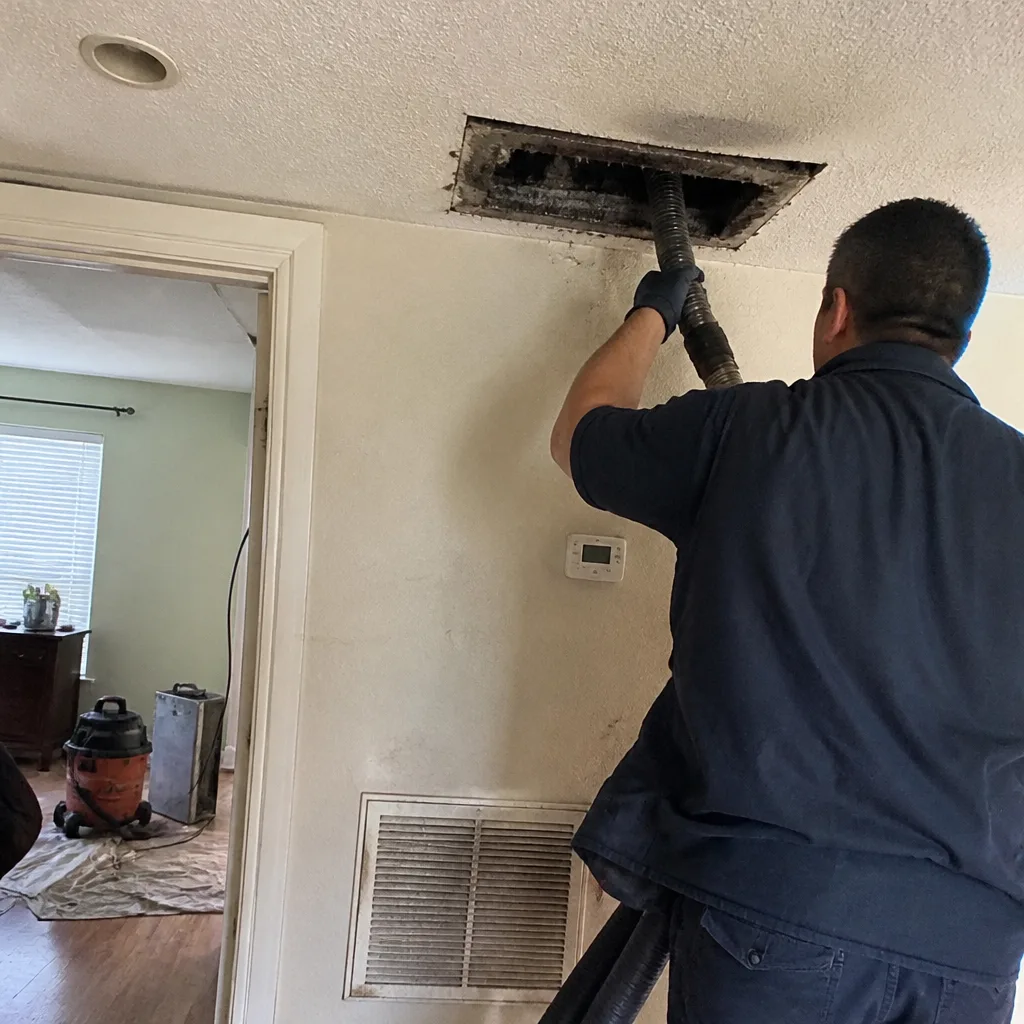 Before
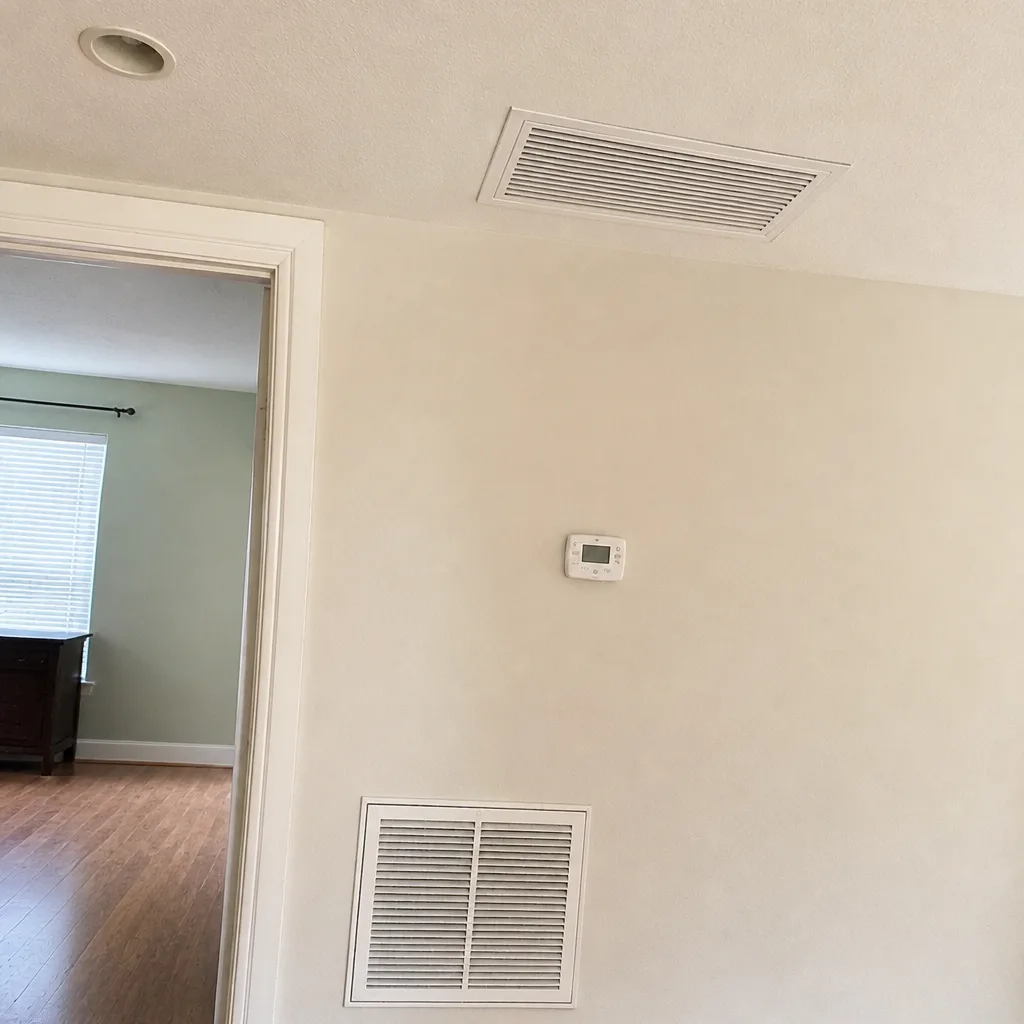 After
When to Call a Professional
Some situations should move you past the schedule and straight to a professional. Visible debris blowing from a register, a persistent musty odor from the ducts, or a filter that clogs far faster than it used to are all signals that a cleaning or inspection is due now. The same goes for a home that has just been through renovation or major dust-generating work, and for any home where you haven’t had the ducts cleaned since you moved in and don’t have a record. The dryer vent is its own trigger: if you can’t remember the last time it was cleared, it’s worth a professional look, because that’s a fire-prevention matter. We work with professional-grade equipment including Rotobrush and Nikro systems and offer air duct repair alongside cleaning, so a single visit can cover both. Duct Cleaning Vacaville offers free estimates in Vacaville. Call (888) 293-3839. We answer 24/7, with fast dispatch from 7am to 7pm, Sunday through Friday.
Frequently Asked Questions
Most Vacaville homes should have a professional duct cleaning every three to five years, but the right interval depends on your system’s runtime, filter grade, duct material, and location. Homes with high runtime in our hot summers, low-grade filters, or a location near the agricultural edges or the I-80 corridor should lean toward every two to three years. Homes with tight filtration and low runtime can often stretch. For an exact recommendation, call (888) 293-3839 for a free estimate.
Pricing should be per job, agreed in a written estimate before any work begins, not a coupon figure that grows on site. Honest quotes give whole-system ranges, never a per-vent price. Ask for the total for your system and get it in writing. Call (888) 293-3839 for an exact, free estimate.
Low quotes are usually teaser prices that expand once the technician is on site, or they cover work done with consumer-grade tools rather than professional rotary equipment. A flat, whole-system price agreed in advance is the real comparison. Call (888) 293-3839 to get an honest quote for your home.
Ask for before-and-after photos of your own ducts, and keep them. Photos of the duct interiors before and after cleaning show what was removed, which is the verification to insist on. Call (888) 293-3839 to book a visit and get documentation with it.
Yes, a properly rated filter catches much more particulate before it settles in the ducts, which can legitimately extend your interval. But the upgrade needs a static pressure check first, because a filter that restricts airflow too much can hurt your system. Call (888) 293-3839 to discuss the right filter setup for your system.
The dryer vent deserves its own attention rather than riding along on the duct schedule, because lint buildup is a documented fire risk. If you can’t remember the last time yours was cleared, treat it as due now rather than guessing. Call (888) 293-3839 to schedule a professional dryer vent check.
The Bottom Line
The right duct cleaning interval for your Vacaville home isn’t a number you get from a general recommendation; it’s a number you build from your own conditions. Estimate your runtime, upgrade filtration responsibly, factor in where you live in Vacaville, and document every cleaning so the next interval is a decision, not a guess. Keep the quarterly and annual tasks separate from the multi-year professional cycle, and don’t let the dryer vent fall off the plan. Need a professional cleaning and a free estimate to set your baseline? Visit our Duct Cleaning Vacaville homepage to get started, or call (888) 293-3839. We answer 24/7, with fast dispatch from 7am to 7pm, Sunday through Friday.
Written by the team at Duct Cleaning Vacaville.