
Last updated November 15, 2026
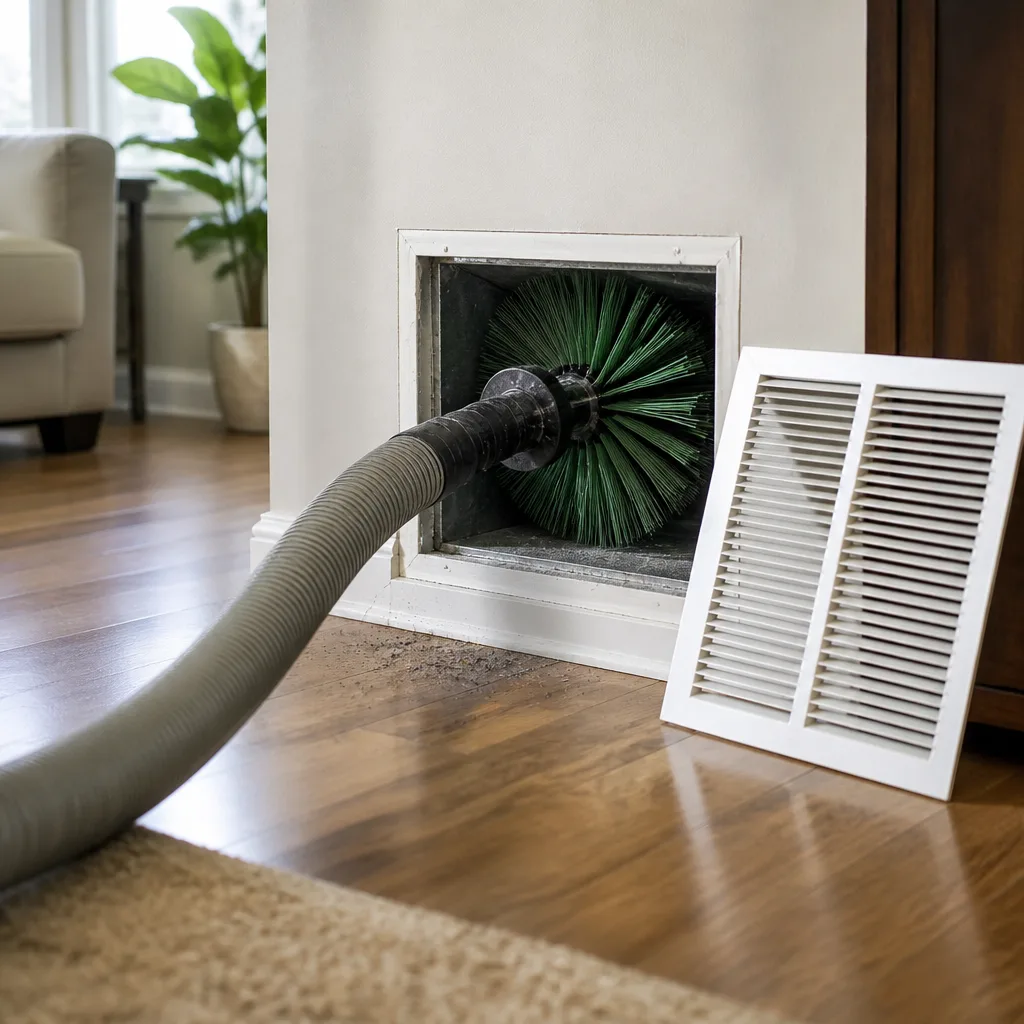 Whole-home duct cleaning
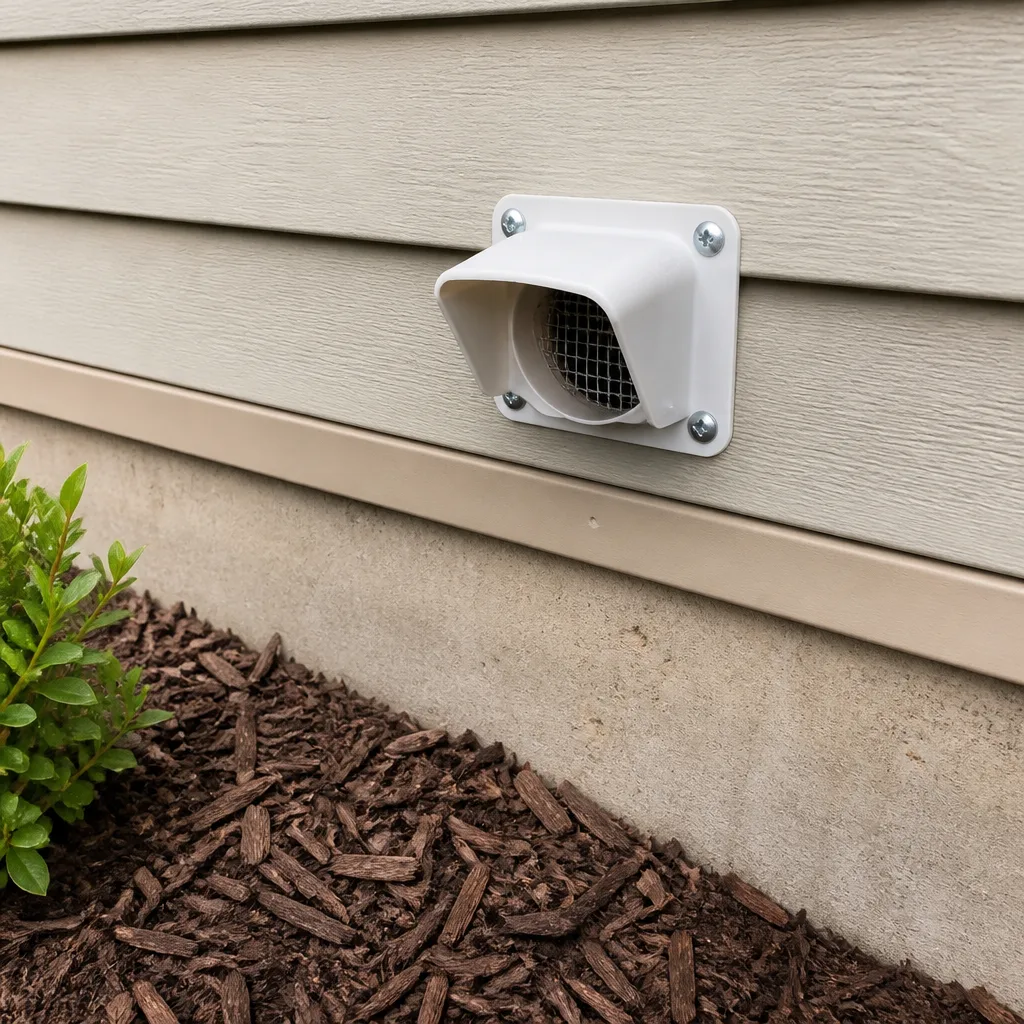 Dryer vent cleaning
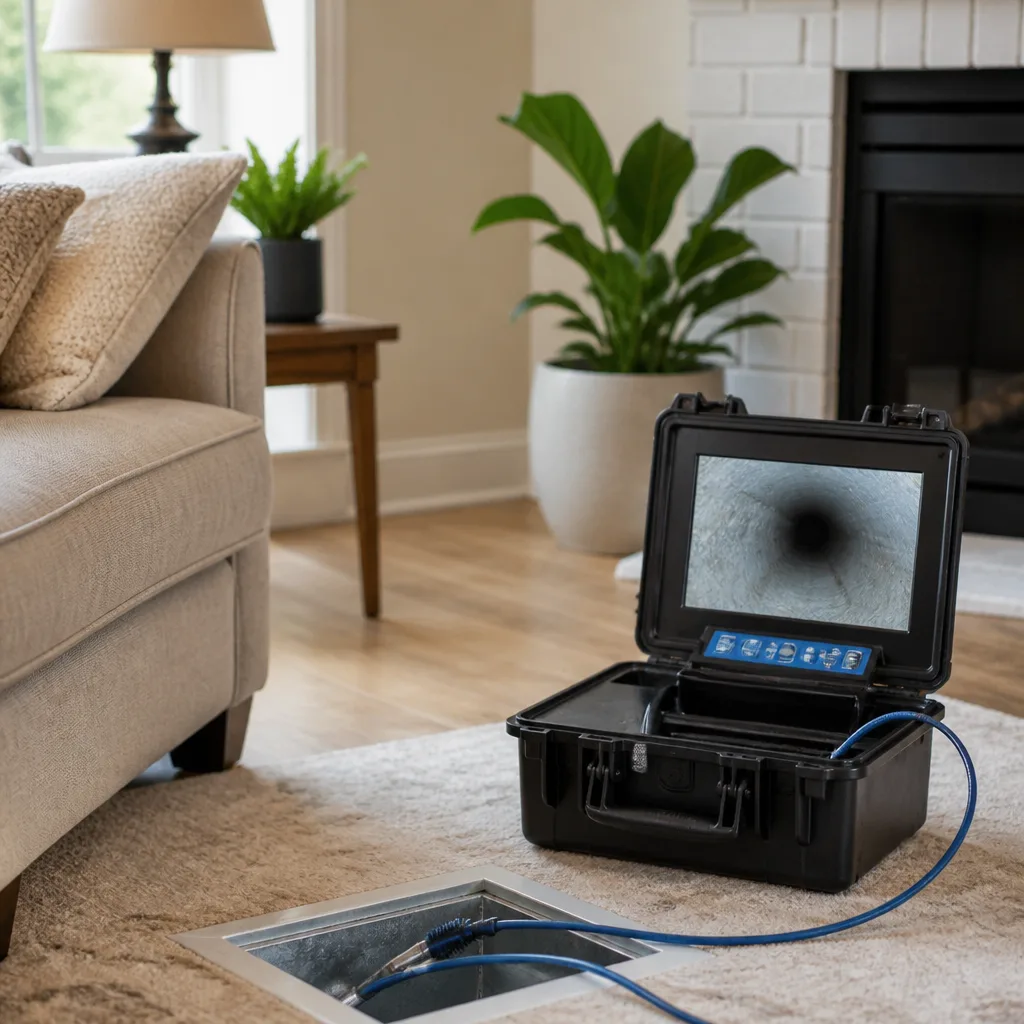 Camera inspection
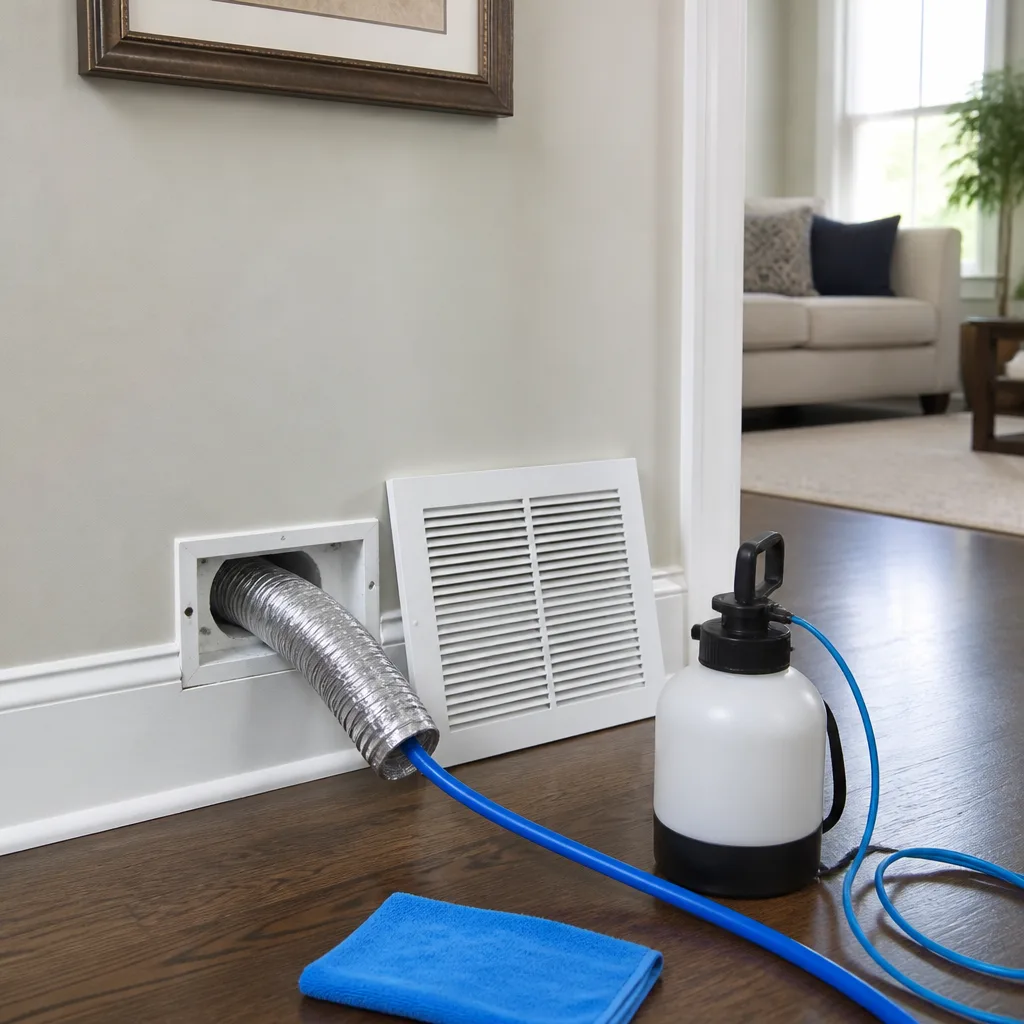 Sanitizing & deodorizing
Whole-system duct and dryer vent check with before-and-after photos - you see exactly what came out of your vents
That "$99 whole-house special" is a bait ad - the real number appears once they are in your hallway, or the "clean" is a shop-vac at the register. We photograph the inside of your ducts before and after instead.
DIY vs Professional Air Duct Cleaning: The Vacaville Homeowner’s Decision Guide
You can rent a shop vac, buy a dryer duct brush kit, and spend a Saturday morning at this. Your registers will look cleaner when you’re done. The debris you dislodged, though, settles a few feet further into the duct trunk line, past the point where your filter can reach it, and you’ve moved the problem rather than solved it. That’s the part nobody explains before you start. This guide gets into the actual physics of duct cleaning – source removal, negative pressure, airflow ratings – and lays out what a Vacaville homeowner can genuinely maintain alone, where DIY actively makes conditions worse, and where the equipment gap is simply too wide to close with rental tools.
Quick Answer
Professional air duct cleaning removes debris from the source using equipment that pulls the duct system into negative pressure while it scrubs – a commercial vacuum with enough airflow to hold that pressure, paired with rotary contact tools. Consumer and rental tools can’t reach that airflow threshold, so DIY cleaning moves dust from visible places into hidden ones instead of extracting it. The honest split: homeowners can and should manage filters, registers, and return grilles themselves; anything past the register boot is a professional job.
Styles & brands we work with
- Whole-home duct cleaning
- Dryer vent cleaning
- Camera inspection
- Sanitizing & deodorizing
Table of Contents
- The Physics of Source Removal: Why Negative Pressure Is the Whole Game
- What You Can Genuinely Maintain Yourself in a Vacaville Home
- When DIY Attempts Make Vacaville Duct Problems Worse
- Rental Equipment Reality Check: What the Hardware Store Actually Has
- The Honest Cost Comparison: DIY Plus Time Versus One Professional Job
- Signs Your Ducts Need More Than Surface Cleaning
- How to Vet a Duct Cleaning Company in Vacaville
The Physics of Source Removal: Why Negative Pressure Is the Whole Game
Air duct cleaning has a technical name in the trade: source removal. The point is to pull debris out of the system at the point where it accumulated, not to brush it loose and hope for the best. That distinction is purely mechanical. It comes down to whether your vacuum can move enough air to hold the inside of the ducts at negative pressure relative to the room.
Negative pressure means the air pressure inside the duct is lower than the air pressure in the room. When that happens, any dust you disturb gets pulled toward the vacuum, not out into your living space. Lose the pressure, and every brush stroke creates a small aerosol cloud that drifts wherever the room’s air currents take it. Your breathing air.
Holding negative pressure while you work isn’t a matter of a stronger motor in a shop vac. It’s a matter of volumetric airflow – the cubic feet per minute, or CFM, a vacuum can sustain against duct resistance. As a vacuum pulls through a sealed duct run, the pressure drop fights the airflow. A machine rated for a few hundred CFM at open air may sustain only a fraction of that when connected to a 40-foot duct trunk. The professional units we use are built to hold the number, not just hit it in a spec sheet.
That’s why commercial cleaning setups combine two elements that never appear together in consumer gear:
- A high-CFM negative air machine parked at the main trunk or plenum, sealed to the system so the entire duct network stays under vacuum during the cleaning pass.
- A rotary contact tool – the industry-standard example is the Rotobrush system – that scrubs duct walls from the inside with flexible whip lines, sending the loosened material downstream toward the vacuum rather than into the room.
Abatement Technologies air scrubbers add a third layer during jobs where airborne contamination is heavy: filtration at the exhaust side, so what does get picked up is captured, not exhausted into the return air. That’s remediation-level containment, not a step most residential services bother with. It’s also why a proper Vacaville duct cleaning takes hours, not twenty minutes with a flashlight and a hose.
What You Can Genuinely Maintain Yourself in a Vacaville Home
None of the above means homeowners shouldn’t touch their HVAC system. There’s real, meaningful maintenance you can do yourself, and doing it well extends the interval before you need professional cleaning. Here’s the list we’d hand a new Vacaville homeowner.
- Filter management. Check the filter once a month, replace it when it’s visibly loaded, and don’t over-buy expensive high-MERV filters for a system not rated for them. A loaded filter strangles airflow, and restricted airflow is worse for your ducts than moderately dusty supply air.
- Register and return grille cleaning. Pull the supply registers and vacuum the faces and the visible boot area with a brush attachment. Same for the large return grille on the wall – that surface collects visible dust faster than anywhere else in the system, and keeping it clean costs you nothing.
- Dryer vent visual checks. Every few months, disconnect the dryer from the wall and look inside the flex connector. If you can see lint accumulation, that’s a call. Dryer vent buildup is a leading cause of house fires, and this is not a “we’ll get to it” maintenance item – it’s a documented fire-prevention service, and one we take seriously.
- Visual look inside the return boot. With a flashlight, look past the return grille into the duct. If you can see a layer of dust or debris sitting on the bottom of the duct, you know the surface is loading up and it’s worth scheduling a proper cleaning.
- Smell checks. Any musty or “dirty sock” smell that shows up when the system first kicks on is worth noting. It’s often an indicator of biological growth in the coil or plenum, which no filter change will fix.
That’s the boundary. Registers, filters, return grilles, dryer vent visual checks, and your own eyes and nose are legitimate DIY territory. The interior of the duct system past the register boot is not, and no amount of consumer equipment will make it so. If you want the full picture of what a scheduled professional visit covers, the air duct cleaning page walks through it step by step.
When DIY Attempts Make Vacaville Duct Problems Worse
Vacaville sits in a bowl of the Sacramento Valley where summer heat bakes the region dry and smoke from regional and foothill fires drifts through regularly. Those conditions create specific scenarios where a well-intentioned weekend of DIY cleaning doesn’t just fall short – it actively makes indoor air worse for weeks.
Post-wildfire particulate that gets re-aerosolized
After a smoke event, fine particulate settles gently into duct surfaces and stays there. It’s small enough that a shop vac’s exhaust stream can lift it back into the air. A homeowner brushes a run of duct, doesn’t hold negative pressure, and now that settled wildfire particulate is floating in the living room instead of lying quietly on the duct floor. Professional cleaning with an Abatement Technologies scrubber on the exhaust captures that material rather than recirculating it. For health-conscious households, this is the single biggest argument against DIY.
Insulation fiber in older duct systems
Older homes in Vacaville’s established neighborhoods frequently have internally lined or wrapped duct systems where the lining has begun to shed fiberglass. Those fibers are light. Brush them with a consumer tool and no pressure line, and they lift into the supply air with every system cycle. Professionals who work around fiber-lined ducts use rotobrush contact tools that entrain fiber into the vacuum airstream rather than dispersing it. Homeowners don’t have that option.
Disturbed rodent debris
Vacaville’s surrounding orchards and open land bring rodents into attics and crawl spaces, and rodent droppings in ductwork are a real contamination event. Any disturbance of that material without HEPA-level filtration downstream is a health hazard. This is a call-a-professional-immediately situation, not a shop vac situation.
The pressure-and-motion problem
Even in a “clean” case – no fire debris, no fibers, no rodents – a DIY pass loosens more material than a consumer vac can extract. That material travels to the nearest low-pressure zone and settles. In practice, that’s the trunk line, four or five feet past the last accessible point. The homeowner has spent the time, spent the money on a rental, and made the job slightly more expensive for whoever eventually does it properly.
Rental Equipment Reality Check: What the Hardware Store Actually Has
Here’s what “duct cleaning equipment” available for rent at a home improvement store typically amounts to: a 6-16 gallon shop vac, a set of plastic or wire brushes on flexible rods, and possibly a hose adapter that connects the vacuum to a register boot. That’s it. There’s no negative pressure seal at the plenum, no high-CFM machine, no rotary contact tool that scrubs the full circumference of a duct at speed.
The CFM gap is significant. A shop vac pulls in the hundreds of CFM at open air, but those numbers drop sharply the moment you add the resistance of a duct run. You’re looking at a working airflow that’s a small fraction of what a commercial machine sustains with the system partially sealed – a gap of a full order of magnitude by the time you’re deep in the trunk. And it’s not just the number, it’s what the number means in the duct. Without negative pressure, any debris you loosen is just as likely to leave the duct as to be captured by it.
What professional cleaning uses on a typical Vacaville job:
- Nikro HVAC cleaning units – commercial-grade negative air machines built to hold airflow against duct resistance.
- Rotobrush rotary contact system – the industry-standard inside-the-duct scrubber with flexible whip lines sized to different duct dimensions.
- Abatement Technologies air scrubbers – remediation-level filtration on the exhaust side when the contamination load warrants it.
- Regulated vacuum control at the plenum – a sealed connection point that keeps the whole system under vacuum rather than only the segment being brushed.
The rental aisle doesn’t sell a rented version of this. There isn’t a rental category for it because the machines run several thousand dollars and need a properly trained operator to keep the pressure sealed.
The Honest Cost Comparison: DIY Plus Time Versus One Professional Job
The DIY math looks cheap on the surface. Rental for a day, a brush kit, hoses, maybe a new filter, plus a full weekend of time. The trouble is what that purchase actually buys: a pass that moves dust around while leaving the duct system in a state that needs professional cleaning sooner than it otherwise would have. Here’s how the two paths compare across the dimensions that matter.
- Equipment capability: Consumer/rental gear holds no negative pressure at the duct trunk, so debris relocates. Professional gear (Rotobrush plus Nikro or Abatement negative air) extracts it at the source.
- Time cost to the homeowner: A DIY pass on a typical Vacaville home runs a full day or more, and the result is surface level. A professional cleaning is scheduled, done, and verified with before-and-after photos of your own ducts.
- What gets addressed: DIY hits registers and the first few feet of supply runs. Professional cleaning reaches trunk lines, plenums, coil faces, and return runs – the places most of the contamination is actually sitting.
- Risk of making things worse: High with DIY (re-aerosolized particulate, disturbed fiber, disturbed rodent debris). Managed with professional source-removal equipment and containment.
- One-company follow-through: If a duct run has a disconnected joint, a crushed section, or a boot that’s pulled loose, professional cleaning can include the repair in the same visit. DIY stops at the problem.
- What you actually get: DIY buys a weekend and a slightly cleaner-looking register. Professional cleaning buys the service outcome – removed debris, documented with photos, plus the ability to repair what’s found.
We don’t quote dollar amounts on this page because pricing is per job, set by written estimate after we’ve looked at the system. What we can tell you is that the single cleanest way to spend money on this service is once, professionally, with the right equipment – not twice, first on a rental and then on the professional job that was actually needed.
Signs Your Ducts Need More Than Surface Cleaning
If you’re reading this because something about your home’s air quality is off, here are the signs that point to professional cleaning rather than a filter change and a shop vac.
- Visible dust on register faces shortly after cleaning them. If a wiped register face is dusty again within a week, the duct behind it is loaded, not just the grille.
- Persistent musty smell when the system starts. Usually biological growth upstream – often the evaporator coil or drain pan – and requires steam or chemical treatment combined with mechanical cleaning.
- Notable health changes after moving in or after major remodeling. Construction debris is one of the top reasons ducts get contaminated in the first place. Remodeling dust migrates through the return air system and settles throughout.
- Recent pest activity in the attic or crawl space. Rodent or insect evidence in a home means it’s worth checking the ducts for contamination.
- You’ve never had the ducts cleaned and you’ve owned the home long enough to have replaced the HVAC system at least once. New systems deserve a clean duct network so they aren’t pulling old debris through the heat exchanger and coil.
- Post-wildfire smoke event that affected the home. If you had visible smoke infiltration – ash inside the house, smoke smell lingering for days – the fine particulate is in the ducts and needs source removal, not a register wipe.
If any of these match, the right step is a proper inspection and estimate. The duct cleaning Vacaville service page is the place to start, and the inspection part is free.
How to Vet a Duct Cleaning Company in Vacaville
Vacaville has more than a few duct cleaning operators, and the range in equipment is wide. A company that shows up with a shop vac and a flashlight is not going to produce a different outcome than your own weekend attempt – it just costs more. Here’s how to tell the difference before you book.
- Ask what equipment they use by name. A real professional will tell you without hesitation: Rotobrush, Nikro, Abatement Technologies, specific models. If the answer is vague – “we have professional gear” – that’s not an answer.
- Ask whether they’ll show before-and-after photos of your actual ducts. “How do I know the work was done?” is a fair question, and the answer should be documentation, not a verbal assurance.
- Watch for per-vent pricing. Legitimate duct cleaning is priced as one flat price per system – not per register, not per run – agreed before work starts. Per-vent pricing invites the bait-and-switch pattern where the initial number balloons once the technician arrives.
- Ask if they do duct repair. If they can only clean, they’ll flag every loose joint and pulled boot as “someone else’s problem.” A company that can repair what it finds closes the loop on your duct system in one visit.
- Ask about compatibility with your existing air quality equipment. If you have a Honeywell or Aprilaire whole-home air quality system, the cleaning service should be able to work with those without disconnecting or fouling them.
- Confirm the scope includes dryer vent cleaning. A company that treats dryer vent work as a separate, upsold service is treating fire prevention as an afterthought.
We check all six of those boxes ourselves, and it’s worth verifying any company against the list. For a fuller look at the neighborhoods we work in – Browns Valley, Lagoon Valley, Nut Tree, and across the rest of Vacaville – the city page gives the local context.
Common Mistakes to Avoid
- Brushing a duct without negative pressure. A brush loosens material; without suction to capture it, that material is now airborne in your home. This is the single most common DIY error and it’s why DIY cleaning often makes allergy symptoms worse for a few weeks.
- Buying a shop vac “duct cleaning kit” online. The hoses and brushes sold as duct cleaning attachments assume a shop vac can hold a negative pressure seal it can’t. The kit works for register cleaning and little else.
- Spraying chemical “duct sanitizers” into the system without cleaning first. Sanitizer on top of debris creates a wet layer that traps more particulate. Clean first, sanitize second, and only if warranted.
- Skipping the dryer vent because it “still works.” Functional doesn’t mean clear. Dryer vents clog gradually and the failure mode is a fire, not a slowdown. This is a documented fire-prevention service for a reason.
- Assuming a new HVAC system makes old ducts “clean.” New equipment pulls old debris through every cycle. If your home had significant dust before the system replacement, that dust is still there.
- Trusting a teaser price quoted before anyone has seen the system. Duct cleaning is not a commodity – the equipment and scope vary too widely. Any quote that lands before an inspection should be treated as a starting point that will move.
- Not asking for before-and-after photos of your ducts. The service landscape in Vacaville is not free of operators who sell a service and skip the work. Your photos are the proof, and any legitimate company will hand them over.
See the difference
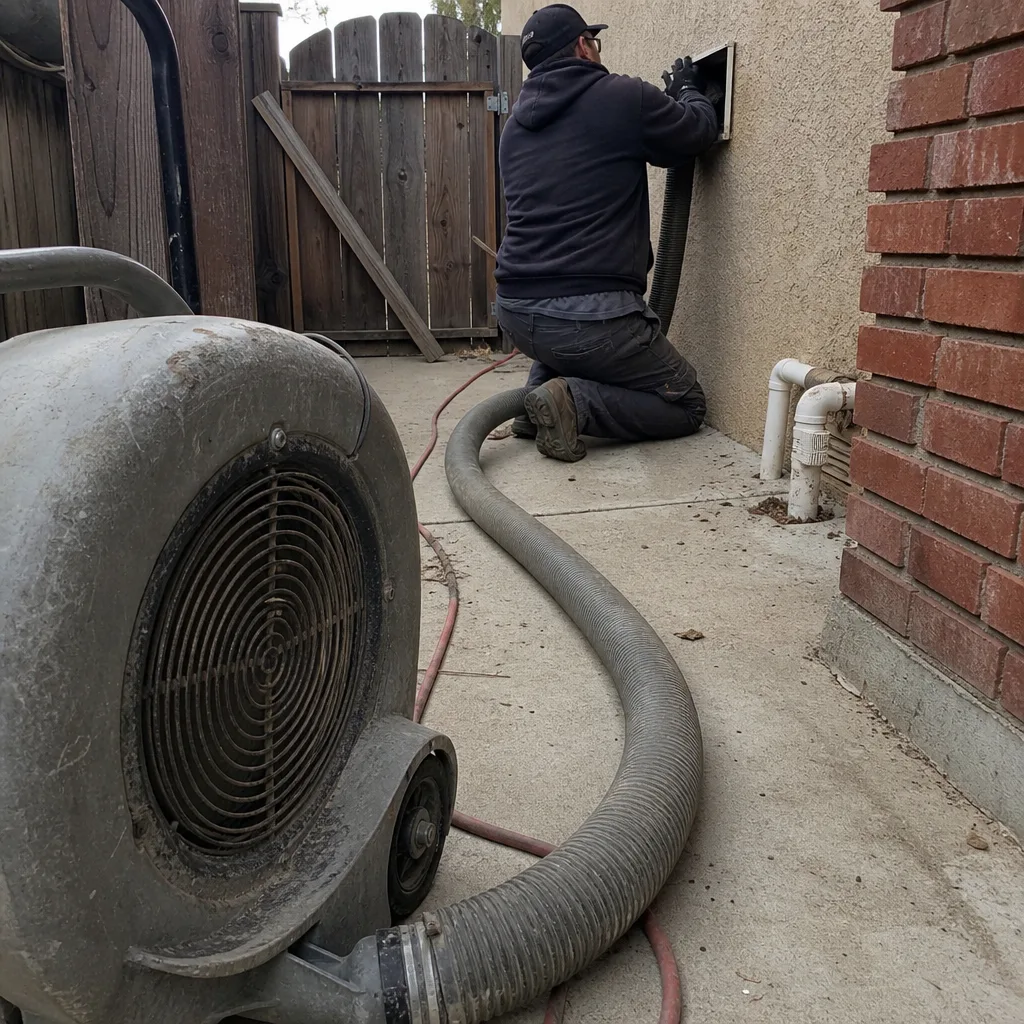 Before
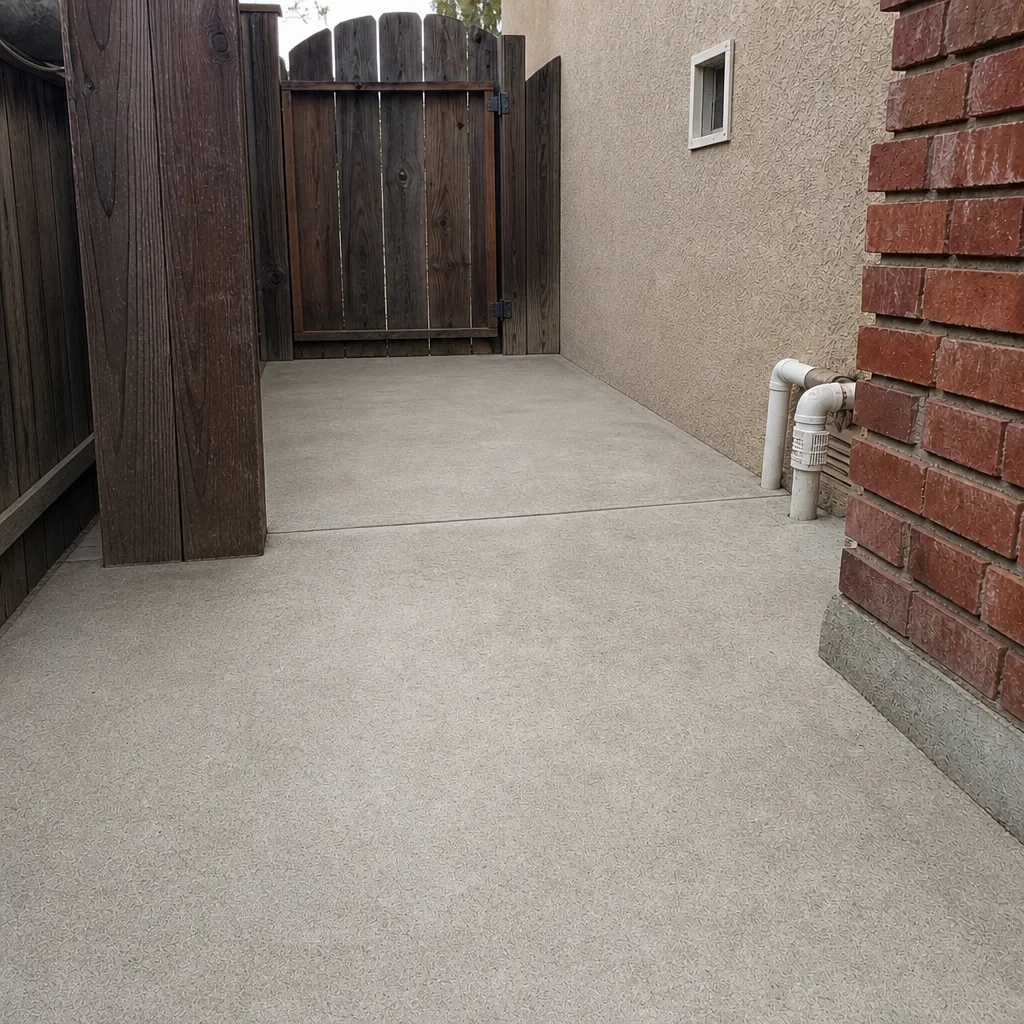 After
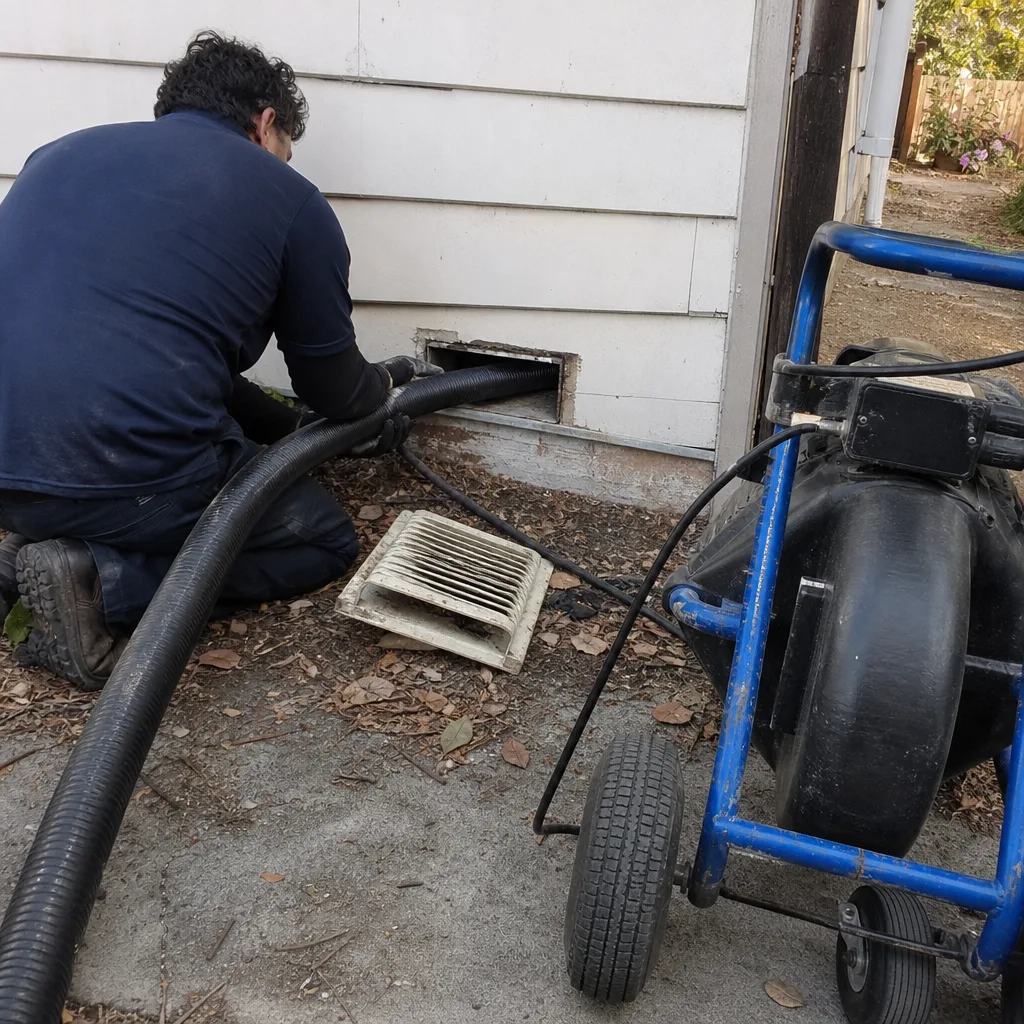 Before
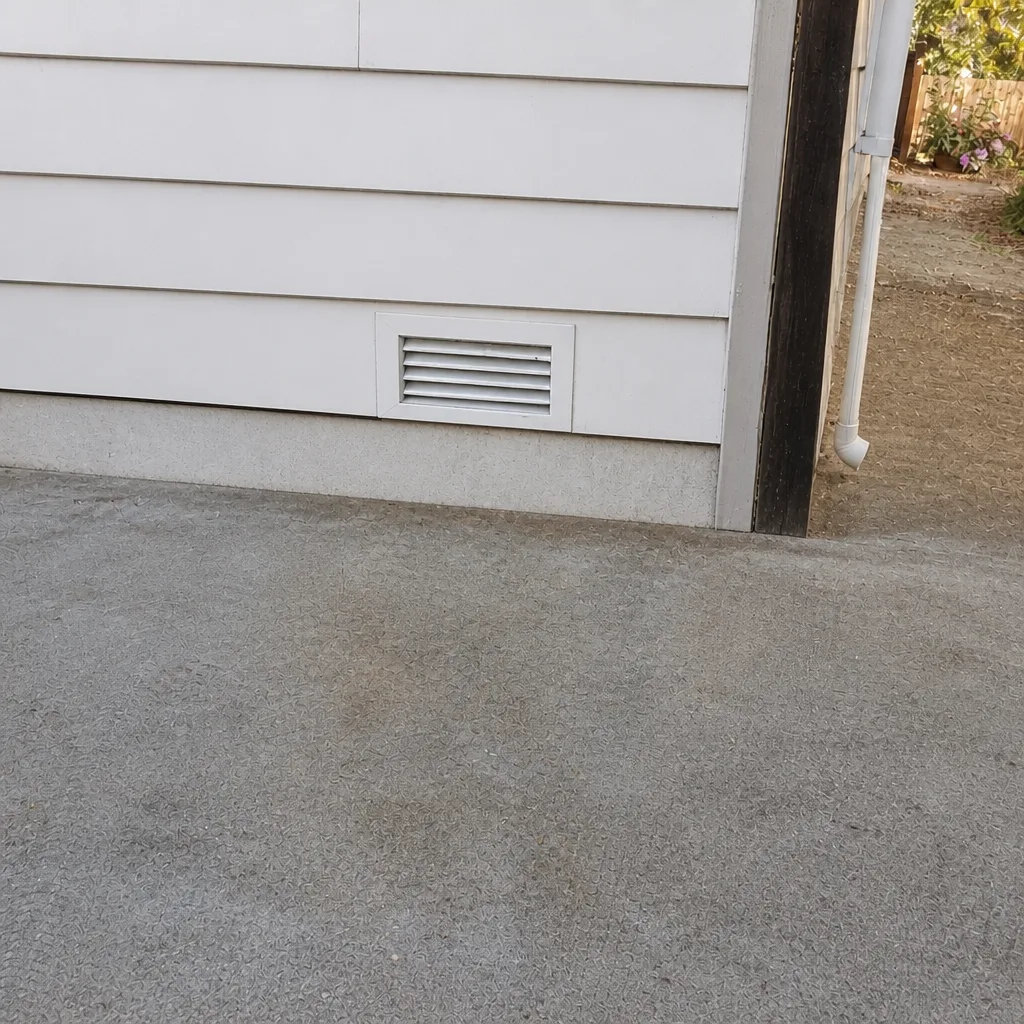 After
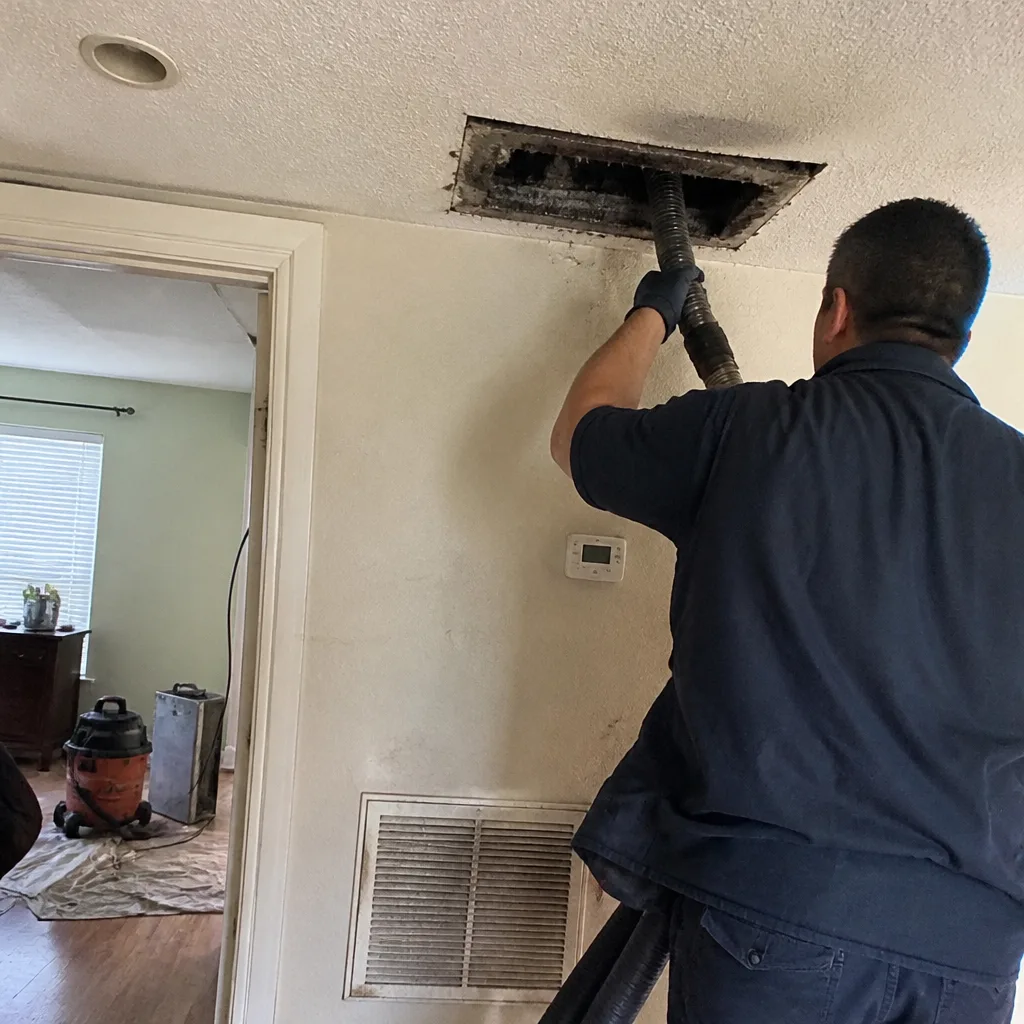 Before
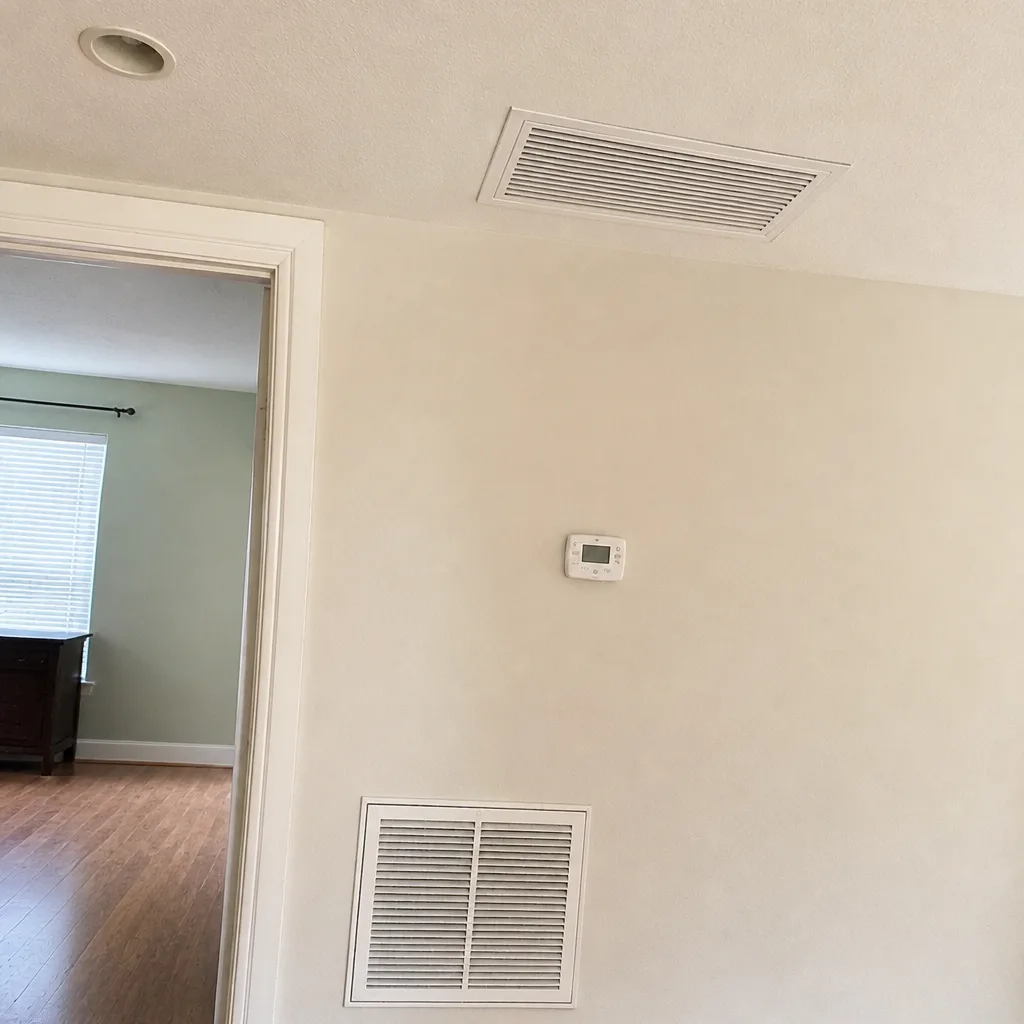 After
When to Call a Professional
The line where DIY stops being reasonable is the register boot. Call a professional if you see dust re-accumulating on register faces within a week, if you smell something musty when the system starts, if your home has been through a wildfire smoke event, if there’s been pest activity in the attic or crawl space, if your ducts are older and fiber-lined, or if it’s simply been long enough that you can’t remember the last cleaning. Our technicians have up to 13 years of experience and use professional-grade equipment – Rotobrush rotary contact tools, Nikro HVAC cleaning units, and Abatement Technologies filtration on the exhaust side. If a loose joint, disconnected run, or pulled boot turns up during the job, we can repair it in the same visit. Duct Cleaning Vacaville offers free estimates in Vacaville – call (888) 293-3839. We answer 24/7. Fast dispatch from 7am to 7pm, Sunday through Friday.
Frequently Asked Questions
Duct cleaning is priced per job by written estimate, not per vent, and the number depends on system size, accessibility, and condition. We don’t sell teaser coupons and we don’t quote “starting at” figures that balloon once the technician is on site. The estimate is free, the price is set before work starts, and you get one flat price per system. Call (888) 293-3839 for an exact quote.
No – a shop vac can’t hold negative pressure inside a duct system, so it can’t perform source removal. It can clean register faces and return grille surfaces, which is worth doing. But once you’re past the register boot, a shop vac loosens debris and relocates it rather than extracting it, which is the opposite of what you want.
Cheap quotes usually reflect one of two things: a company using consumer-grade equipment (a shop vac and a brush) that can’t achieve the airflow required for source removal, or a teaser price designed to grow once the technician is on site. Neither gets the debris out of your duct trunk. Ask what equipment they use by name before you book.
Before-and-after photos of your own ducts. Not stock images, not a “certificate of completion,” not a verbal assurance. Any legitimate duct cleaning company takes photos during the job and provides them to you. If they can’t, that’s your answer.
For most Vacaville homes, every three to five years is a reasonable baseline, and more frequently if there’s been a wildfire smoke event, remodeling, or pest activity. Homes with pets or occupants with allergies often benefit from a shorter interval. A free inspection will tell you where your system actually stands.
Yes, it can be scheduled together. Dryer vent buildup is a documented fire risk, and we treat it as part of the air-path work rather than an add-on. One call covers duct cleaning, dryer vent clearing, and duct repair in a single visit.
The Bottom Line
The DIY versus professional question for duct cleaning comes down to one technical fact: source removal requires negative pressure, and negative pressure requires airflow ratings consumer and rental equipment can’t hit. Everything else follows from there. Filters, register faces, return grilles, and dryer vent visual checks are legitimately yours to maintain. The inside of the duct system isn’t, and a well-intentioned weekend with a shop vac can actually make conditions worse by stirring up settled debris, fiber, or wildfire particulate. Professional cleaning is priced per job, documented with photos, and can include repair when the work turns up a problem. Call (888) 293-3839 for a free estimate. We answer 24/7. Fast dispatch from 7am to 7pm, Sunday through Friday.
Written by the team at Duct Cleaning Vacaville.