
Last updated November 15, 2026
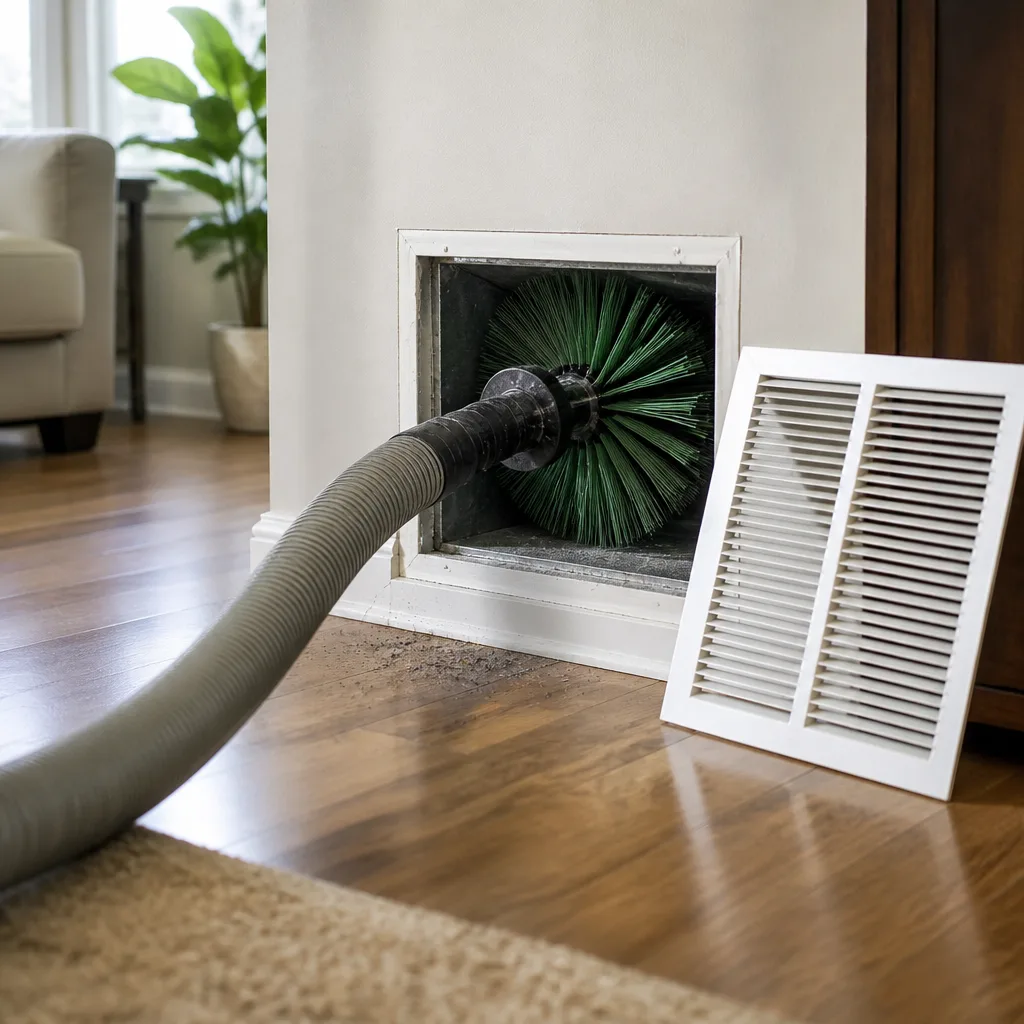 Whole-home duct cleaning
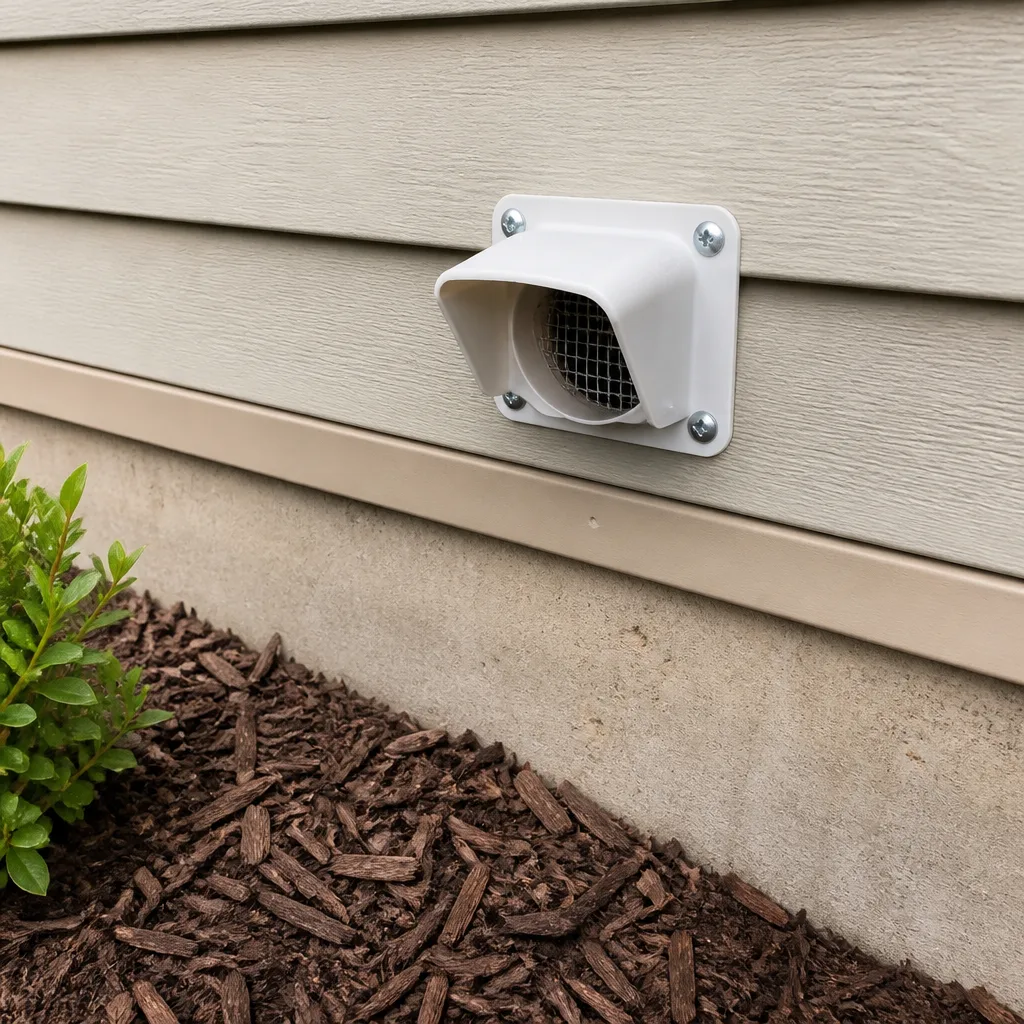 Dryer vent cleaning
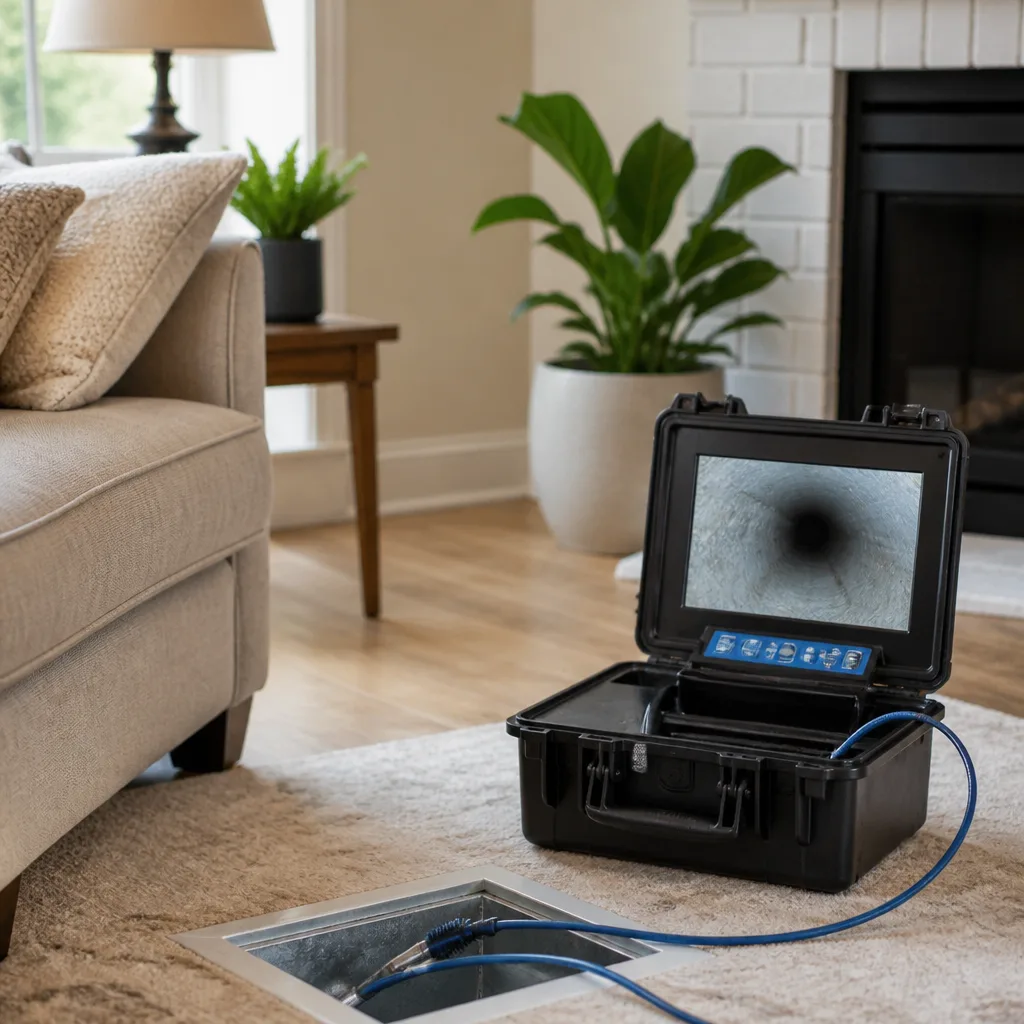 Camera inspection
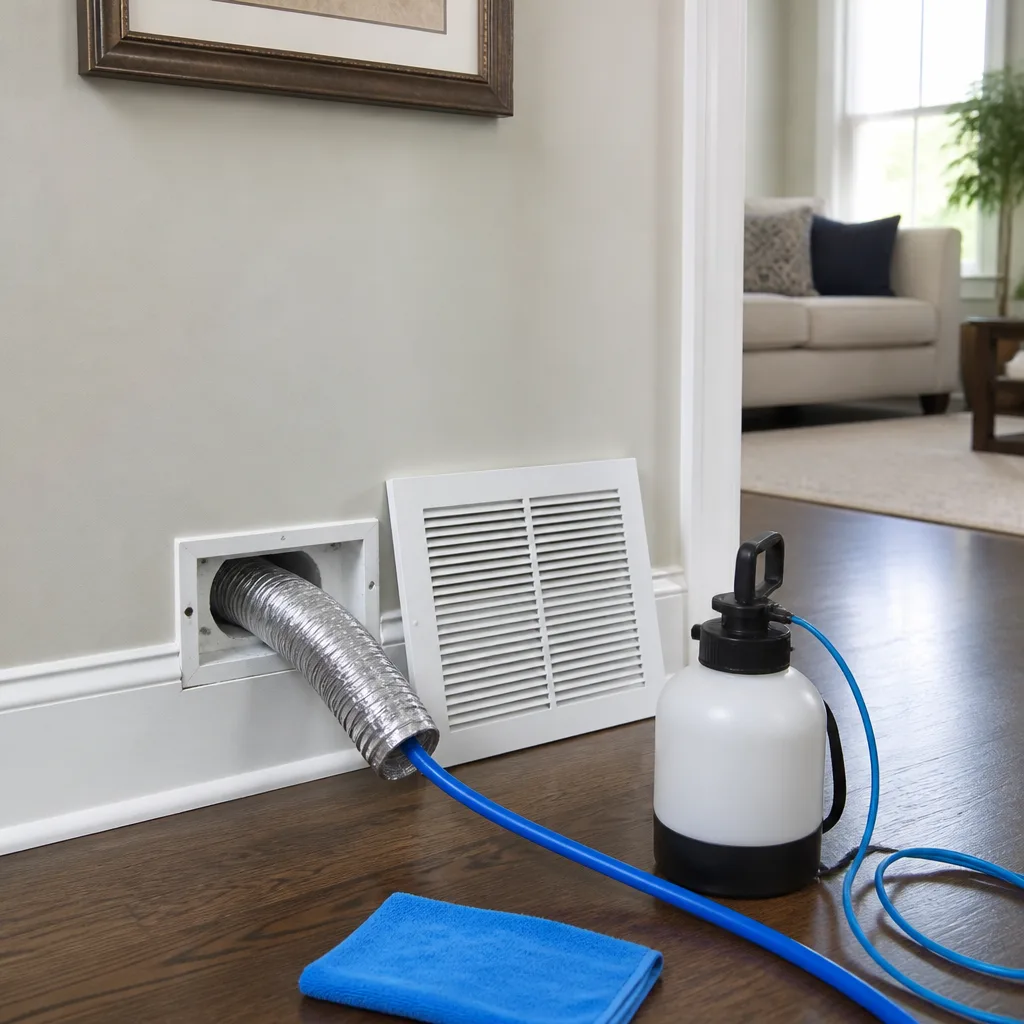 Sanitizing & deodorizing
Whole-system duct and dryer vent check with before-and-after photos - you see exactly what came out of your vents
That "$99 whole-house special" is a bait ad - the real number appears once they are in your hallway, or the "clean" is a shop-vac at the register. We photograph the inside of your ducts before and after instead.
The Complete Guide to Air Duct Cleaning in Vacaville
Most of the duct cleaning advice you’ll find online was written for someone else. The “every three to five years” rule, the vague warnings about dust and allergies, the coupon-style pricing language – none of it accounts for what actually happens to ductwork in a valley town that sits downwind of working farmland. Vacaville homeowners are breathing a different mix than folks in San Francisco or San Diego, and the systems in their homes collect a different kind of debris because of it. This guide explains how Vacaville’s geography shapes what ends up in your ducts, what professional-grade cleaning actually involves, how to tell source removal from surface cleaning, and how to document that a job was really done. By the end you’ll know what to ask before anyone opens your vents.
Styles & brands we work with
- Whole-home duct cleaning
- Dryer vent cleaning
- Camera inspection
- Sanitizing & deodorizing
Quick Answer
Air duct cleaning in Vacaville is a scheduled service, not an emergency, and it’s worth doing when your ducts have accumulated enough debris that airflow, filter life, or indoor air quality have suffered. A professional job means source removal with rotary contact equipment and negative-pressure containment, not a shop vac run through the registers. Expect a written estimate before work starts, a flat price per system, and photos of your own ducts before and after.
Table of Contents
- Why Vacaville’s Geography Changes Your Duct Maintenance
- What’s Actually Inside Vacaville Ductwork
- What Professional-Grade Equipment Does That a Shop Vac Can’t
- Source Removal vs. Surface Cleaning: The Difference That Matters
- Contamination Events That Reset the Cleaning Clock
- What a Completed Job Should Look Like Documented
- How Often Do Vacaville Ducts Really Need Cleaning?
- Common Mistakes to Avoid
- When to Call a Professional
- Frequently Asked Questions
- The Bottom Line
Why Vacaville’s Geography Changes Your Duct Maintenance
Vacaville sits in a specific spot that makes duct maintenance meaningfully different from coastal California. The city occupies the western edge of the Sacramento Valley, right where the valley narrows toward the Carquinez Strait. That geography creates a wind pattern most residents know by feel even if they’ve never thought about what it does to their HVAC system: air funnels through the strait from the Bay Area and inland, pulling agricultural dust, marsh particulates, and highway exhaust across the city on a regular basis.
Three contamination sources converge here:
- Sacramento Valley agricultural dust. Working farmland surrounds Vacaville on three sides. Orchard and row-crop dust, especially during discing and harvest, travels on prevailing winds.
- Suisun Marsh particulates. The marsh to the south contributes fine organic material – pollen, plant fragments, and airborne spores – that regular house filters catch only partially.
- I-80 corridor diesel exhaust. Vacaville grew up around the interstate. Vehicle traffic deposits fine soot and combustion particles that settle into ductwork over time.
Coastal homes deal mostly with salt-laden humidity. Vacaville homes deal with dry, particle-heavy air that gets pulled into return ducts and deposited throughout the system during every cooling season. When filters go past their change interval – and in Vacaville they load up fast – that debris finds its way past the return and into the supply runs. The result is a duct system that accumulates material faster than the generic three-to-five-year guidance suggests.
If you’re comparing services, it helps to know how a local team thinks about duct cleaning Vacaville specifically, rather than generic statewide advice.
What’s Actually Inside Vacaville Ductwork
When we open ductwork in a Vacaville home that hasn’t been cleaned in several years, the material found inside is rarely a single substance. It’s a layered mix. Understanding that mix matters because it tells you what kind of cleaning will actually help.
The typical deposit layers look something like this:
- Coarse surface dust. Settled house dust, skin cells, pet hair, and fabric fibers that collect on the flat bottom of horizontal runs.
- Fine agricultural and combustion particles. The smaller material that rides the airstream further into the system and coats the sides of duct walls.
- Biological and organic material. Molds, mildew, pollen residue, and organic fragments that settle where there’s any condensation or humidity cycling.
- Construction and renovation debris. Drywall dust, sawdust, and insulation fibers left inside ductwork after remodels or HVAC replacement.
- Airborne grease and cooking residue. In homes where the range hood doesn’t vent cooking exhaust effectively, fine grease deposits accumulate in return air paths.
The layered nature of Vacaville deposits is why surface cleaning so often fails. Wiping the visible dust off the first several feet of duct near the register doesn’t touch layers two through five. A proper air duct cleaning service addresses the entire run – from return air handler to supply boots – with tools designed to agitate and extract each layer.
What Professional-Grade Equipment Does That a Shop Vac Can’t
This is where the industry splits. Most duct cleaning complaints trace back to one problem: the technician showed up with consumer-grade tools and did a surface pass that looked like work but didn’t change the air quality. Professional equipment changes what’s possible inside the duct itself.
Here’s what separates professional-grade systems from a shop vac and a brush attachment:
- Rotary contact agitation. A system like Rotobrush uses a motorized rotating brush whip that travels the full length of the duct, contacting the walls and scraping debris loose across the entire circumference. A hand-held brush attachment can’t reach more than a few feet and can’t apply consistent pressure.
- High-volume negative pressure. Professional units like Nikro HVAC cleaning equipment pull a strong vacuum through the system while agitation happens, so loosened debris never has a chance to settle back into the ductwork. A shop vac can’t generate the static pressure needed across a full residential system.
- Remediation-level air filtration. Abatement Technologies air scrubbers circulate the surrounding air through HEPA-grade filtration during service, capturing fine particles that escape the duct’s negative pressure zone. Shop vacs release those particles into the home.
- Sealed containment. Hoses and access ports sealed properly mean the duct is under true negative pressure for the entire job. With a shop vac, half the cleaning happens in your living room.
- Verification capability. Professional equipment lets technicians measure airflow before and after, and document the condition of the duct interior photographically. A shop vac gives you a verbal “looks clean.”
The reason equipment matters so much in this trade is the industry’s bait-and-switch reputation. A coupon price that turns into a large invoice after a “free inspection” is bad enough. Worse is paying for a service that never actually removed the contamination. When you know what professionals use – rotary brushes, high-volume vacuum, air scrubbers – you know what to ask before anyone starts work.
Source Removal vs. Surface Cleaning: The Difference That Matters
The industry has two loose categories of duct cleaning, and they are not close to equivalent.
Surface cleaning means wiping or vacuuming what’s visible at the register, the boot, and the first few feet of duct. It may also mean a light treatment of the return trunk. It’s fast, it’s cheap, and it produces almost no measurable change in air quality because most of the contamination lives further into the system.
Source removal means removing the accumulated contamination from its source – the entire internal surface of every duct run – while using negative pressure to prevent it from migrating into the home. Source removal requires access to the full length of the duct, contact agitation, and a sealed extraction system. It takes longer and costs more because it’s a real job.
How to tell them apart before you book:
- Ask whether the technician uses a rotary contact system. If they say “a brush and a vacuum,” ask what kind of vacuum and what length of duct it reaches.
- Ask how the duct is put under negative pressure during the job. Real source removal keeps the system sealed and under vacuum throughout.
- Ask what documentation is provided at the end. Source removal can be documented photographically; surface cleaning can’t be faked if you demand photos of each run.
- Ask whether they use air filtration equipment like Abatement Technologies scrubbers, or whether the fine particles released during cleaning end up in your living room.
- Ask whether repair is offered when the inspection reveals damaged duct, disconnected runs, or degrading seals. A cleaner that can’t repair what it finds leaves you with a half-done job.
Only source removal improves air quality in a measurable way. It’s the single most important distinction in the trade, and it’s rarely discussed in marketing material.
Contamination Events That Reset the Cleaning Clock
The “every three to five years” rule assumes normal conditions. Vacaville’s conditions aren’t normal, and the cleaner schedule should reflect that. Several events effectively reset the clock and call for cleaning sooner:
- Wildfire smoke intrusion. When smoke from regional fires sits over the valley for days, fine particulate infiltrates every gap in the building envelope and settles into ducts. Homes near Vacaville that survived the smoke season will usually find a visible film inside return registers – and that film is inside the runs too.
- HVAC system replacement. A new furnace or air handler pulls air through ductwork that may already be contaminated. Installing new equipment without cleaning existing duct is like putting a fresh filter upstream of a dirty drain.
- Nearby construction or agricultural land work. Discing, harvesting, or nearby construction pushes fine dust into the air. Homes downwind of active agricultural work often see filter loading accelerate within days.
- Remodeling your home. Interior renovations, especially anything involving drywall or flooring, push construction dust into the return air stream. Duct cleaning is usually best done after the work finishes.
- Moving into a home with an unknown history. If you don’t know when the ducts were last cleaned and there’s visible dust in the registers, assume it’s due.
- Pest or rodent activity in the duct system. Droppings and nesting material require professional removal with proper containment, not a shop vac.
- Persistent musty smell or visible mold at registers. Any musty odor that comes back after a filter change usually signals moisture or biological growth inside the system.
If any of these fit your situation in Vacaville, the schedule matters less than the condition. A local Vacaville team that knows the local smoke seasons and agricultural cycles can advise based on what you’re actually seeing.
What a Completed Job Should Look Like Documented
A professional cleaning isn’t finished when the technician walks out the door. It’s finished when you’ve seen evidence of what changed. If the service was done right, the documentation should include:
- Before-and-after photos of every duct run. The camera goes inside the duct, and you see the interior surface at the start of the job and at the end. Same angles, same lighting, same run.
- Before-and-after airflow readings. Static pressure and airflow volumes measured at the return and at representative supply registers. If airflow doesn’t change, either the duct was already clean or the cleaning didn’t do what it claimed.
- Filter condition at job end. A fresh filter installed at completion, with the previous filter photographed so you can see what the system was pulling. Filters are a record of what’s been moving through the air.
- Inspection findings. Disconnected runs, damaged flex, deteriorated seals, or crushed sections identified during cleaning. If the cleaner can’t repair them, you should walk away knowing exactly what needs fixing and by whom.
- Registration of register boots and grilles. Every register opened gets a before/after. If a technician skips one, there’s a reason.
If someone offers cleaning without documentation, ask why. The honest answer is usually that the tools don’t produce a verifiable result. If you’re in Vacaville and want to know what a documented job looks like, that’s exactly the kind of conversation we want to have before booking.
How Often Do Vacaville Ducts Really Need Cleaning?
Most homes in Vacaville benefit from cleaning every three to five years under normal conditions, but “normal” is doing a lot of work in that sentence. Here’s how to set an interval that actually fits:
- Every three years for homes with pets, anyone with allergies or asthma, or homes near active farmland or construction.
- Every two to three years for homes that experienced wildfire smoke intrusion or a major remodel since the last cleaning.
- Every five years at most for homes with no pets, no recent smoke events, and regular filter changes – but never stretch past that if you notice visible dust at the registers or musty odor.
- Sooner at any interval if a filter loads visibly in under a month, if airflow at the registers feels weak, or if you see debris inside the return grille.
Filter hygiene matters more than any fixed schedule. Change filters on the interval your filter manufacturer prints, and check them monthly during smoke season. A clean filter is the first line of defense; the duct cleaning handles what got past it before.
Common Mistakes to Avoid
- Booking on coupon price alone. Door-buster prices tend to be teasers for a “free inspection” that finds problems. Ask for a flat price per system in writing before you book, and ask what it covers.
- Accepting a shop vac job. Consumer-grade equipment cannot generate the negative pressure or contact the duct walls a real cleaning requires. Ask what equipment the technician brings before scheduling.
- Skipping professional cleaning after a remodel. Drywall and sawdust settle into ducts long after the dust trail on the floor has been swept. If you’ve remodeled, add a cleaning to the punch list.
- Waiting until the smell is unmistakable. By the time mustiness is obvious, biological material has usually been accumulating for a while. Cleaning earlier is simpler and cheaper than waiting for a problem to announce itself.
- Not asking for photos. A service that can’t show you the inside of your own ducts before and after probably didn’t clean them in a way worth paying for.
- Ignoring disconnected or crushed duct runs. Cleaning a damaged system can make the hidden problem harder to spot. Ask whether the job includes repair. Duct Cleaning Vacaville handles repair alongside cleaning, so nothing gets left flagged and unfixed.
- Forgetting the dryer vent. Lint buildup is a documented fire cause. If you’re having the HVAC path cleaned, have the dryer vent checked at the same time. dryer vent cleaning is a fire-prevention service, not a convenience.
When to Call a Professional
Any of these situations means it’s worth getting an inspection and estimate:
- Visible dust or debris at the registers, especially a gray film inside the return grille.
- Musty or stale odor in the home that returns after filters are changed.
- Recent HVAC system replacement, major remodel, or wildfire smoke event.
- Pest or rodent activity inside the ductwork, which requires proper containment and removal.
- Persistent allergy symptoms indoors that don’t improve with filtration or filter upgrades.
- A dryer that takes noticeably longer than it used to, or visible lint around the exterior vent.
For a system that also needs repair – disconnected flex, crushed runs, degraded seals – the same visit should address cleaning and repair together. Duct Cleaning Vacaville offers free estimates in Vacaville and can look at your HVAC duct path and dryer vent in a single appointment. Call (888) 293-3839.
Frequently Asked Questions
Air duct cleaning in Vacaville typically runs in the range of a few hundred to just over a thousand dollars for a full residential system, depending on square footage, number of runs, and whether repair is needed. We quote a flat price per system in writing before work starts, so there’s no per-vent pricing and no surprise invoice. Call (888) 293-3839 for an exact quote – estimates are free.
Cheap quotes usually reflect surface cleaning, not source removal – one technician with a shop vac and a hand brush passes through the visible parts of the system and leaves the rest. If the quote is dramatically lower than others, ask which equipment they use and whether photos of every run are included. Call (888) 293-3839 to compare an honest quote.
Ask for before-and-after photos of every duct run, airflow readings at the return and at supply registers, and the condition of the filter at job end. A legitimate service provides all three without being asked. If someone can’t show you evidence, don’t hire them. Call (888) 293-3839 to schedule a documented cleaning.
Every three to five years is a reasonable baseline, but Vacaville sits downwind of agricultural dust, marsh particulates, and the I-80 corridor, which pushes deposits faster than coastal areas. If your home experienced wildfire smoke, a recent remodel, or HVAC replacement, the clock resets. Call (888) 293-3839 and we’ll walk through your situation.
For homeowners with allergies, source removal cleaning reduces the accumulated dust, pollen residue, and biological material that circulates through the home every time the HVAC runs. It’s not a medical treatment, but it’s the foundational step before any whole-home air quality upgrade. For homes with Honeywell or Aprilaire systems, we can recommend filtration and humidification upgrades that pair with the cleaning. Call (888) 293-3839 for an assessment.
Yes, if the dryer vent hasn’t been cleaned recently. Lint buildup in dryer vents is a documented fire hazard, and pairing the two services in one visit saves time and money. Call (888) 293-3839 for a single-appointment estimate.
The Bottom Line
Duct cleaning in Vacaville isn’t the generic “every three to five years” maintenance item most guides describe. The Sacramento Valley farmland to the west, the Suisun Marsh to the south, and the I-80 corridor through the middle of town load your ductwork faster than coastal climates do, and that changes what kind of cleaning is worth paying for. Source removal with professional equipment – rotary contact agitation, high-volume negative pressure, and filtration – is the only method that produces measurable air quality gains. Ask for a flat price per system, before-and-after photos, and evidence of a real job. If you’re ready to see what’s actually in your ducts, call Duct Cleaning Vacaville at (888) 293-3839 for a free estimate. We answer 24/7, with fast dispatch from 7am to 7pm, Sunday through Friday. Our technicians have up to 13 years of experience, and we clean, we repair, and we document – one call closes the loop on your ductwork.
Written by the team at Duct Cleaning Vacaville.
See the difference
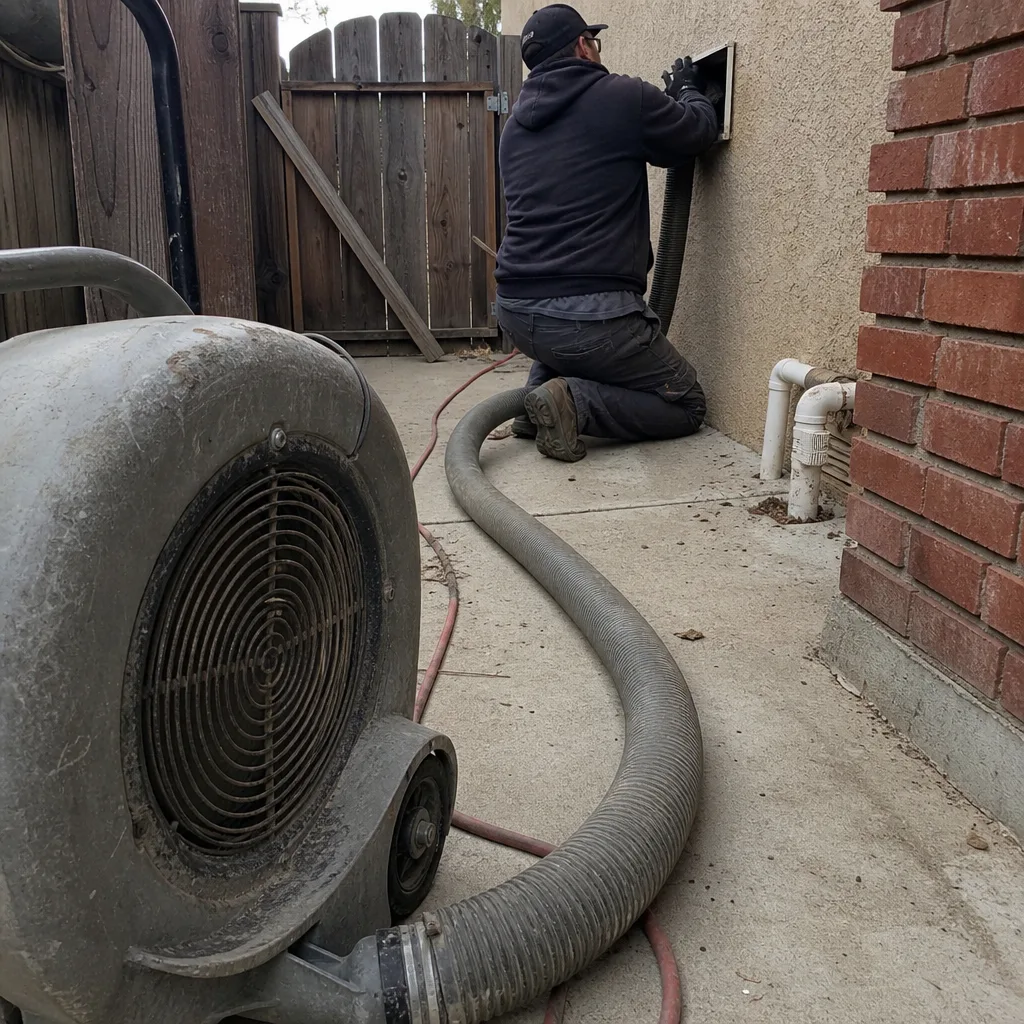 Before
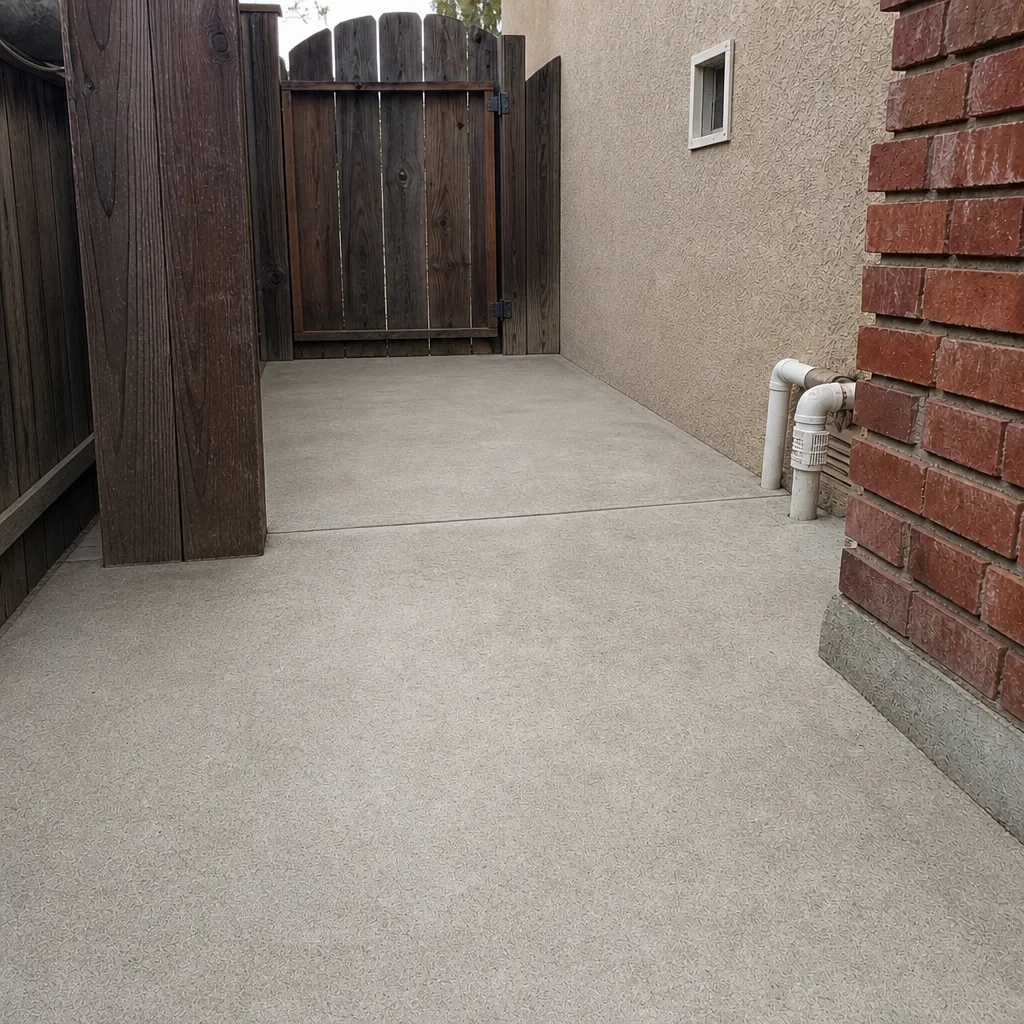 After
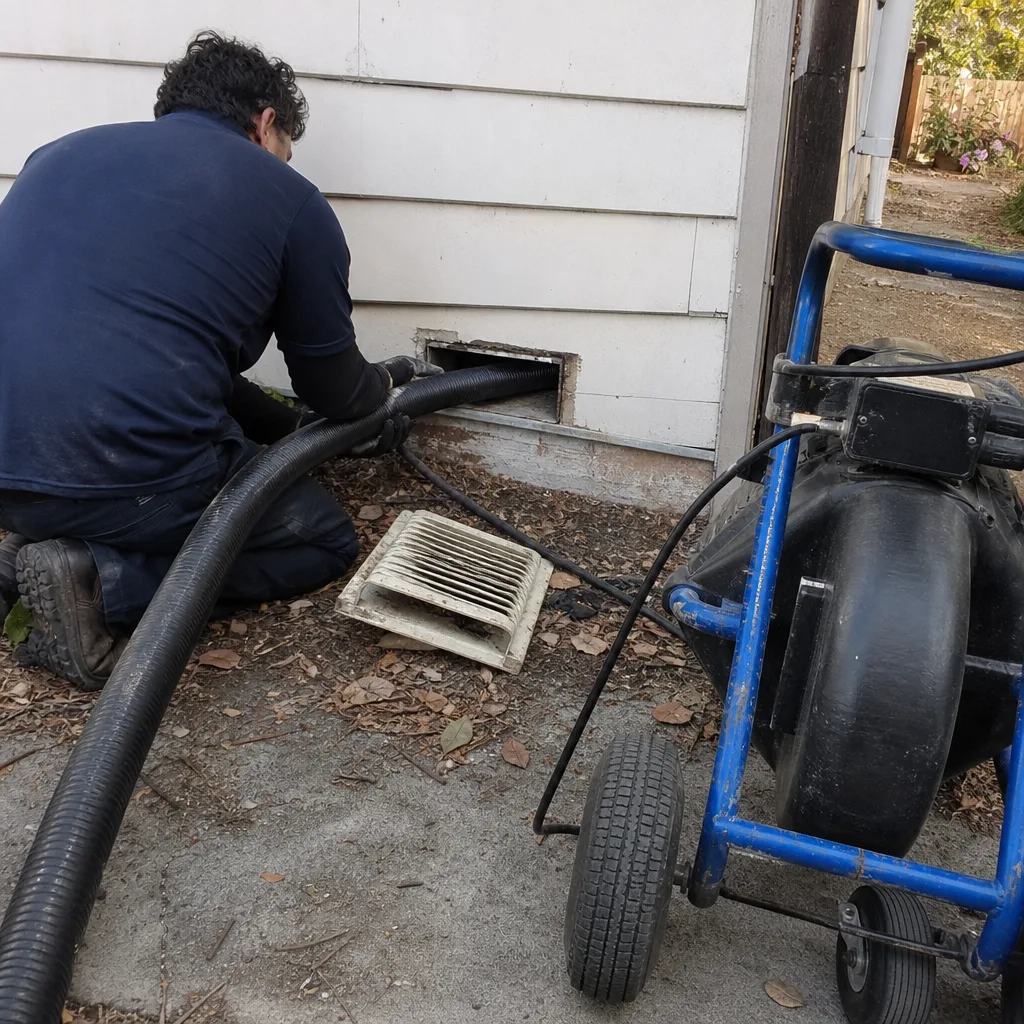 Before
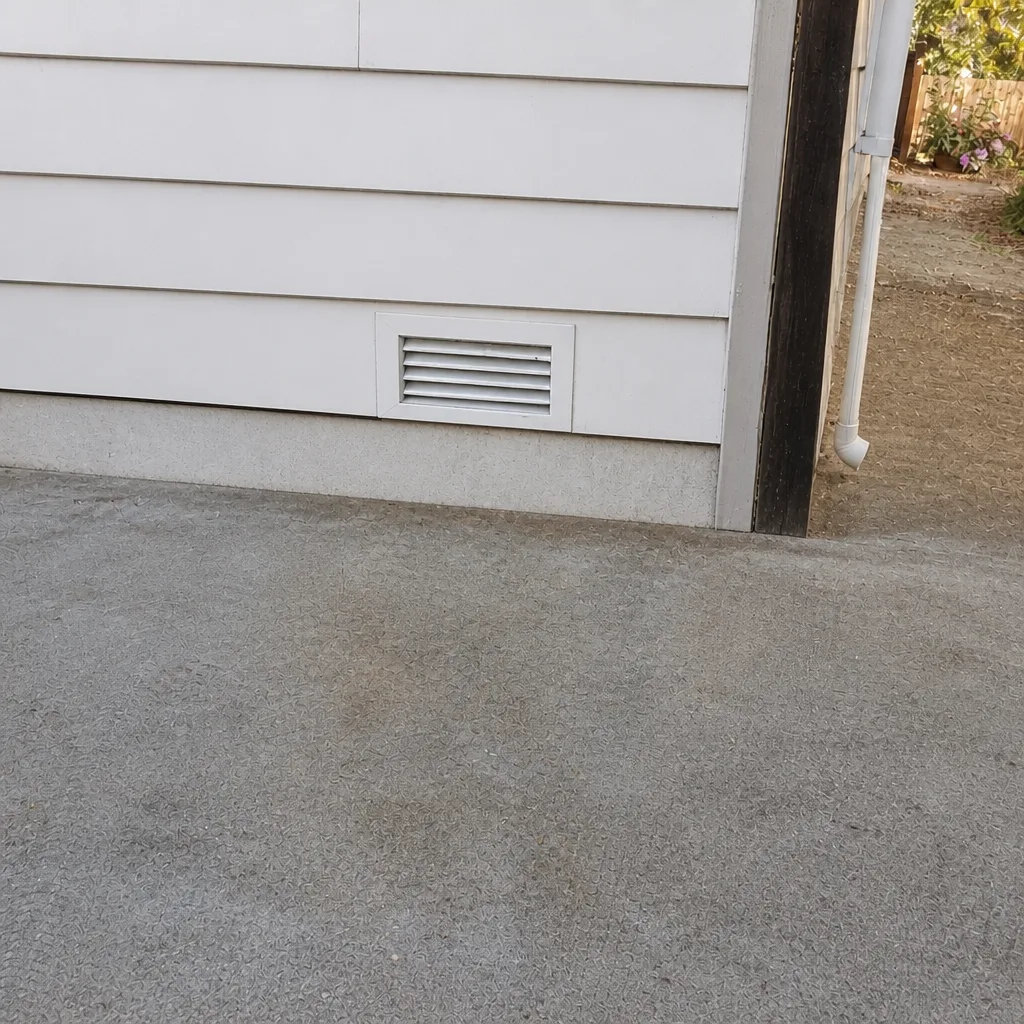 After
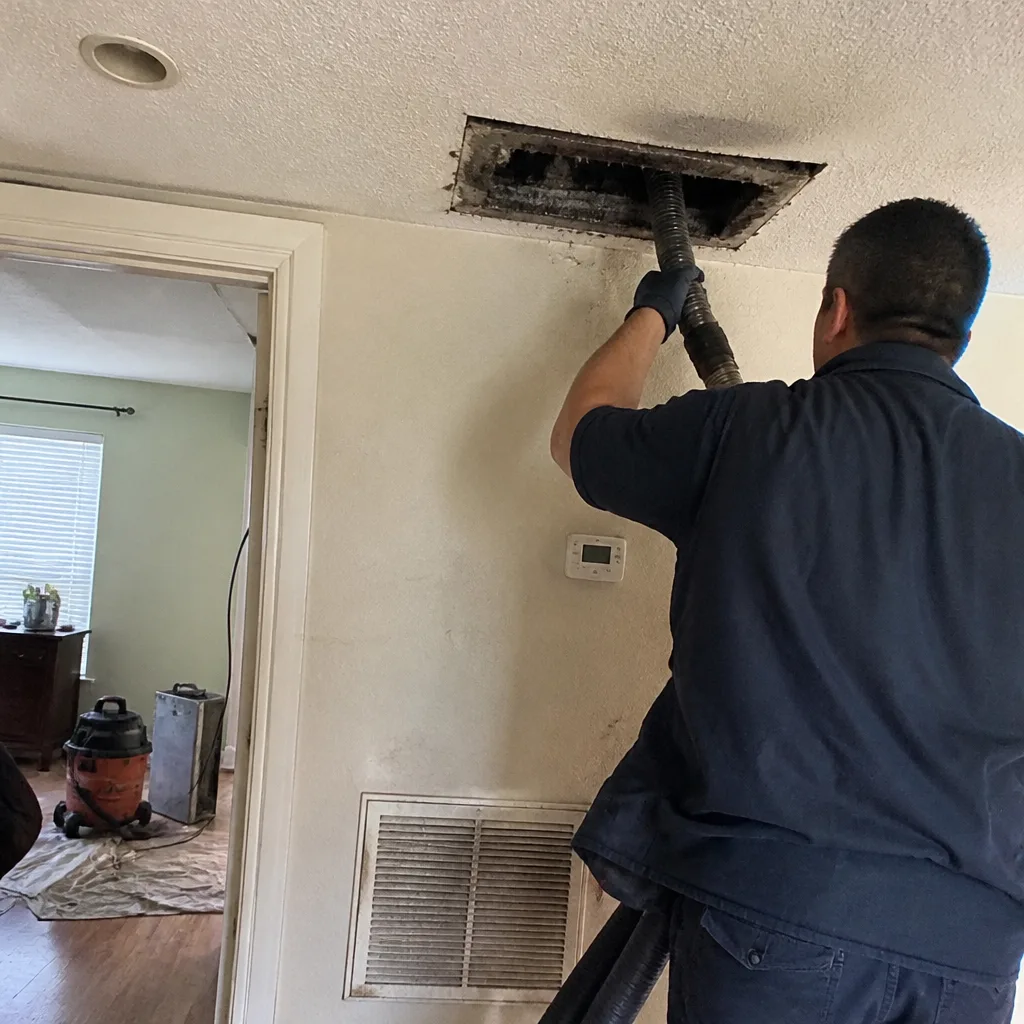 Before
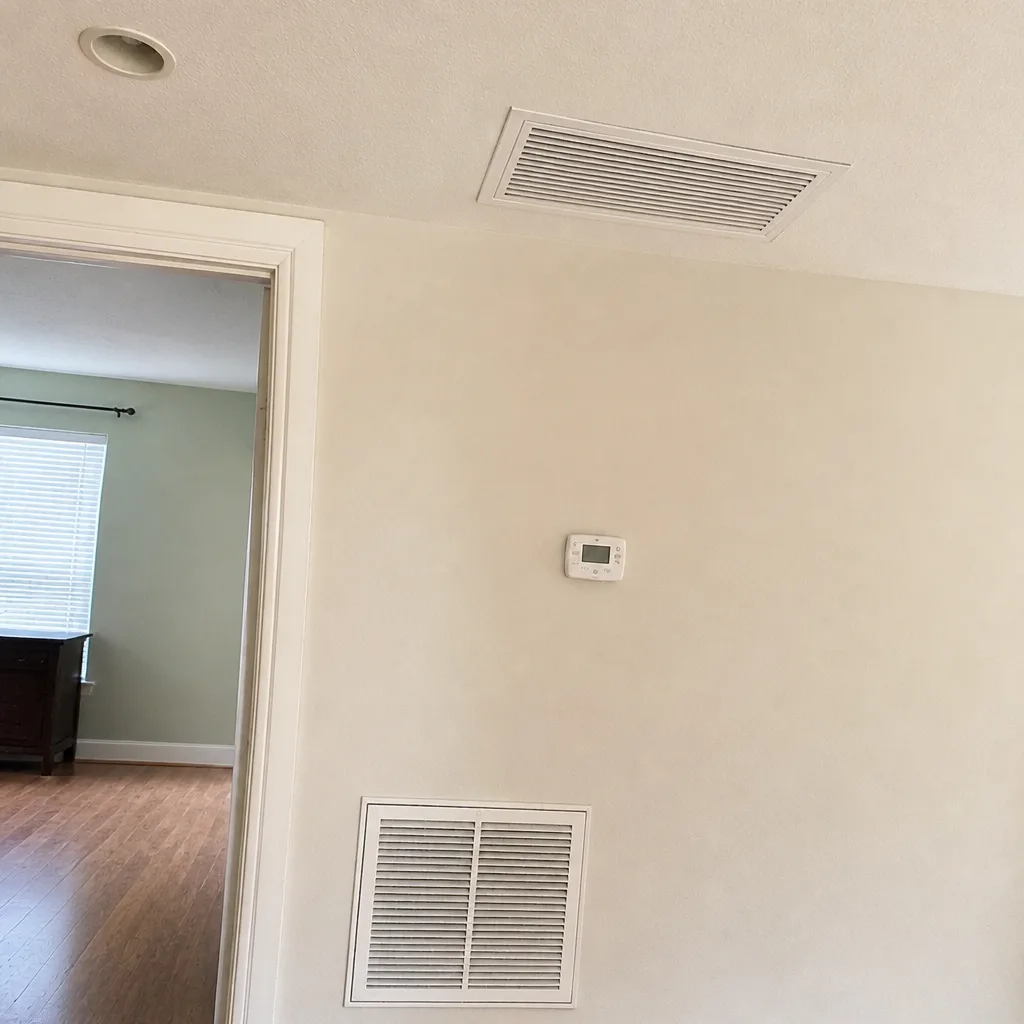 After