
Last updated November 15, 2026
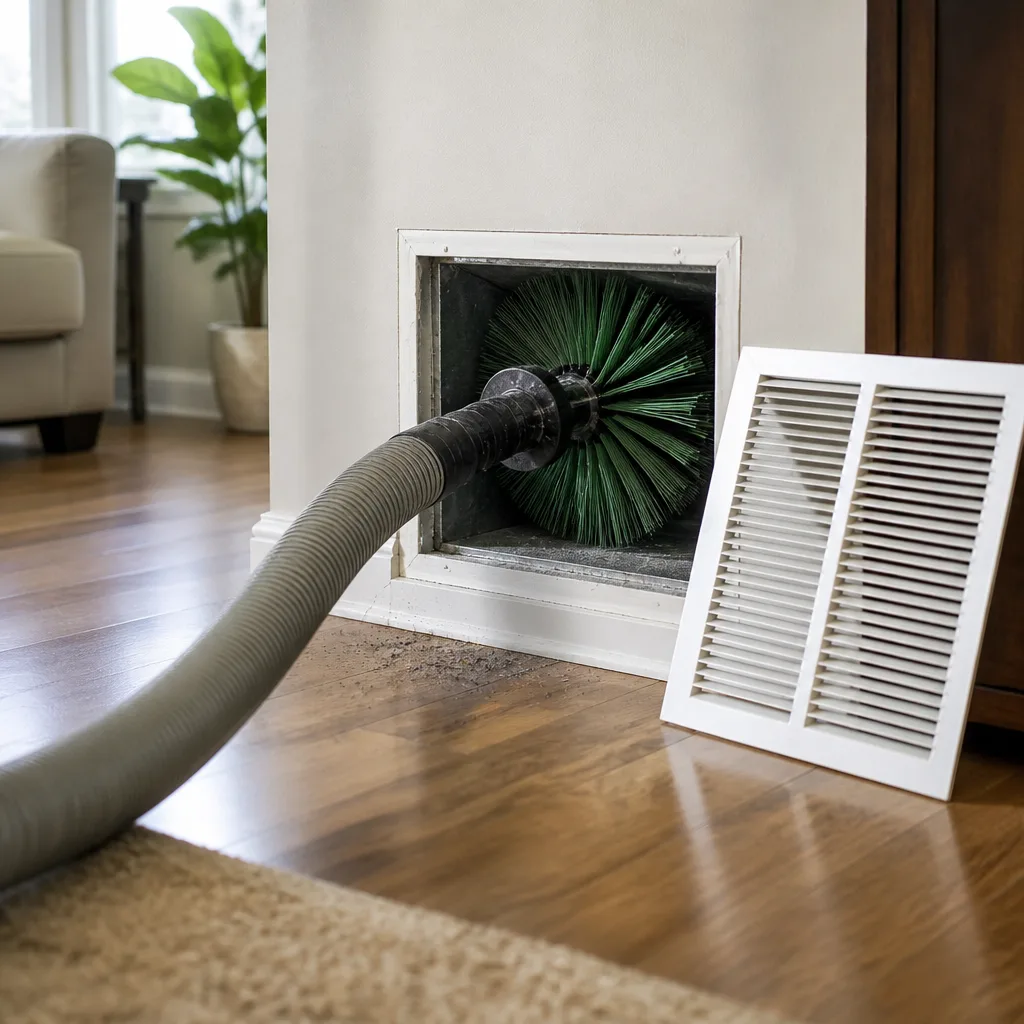 Whole-home duct cleaning
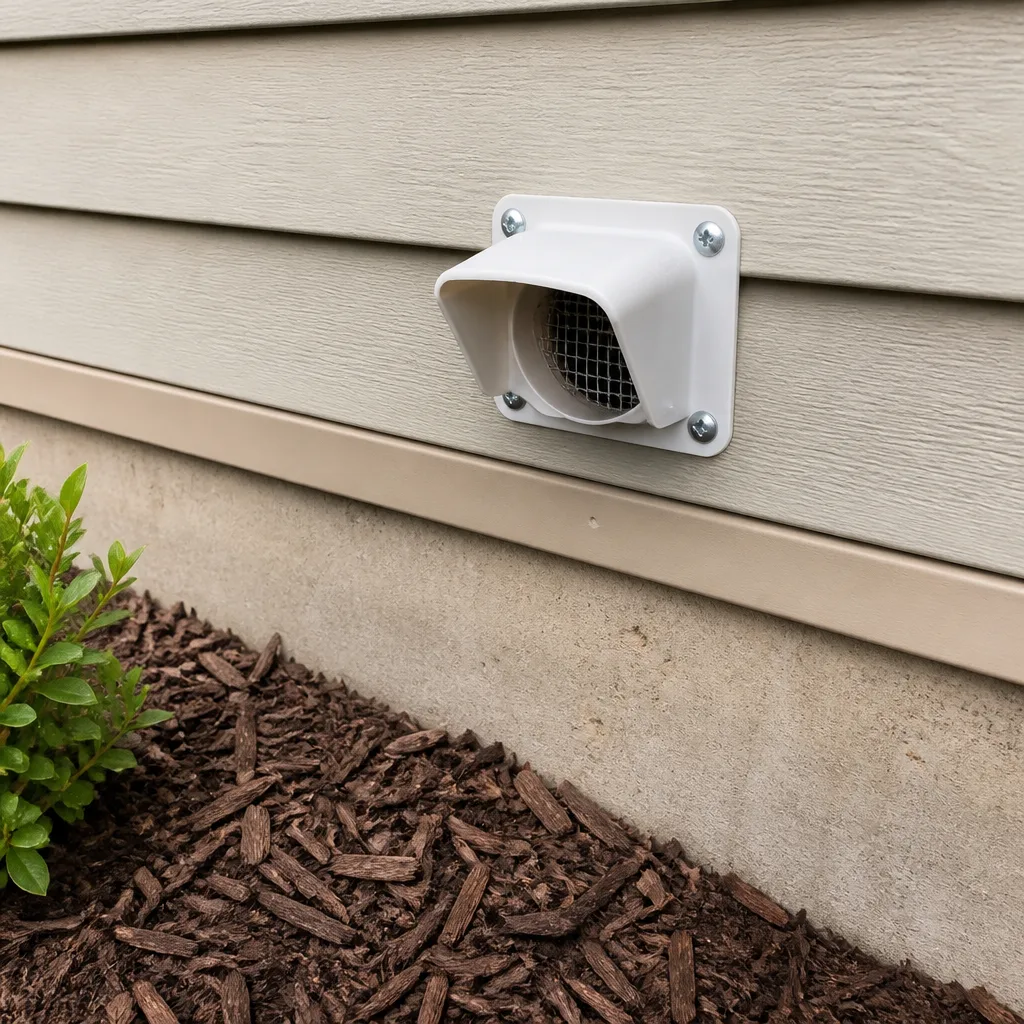 Dryer vent cleaning
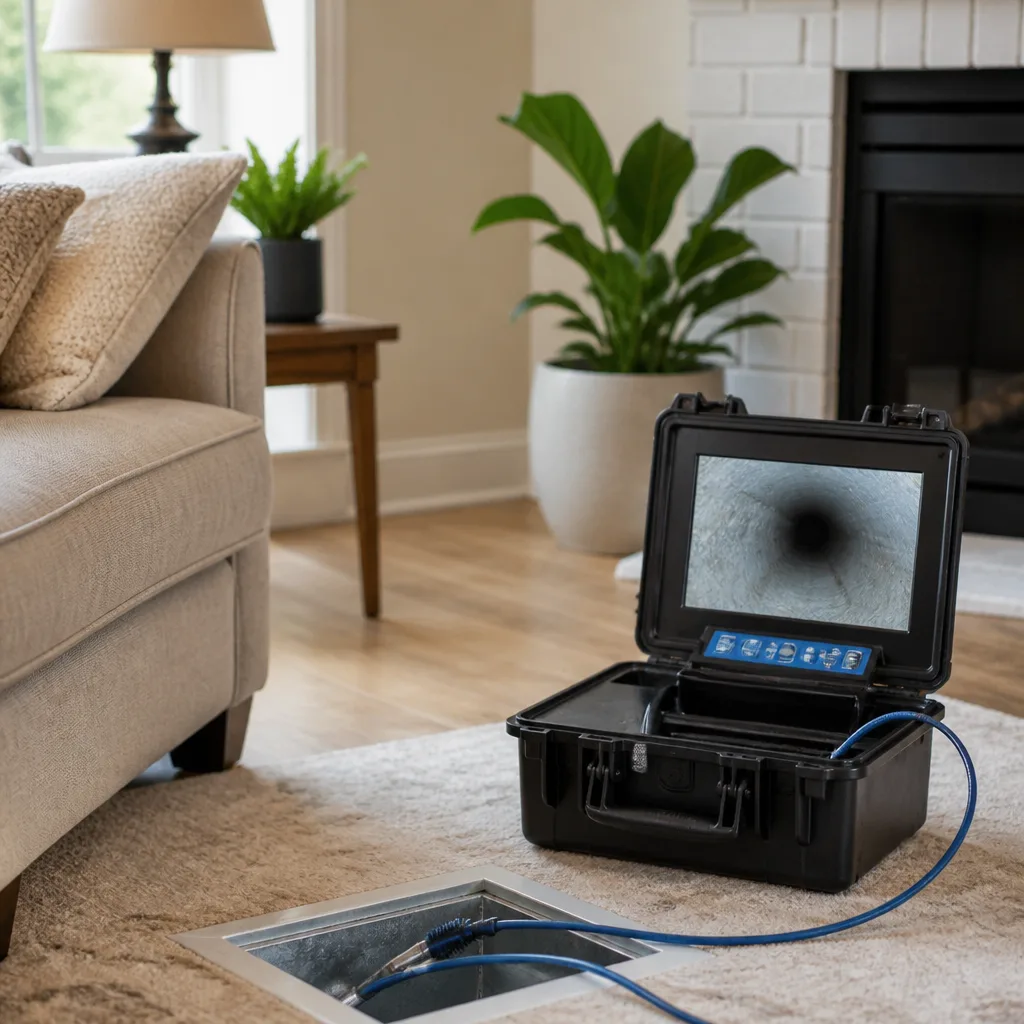 Camera inspection
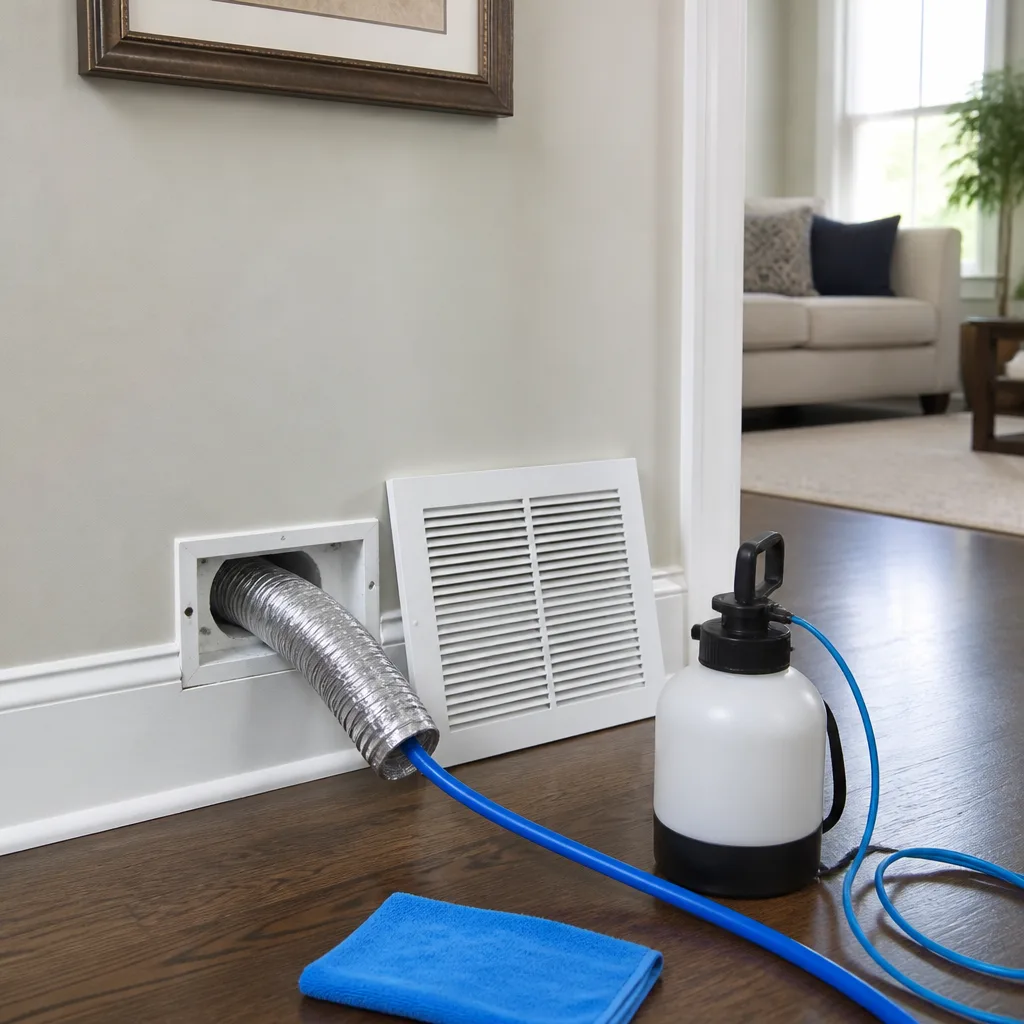 Sanitizing & deodorizing
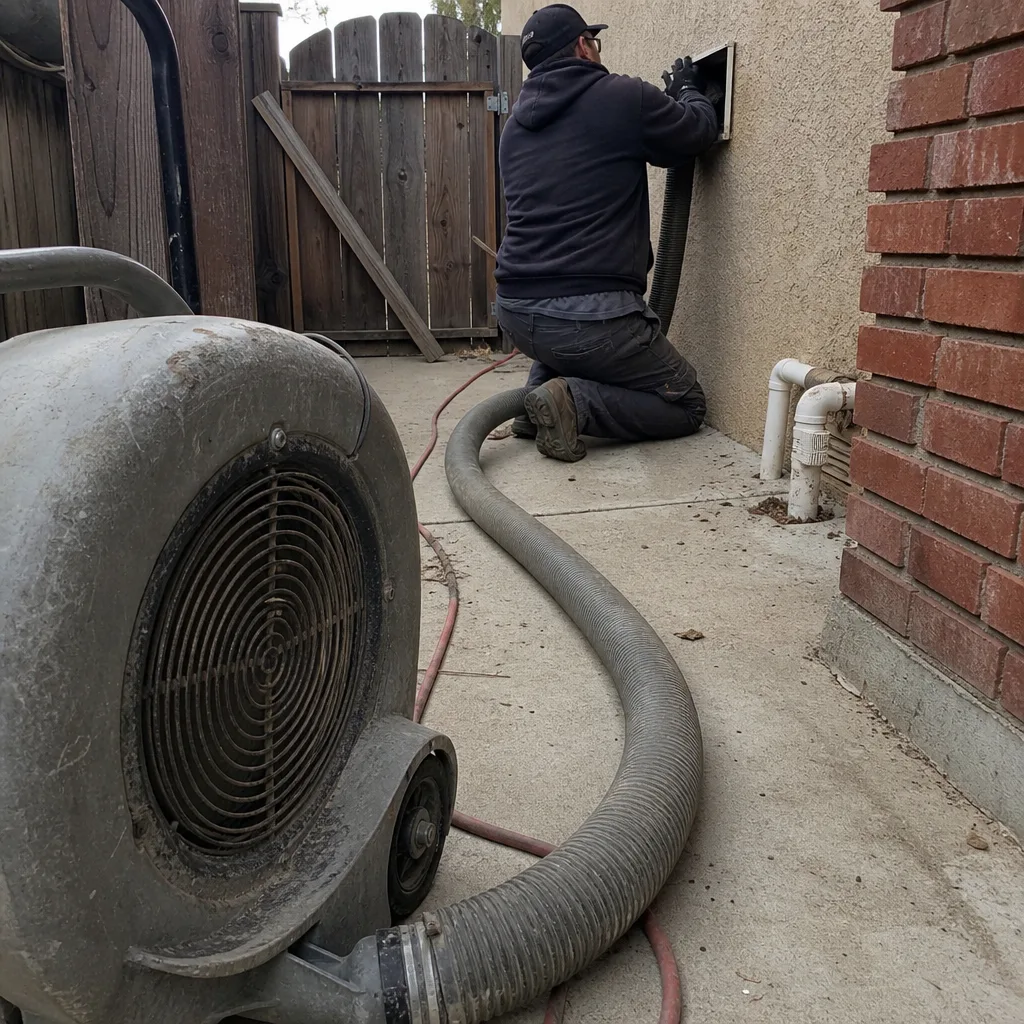
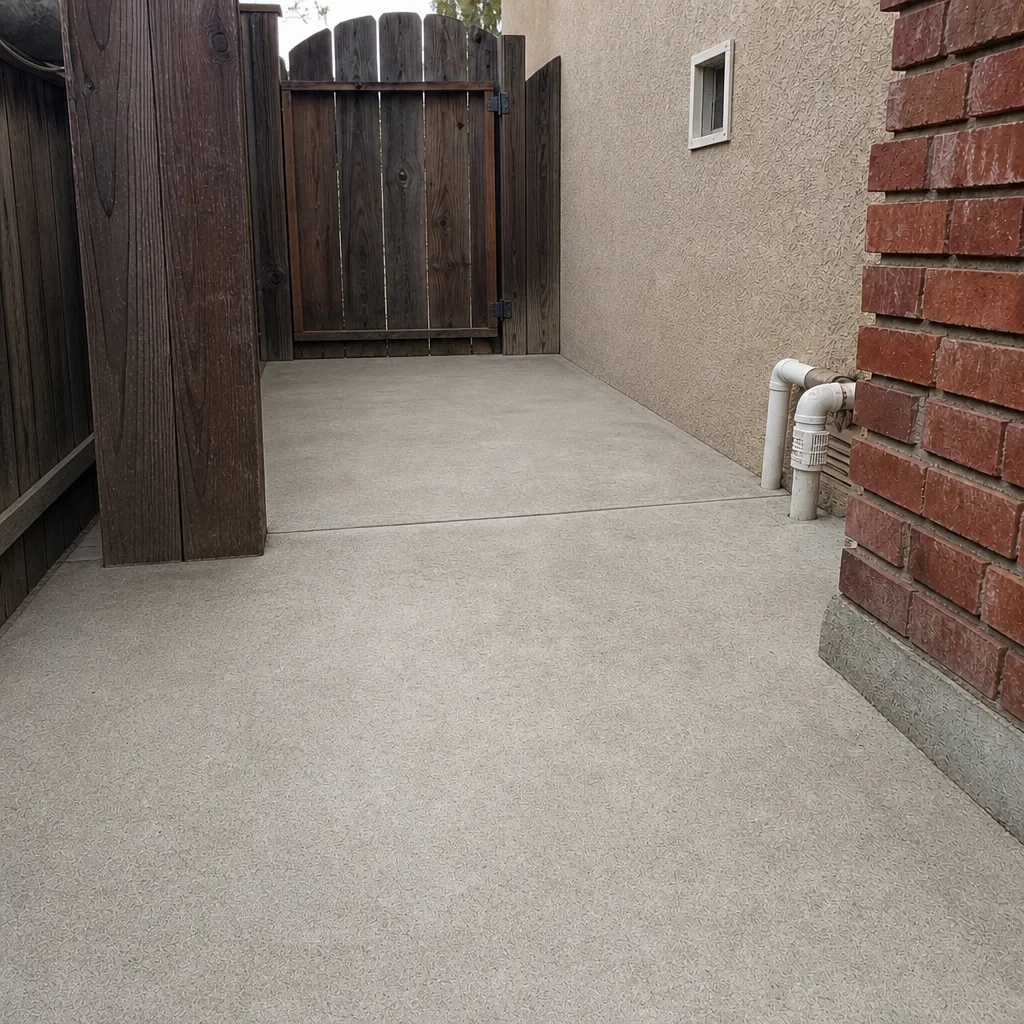
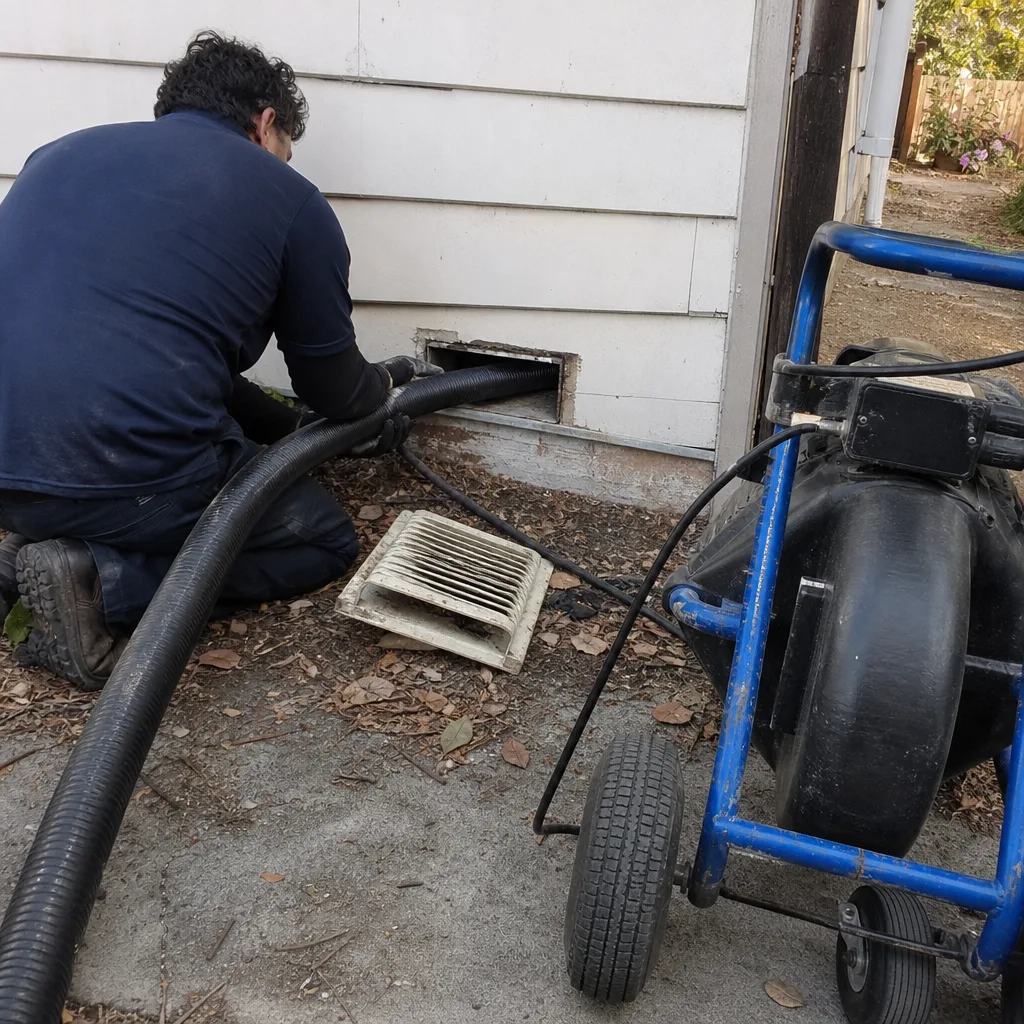
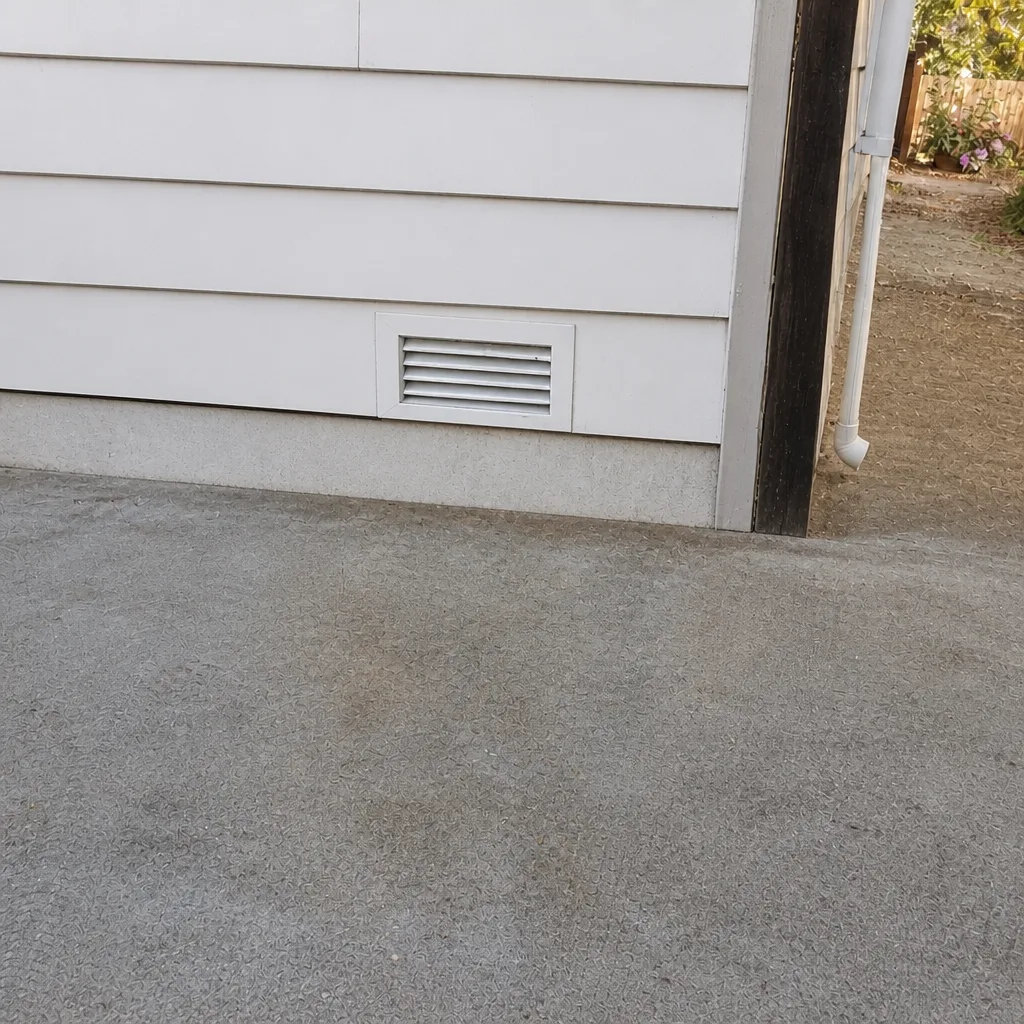
Whole-system duct and dryer vent check with before-and-after photos - you see exactly what came out of your vents
That "$99 whole-house special" is a bait ad - the real number appears once they are in your hallway, or the "clean" is a shop-vac at the register. We photograph the inside of your ducts before and after instead.
Air Duct Cleaning Maintenance Checklist for Vacaville Homeowners
Most duct maintenance checklists floating around online are written for the entire United States at once, which makes them accurate for nowhere in particular. A Vacaville home coming off a dry August wind event, with a live oak canopy dropping fine grit and mature homes in the older core running original sheet metal, has different inspection priorities than a house in Seattle in November or a new build in Phoenix. The checklist matters less than the decision framework behind it: when is watching enough, when do you need a camera scope, and when do you need real mechanical cleaning? This guide gives you both, keyed to the triggers this valley actually produces.
Quick Answer
A working maintenance checklist for a Vacaville home means three things: tool-free monthly observations of registers, airflow and odor; seasonal inspections tied to smoke season, spring allergy season and harvest dust; and a written or photographed record at each register so you’re tracking change instead of guessing. Replace filters on a Vacaville-based interval rather than the manufacturer’s sealed-lab default, and escalate to a professional camera scope when you see three specific conditions: uneven airflow, visible debris at multiple grilles, or a persistent odor after a filter change.
Styles & brands we work with
- Whole-home duct cleaning
- Dryer vent cleaning
- Camera inspection
- Sanitizing & deodorizing
Table of Contents
- Why a Vacaville-Specific Checklist Beats a Generic One
- Monthly Checks You Can Do With No Tools
- Seasonal Triggers Specific to Vacaville
- What to Photograph Annually (Your Contamination Baseline)
- Filter Change Intervals That Match Vacaville Conditions
- Three Conditions That Trigger a Professional Camera Scope
- A Full Annual Walkthrough, Step by Step
- When Cleaning Isn’t the Answer and Repair Is
Why a Vacaville-Specific Checklist Beats a Generic One
Duct systems collect whatever the air around them carries. Vacaville sits in a high summer-heat zone with a long dry season, seasonal wind events that lift fine particulate, nearby agricultural production, and an autumn wildfire smoke pattern that has become a routine part of the calendar. That combination loads a duct system differently than a coastal climate with year-round humidity or a cold-winter city where the furnace runs six months straight.
The practical consequence: a checklist copied from a national website will tell you to change the filter every 90 days and call it done. For a Vacaville household with two pets, cottonwood fluff in spring and smoke-season infiltration in October, 90 days is often too long. For a single occupant in a newer home with no pets and a sealed return, it may be too frequent.
Two things separate a real maintenance plan from a coupon-driven service:
- Observation before action. You record what your registers look like over time, so a technician can compare against evidence, not a sales pitch.
- Equipment that matches the job. A shop vac and a hose can vacuum a grille face. It cannot reach, brush and contain contamination inside the trunk line.
When a professional visit is the right next step, we clean with a rotary contact brush system and HEPA-stage filtration during the work, because that is what a genuine duct cleaning for a north Vacaville home actually requires. Everything in this guide is in service of knowing when that step is warranted.
Monthly Checks You Can Do With No Tools
These observations take ten minutes, need no equipment beyond your eyes and nose, and give you the raw data for every later decision. Do them the same time each month so you’re comparing like with like. The best moment is 10-15 minutes after the system kicks on, when airflow is steady.
- Compare airflow at each register. Hold your hand or a strip of tissue at each grille face. Airflow should feel roughly equivalent across registers on the same branch. A register that suddenly feels weak, or one that feels noticeably stronger than its neighbors, signals a damper shift, a blockage, or a leak in that run.
- Look at the grille face and the surface just past it. A light film of dust is normal. Clumping, fibrous buildup, or dust that has visibly darkened since last month is a data point worth writing down.
- Note any odor after startup. A musty or dusty “first-run” smell that clears within a minute is usually filter or coil surface dust. A smell that persists, or one that smells sour or like old carpet, deserves a note and probably a camera inspection.
- Check the return grille specifically. The return pulls the most volume and usually shows contamination first. Note any visible debris, pet hair accumulation, or darkening at the filter frame.
- Watch for pest activity. Small droppings near a register, scratching at a flexible duct in the attic during the day, or gaps at the boot can all indicate a breach that allows outside air and contaminants in.
Write it down or snap a quick phone photo. A monthly log is the difference between a homeowner who can say “the airflow at the guest room register has been dropping since June” and one who can only say “the house feels stuffy.”
Seasonal Triggers Specific to Vacaville
Beyond the monthly check, this region produces three predictable moments when a closer inspection is worth doing. These are not marketing events; they’re tied to what the air does here.
October: Post-Smoke Season Inspection
Autumn smoke from regional wildfire activity is now a routine part of living in Vacaville. Fine smoke particulate is drawn into return air whenever the system runs, and a good filter catches some of it – but the accumulation on coil faces, filter frames, and the return-side of the plenum is real. An October check should focus on the filter frame for dark staining, the coil face (if visible), and grille faces on the return side. If you ran the system heavily during a smoke event with windows closed, note the duration and check again in two weeks.
March: Pre-Summer Allergy Season Check
Spring pollen and cottonwood fluff in the Vacaville area arrive around the same weeks the household starts running cooling again. Filters that sat through winter are often loaded with dust from the furnace season. March is the moment to replace filters before cooling season, to verify airflow at every register, and to look at boot-to-floor gaps at the registers – a common leak point in homes that have been re-floored over the years.
October-November: Post-Harvest Agricultural Dust
Vacaville sits near active agricultural production. During harvest, fine dust and chaff move with the wind and can enter the system through any return-side leak or an open door. A post-harvest inspection means checking the return filter and the filter housing for visible agricultural dust, listening at flex duct joints in the attic for whistling sounds that indicate an air leak, and noting whether grille faces in rooms near exterior doors show new darkening.
What to Photograph Annually (Your Contamination Baseline)
Documentation turns a vague “the ducts probably need cleaning” into a comparison. Photograph the following every year at the same time, ideally in early spring before cooling season begins. Keep the photos on your phone or in a shared folder with the date visible.
- Each grille face, straight on, with the register in the frame – so you can visually compare dust accumulation year over year.
- Each grille with a flashlight beam angled across the face – the side-light makes the thin film visible even on light-colored grilles.
- The filter, held up to the light, on the day you replace it – shows loading and uneven wear.
- The air handler or furnace area – filter frame, cabinet seams, and any visible coil edge.
- The return grille with the filter removed – shows condition of the return plenum behind it.
- Any flex duct visible in the garage or attic – check for crushed sections, sag, or a torn jacket.
- Duct boots at the floor or ceiling – gaps between the boot and the floor or drywall are a documented source of infiltration.
This is your baseline. When you call a professional to air duct cleaning later, those photos tell the technician exactly what changed and where. A real equipment-based cleaning can be verified against your own baseline rather than a sales presentation.
Filter Change Intervals That Match Vacaville Conditions
The manufacturer’s filter interval is written for a sealed test environment, not a Vacaville home in July with two dogs. Your real interval depends on the specific loading in your house. Use the manufacturer’s number as a starting ceiling and adjust downward for the factors that apply to you.
- Pets in the home: cut the interval by roughly a third – pet hair and dander load a filter fast.
- Open windows in spring and fall: pollen, cottonwood fluff and wind-driven dust accelerate loading – trim the interval and inspect the filter mid-cycle.
- Any heavy smoke season or nearby construction: inspect the filter two weeks after the event, not at the next scheduled change.
- Older home with a return-side leak: your filter is doing work it shouldn’t have to. Consider a camera scope rather than a shorter change interval.
- Newer sealed home or single occupant, no pets: you may be able to stretch slightly, but never beyond what the filter visibly shows – hold it up to the light.
Filter selection matters as much as interval. Vacaville homes dealing with smoke-season fine particulate typically benefit from a filter with a higher capture rating, provided the blower can handle the added restriction. A professional can help you match rating to your system without choking airflow. On a full cleaning visit, our technicians check the filter housing and cabinet condition, and if you’re considering a whole-home air quality upgrade with Honeywell or Aprilaire, the cleaning step comes first so a new filter isn’t doing its job on top of a dirty system.
Three Conditions That Trigger a Professional Camera Scope
A checklist is useful precisely because it tells you when to stop observing and start investigating. These three conditions are the escalation points. When you see any one of them, a filter change is not the answer – you need a camera scope of the interior of the system.
1. Persistent Uneven Airflow at Multiple Registers
If two or three registers on the same branch consistently feel weaker than neighbors, and it isn’t explained by a closed damper or a crushed flex duct you can see, there’s a restriction inside the system. A camera scope shows whether that restriction is debris accumulation, a collapsed interior liner, or a disconnected run. In Vacaville’s older neighborhoods – the areas of the city with original sheet metal ducting – interior liner failure and joint separation are common enough that interior inspection is often the first step.
2. Visible Debris or Darkening at Multiple Grille Faces
One grille face showing dust is normal. Three or more grille faces showing clumping, fibrous debris, or darkening that has progressed since last year’s photo indicates system-wide contamination. A camera scope is the only way to know whether it’s surface film (wiped clean) or genuine interior accumulation (needs mechanical cleaning).
3. Persistent Odor After a Filter Change
If the odor clears when the filter is fresh but returns within two weeks, the source is inside the system – coil surface, plenum, or a duct run with moisture-driven microbial growth. Vacaville’s dry climate discourages gross moisture problems, but a returning smell is still a firm signal for interior inspection. A camera scope that can see inside the run is the diagnostic step, and if cleaning is warranted, the appropriate equipment is a professional system with HEPA-stage filtration on site during the work – the containment stage that keeps the contamination from being spread into living space.
A Full Annual Walkthrough, Step by Step
Once a year – the best window in Vacaville is late winter, before cooling season – do a full pass through the house. This sequence builds from simplest to most involved so you stop as soon as it’s clear the system is clean.
- Photograph each register for your annual baseline file.
- Replace the filter and hold the old one up to the light. Note the loading pattern; uneven loading suggests a return-side issue.
- Test airflow at each register by feel, writing down any that feel weak or strong.
- Smell each register after system startup and note anything that persists.
- Walk the attic or crawlspace (from the access, without entering): check for crushed flex duct, disconnected runs, or visible gaps.
- Check the return plenum with the filter removed, using a flashlight.
- Look for pest evidence near boots and registers.
- Compare to last year’s photos and note any register that has visibly darkened or changed.
- Decide on escalation – if any of the three camera-scope conditions above apply, schedule a professional inspection. If not, you’re done for the year.
This is also a natural moment to have the dryer vent cleaning checked alongside the duct system, since dryer vent buildup is a leading cause of house fires and it uses the same return-to-vent inspection logic. Vacaville homes with a long dryer run in an interior wall are the ones worth checking most carefully. Do it in the same walkthrough and it becomes one visit instead of two.
When Cleaning Isn’t the Answer and Repair Is
Not every contamination finding is a cleaning job. Duct repair and duct cleaning are distinct services, and a good checklist decision tells you which one you actually need. Some of the most common things we find:
- Disconnected or separated flex duct in the attic – often at a joint that’s been pushed or crushed against sheathing. Cleaning the system without repairing the connection means the cleaning doesn’t stick.
- Cracked or separated sheet metal joints in older Vacaville homes – the joint sealant fails with age and heat cycling, letting attic air into the system.
- Exterior wrap and jacket damage on flex duct – a torn jacket draws in attic air around the register.
- Boot-to-floor and boot-to-drywall gaps – common after a re-flooring or remodel, and a major infiltration point.
This is why we offer cleaning and repair together. If the inspection finds a broken duct, the correct sequence is repair first, clean second, then verify the result. A cleaning-only crew will either tell you the repair isn’t needed or leave once the vacuum stops running – which is the failure mode that made this industry’s reputation so poor. Our technicians work with professional equipment across the cleaning and repair scope so a homeowner isn’t left holding a list of “things you should fix” without a way to close the loop.
Common Mistakes to Avoid
- Trusting the filter interval on the package. The number written on the box is a national average for a sealed lab environment. In Vacaville, a pet household with spring pollen loads a filter far faster. Track your own interval with the light test.
- Calling for cleaning without documenting a baseline. If you don’t know what your registers looked like last year, you can’t tell whether cleaning actually changed anything. Photos make the work verifiable.
- Using a shop vac on the visible grille. A shop vac pulls surface dust from the face and can push dust past the register boot into the room. It cannot reach the interior of the trunk line and doesn’t brush the duct walls.
- Assuming the odor is the AC. A persistent smell that returns after a filter change usually has an interior source – a coil, a plenum, or a run – and needs a camera scope, not another filter.
- Skipping the attic walk. Visible flex duct damage is the single most common finding we see that changes the plan from “clean” to “repair, then clean.” If you don’t look, you can’t plan.
- Booking a “cleaning” without asking about containment. Professional cleaning includes HEPA-stage filtration on site during the work. A crew without filtration is spreading the contamination into your home.
- Calling only one company and deciding based on the price. Duct cleaning quotes vary widely for real reasons – equipment, containment, repair capability. Ask what equipment they use and whether they can repair what they find.
See the difference
 Before
 After
 Before
 After
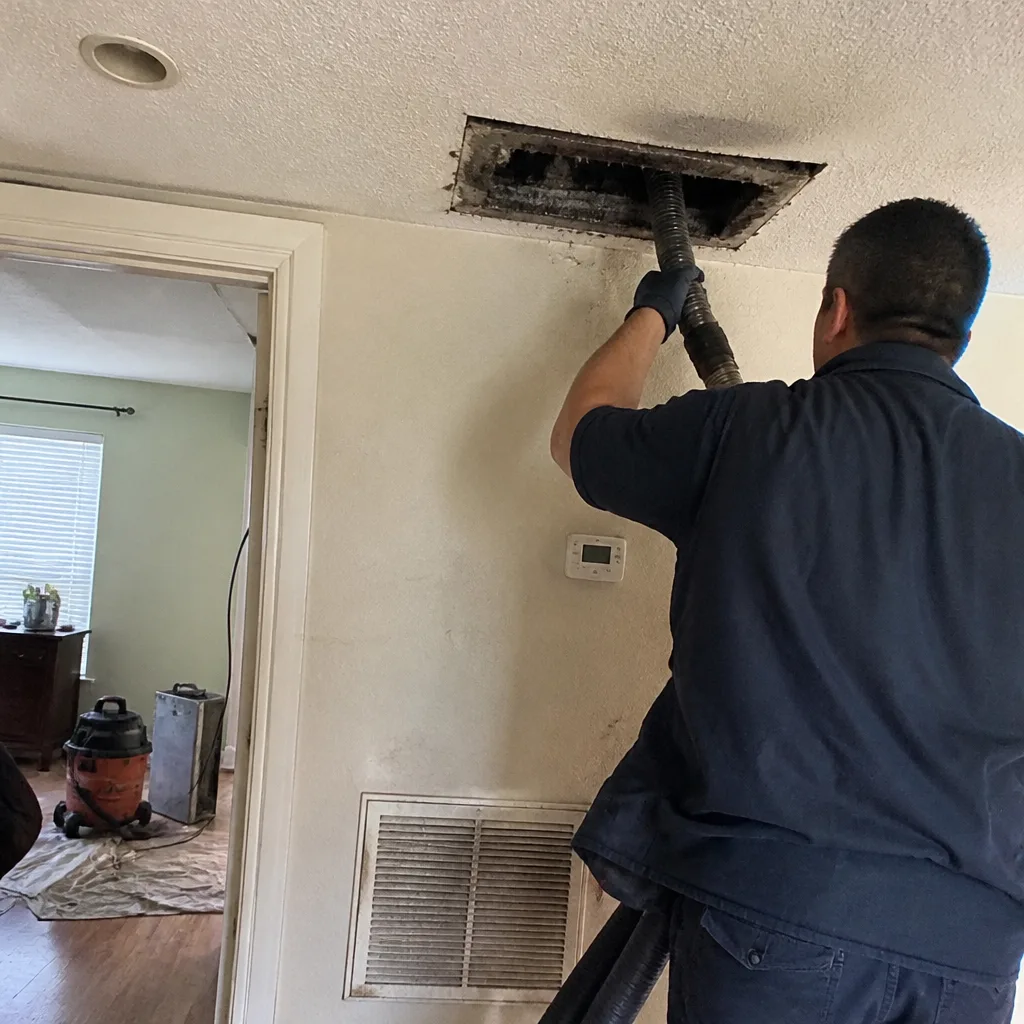 Before
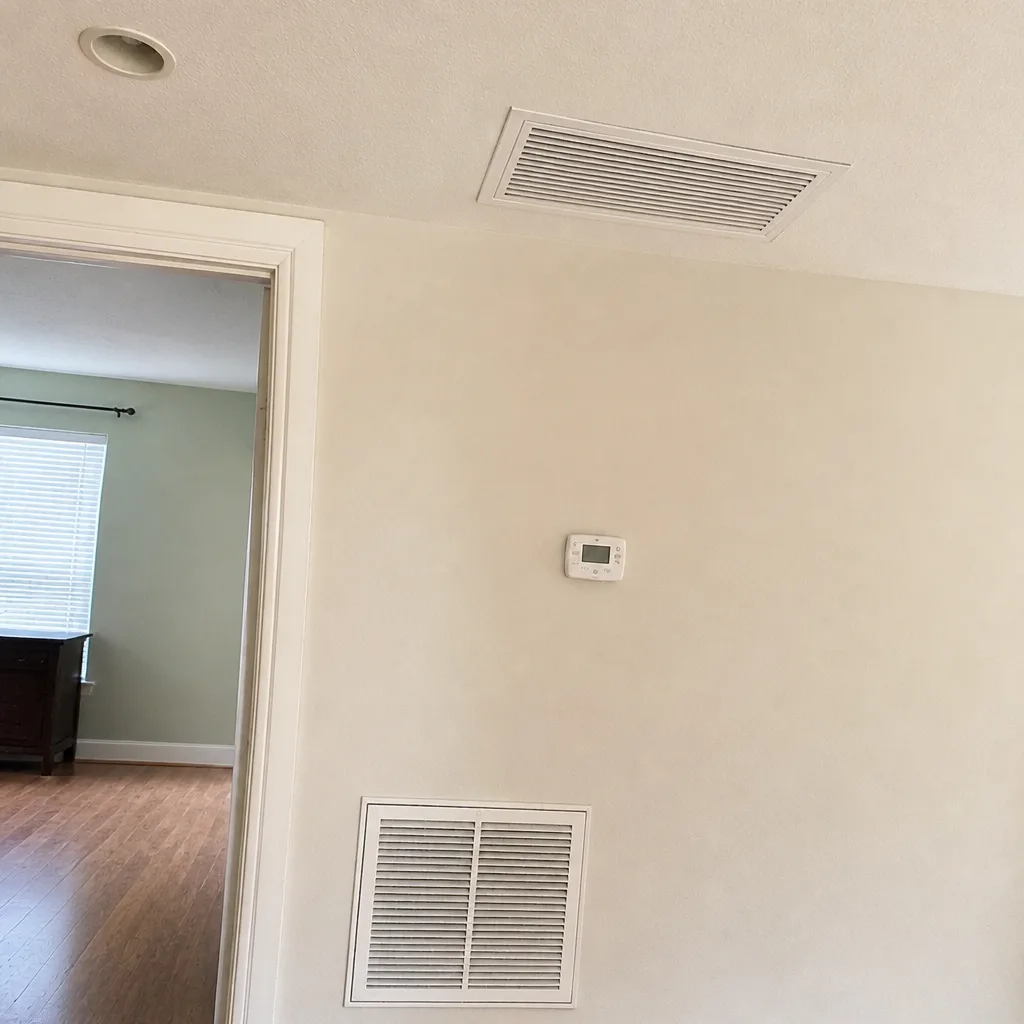 After
When to Call a Professional
Call a professional when your checklist produces any of the three camera-scope triggers above, when you see a damaged or disconnected duct in the attic, or when your annual photos show visible progression at multiple grilles. Call before a remodel that opens ductwork, before installing a new whole-home air quality system with Hon-eywell or Aprilaire (cleaning first, so the new system isn’t working on top of a dirty one), and after any significant smoke event in the region. In our experience, an annual check is cheap; a discovery of a collapsed duct after a season of weak airflow is not. Duct Cleaning Vacaville offers free estimates in Vacaville – call (888) 293-3839. We answer 24/7. Fast dispatch from 7am to 7pm, Sunday through Friday.
Frequently Asked Questions
For most Vacaville homes, a professional cleaning every three to five years is a reasonable baseline, but the trigger should be what your checklist observations show, not a calendar. A pet household next to an active agricultural corridor with a return-side leak can warrant more frequent attention; a newer sealed home with no pets often needs less. The checklist is what tells you which side of the range you’re on, and a camera scope confirms it. Call (888) 293-3839 for an exact quote – estimates are free.
Pricing for a whole-system cleaning is set per job by a written estimate after we see the system – the number of registers, the number of systems, and whether repair is needed all change it. We don’t quote per vent, and we don’t use a teaser coupon that becomes a much larger invoice once the technician is on site. That’s the industry’s bait-and-switch pattern, and it’s the reason we put one flat price per system in writing before work starts. Call (888) 293-3839 for a free estimate on your Vacaville home.
Cheap quotes usually reflect a smaller scope, not a better price. A quote that shows up with a shop vac and a hose is not performing the same job as a crew with rotary brush equipment – the equipment difference is what separates “we vacuumed the visible grille” from “we cleaned the interior of the trunk line.” The other common pattern is a low advertised price that becomes a much larger invoice after the technician is on site. A written, flat per-system price before work begins is the only reliable comparison. Call (888) 293-3839 and we’ll talk through the scope before you commit.
You’ll know from two things: the interior photos you took yourself during your annual baseline, compared against photos taken after the work, and the before-and-after photos of your own ducts taken during the service. Ask for both. Any crew unwilling to show you the interior condition before and after didn’t do the job you paid for. Call (888) 293-3839 for an exact quote – estimates are free.
Yes. The long dry season, wind events, nearby agriculture and autumn smoke season all load a system in ways a national filter-replacement schedule doesn’t account for. That’s why the seasonal checkpoints in this guide – post-smoke in October, pre-summer in March, post-harvest in October-November – are keyed to this region. A Vacaville home’s checklist is not the same as one written for a colder, more humid climate. Call (888) 293-3839 for an exact quote – estimates are free.
We clean and repair – both are within our scope, so a camera scope that finds a broken joint or a disconnected flex run doesn’t leave you with a list of things to fix somewhere else. The sequence is repair first, clean second, verify. That’s the advantage of a full-scope company; the alternative is a cleaning crew that leaves without repairing what they find. Call (888) 293-3839 to talk through what your system needs.
The Bottom Line
Air duct maintenance in Vacaville comes down to a few things. Record observations monthly so you have real data. Photograph each register once a year so you have a baseline. Tie your seasonal checks to this region’s actual triggers – smoke season, spring pollen, harvest dust – instead of a national template. Replace filters on your own loading pattern, not the number on the box. And when uneven airflow, visible debris at multiple grilles, or a persistent odor appears, escalate to a professional camera scope rather than another filter change. The checklist tells you when to stop watching and start investigating. If that moment has arrived, we’re here for a real equipment-based cleaning or the repair that makes it stick. Call (888) 293-3839 for a free estimate in Vacaville. We answer 24/7. Fast dispatch from 7am to 7pm, Sunday through Friday.
Written by the team at Duct Cleaning Vacaville.