
Last updated November 15, 2026
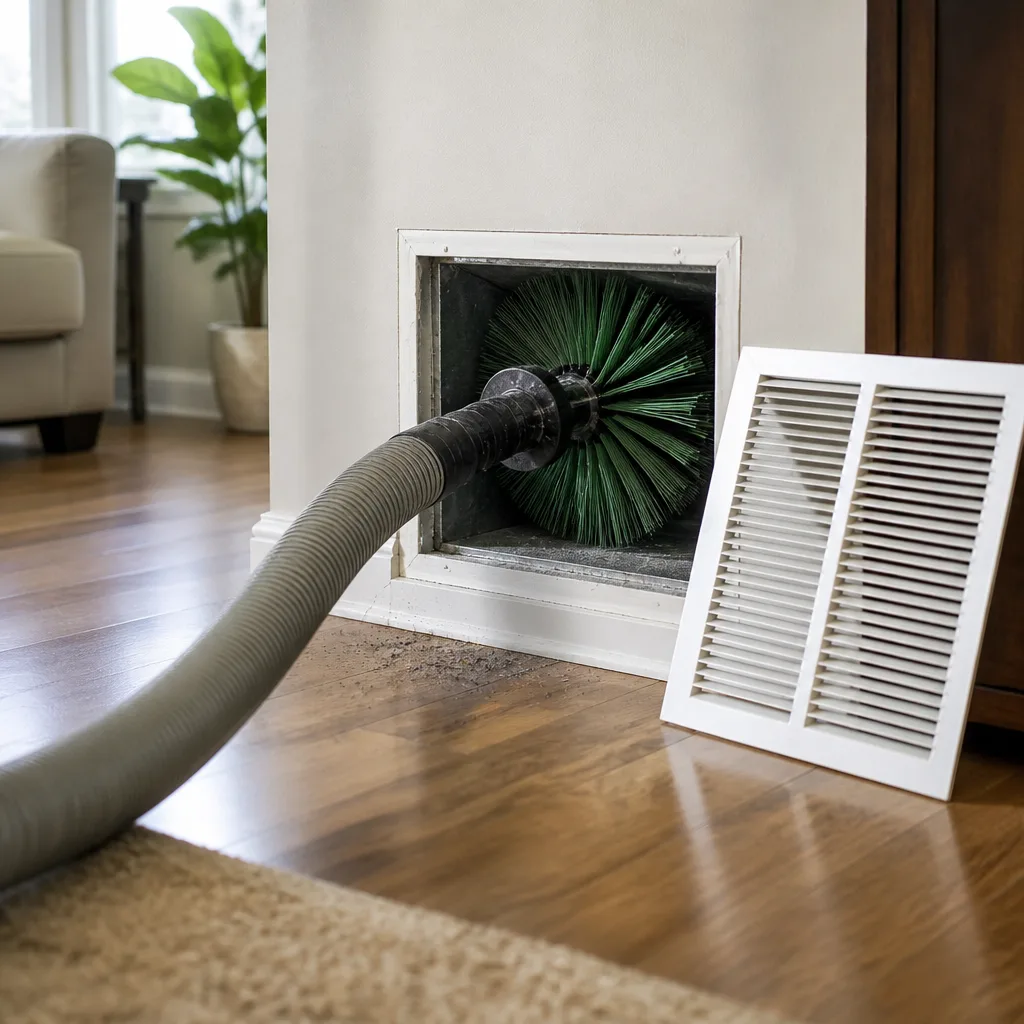 Whole-home duct cleaning
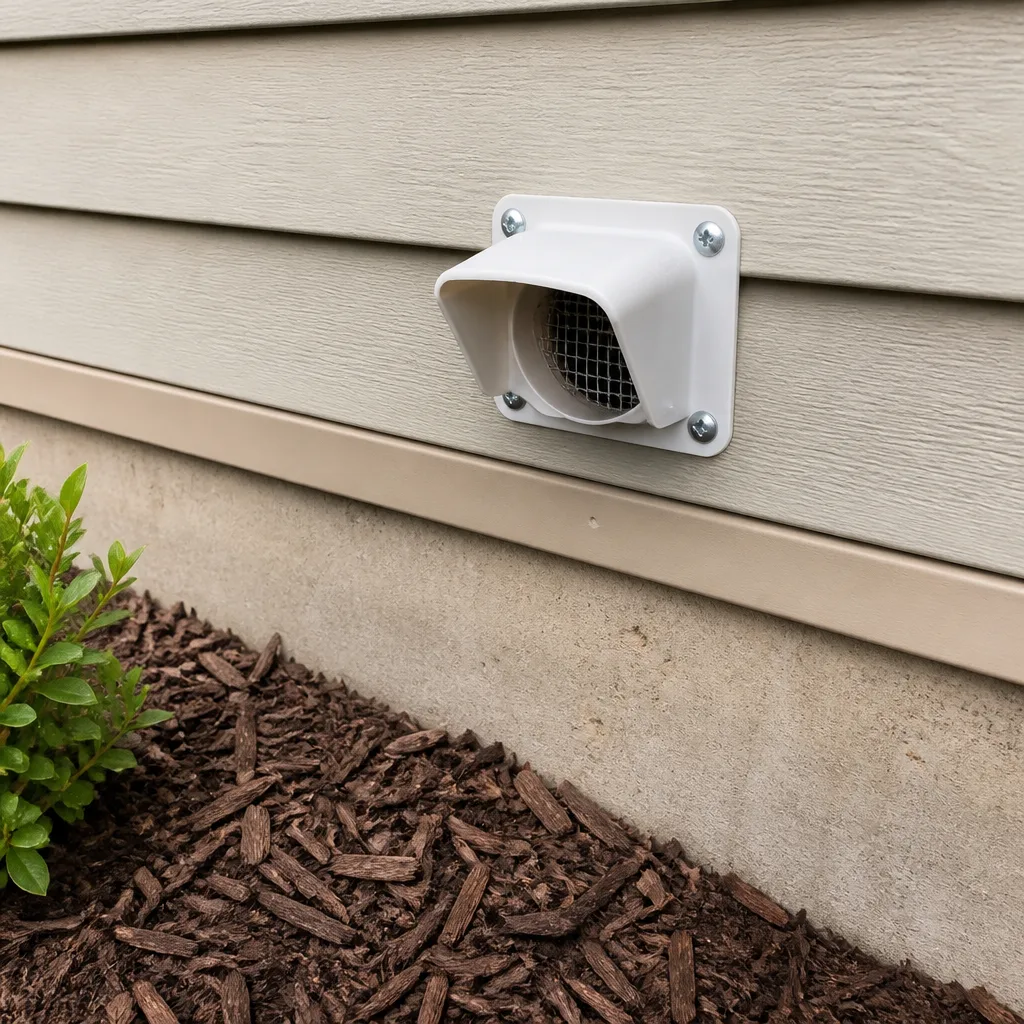 Dryer vent cleaning
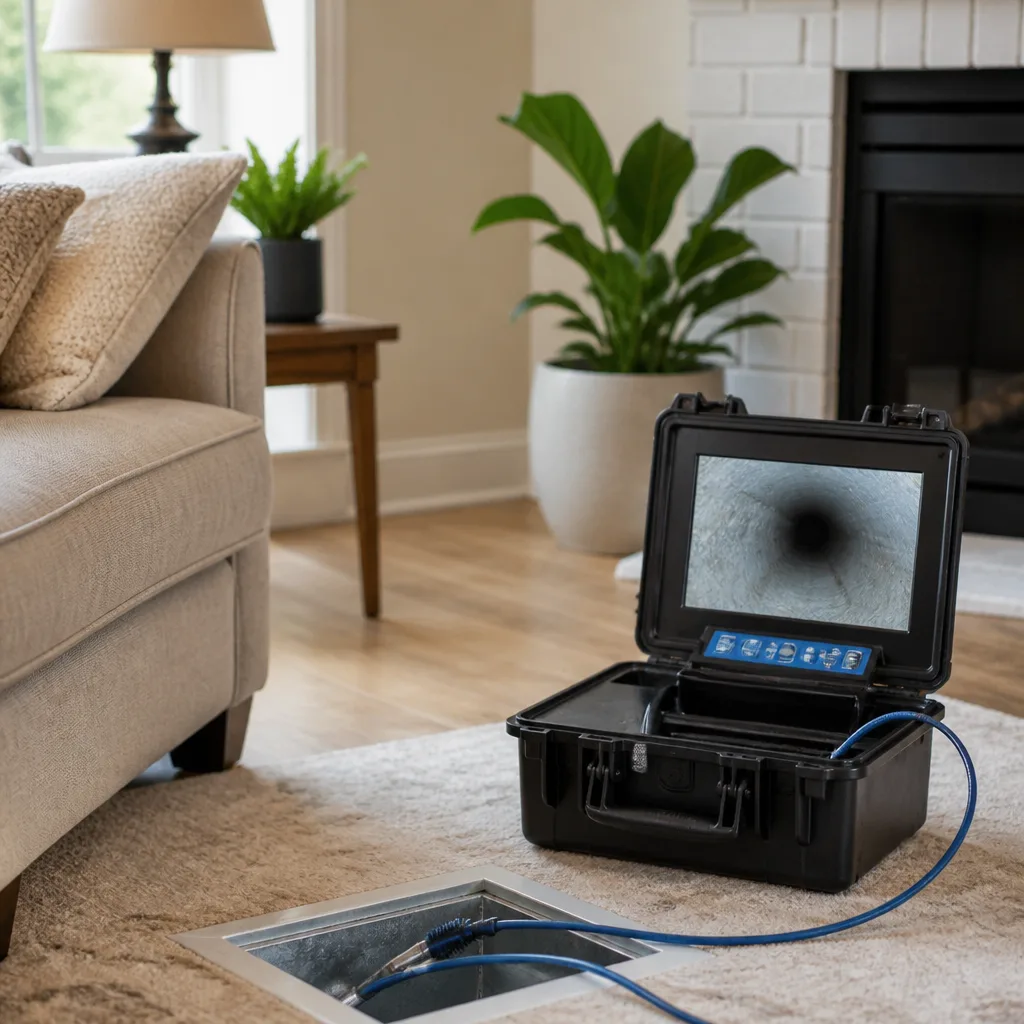 Camera inspection
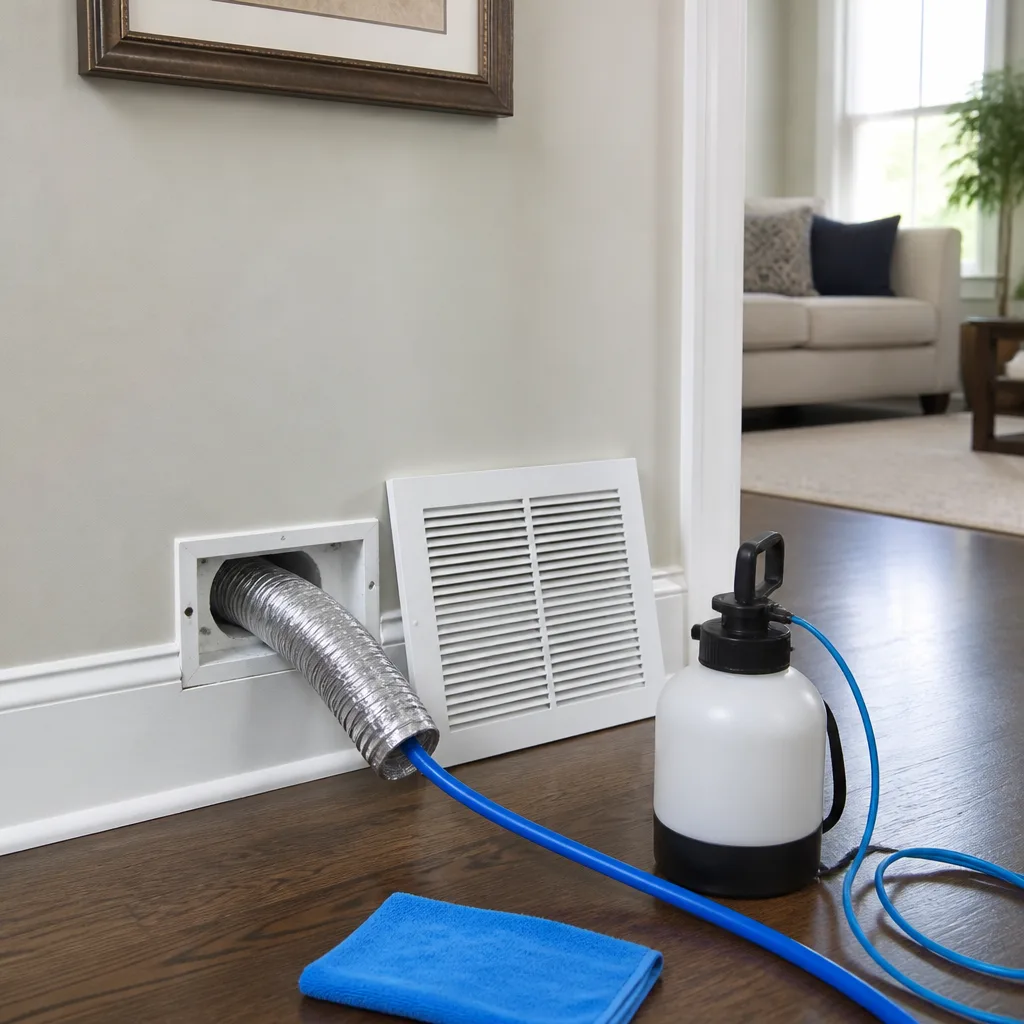 Sanitizing & deodorizing
Whole-system duct and dryer vent check with before-and-after photos - you see exactly what came out of your vents
That "$99 whole-house special" is a bait ad - the real number appears once they are in your hallway, or the "clean" is a shop-vac at the register. We photograph the inside of your ducts before and after instead.
Air Duct Cleaning Emergency Preparedness Guide for Vacaville Homes
Most homeowners think about their ductwork only when something sounds wrong or smells off. That’s backward, and it costs them at the worst possible moment. In a region where wildfire smoke and seismic shaking are real annual possibilities, the condition of your ducts before an emergency matters more than the cleaning you schedule after one. A homeowner who can prove what their system looked like on a quiet spring afternoon has options a panicked neighbor doesn’t. This guide covers how to build that record now, what to do in the first hours of a smoke event or earthquake, and how to spot real remediation work in a market full of surface cleaners. If you live in Vacaville, the specifics here are written for your housing stock and your air.
Quick Answer
Emergency-ready ductwork in Vacaville comes down to three moves: document your system’s baseline condition before anything happens, shut the system down during a nearby fire and wait for a professional assessment rather than guessing, and after an earthquake treat any flex-duct system in a crawl space or attic as suspect until it’s inspected. Documented before-and-after evidence is what separates a clean insurance claim from a disputed one. A professional-grade cleaning from a company using rotary contact equipment and remediation-level air filtration, not a shop vac, is the benchmark to hold any post-event contractor to.
Styles & brands we work with
- Whole-home duct cleaning
- Dryer vent cleaning
- Camera inspection
- Sanitizing & deodorizing
Table of Contents
- Why Baseline Documentation Matters Before an Emergency
- How to Document Your Duct System: A Step-by-Step Checklist
- Wildfire Smoke Protocol: What to Do During and After a Fire Event
- Earthquake Response: When Flex Ducts Disconnect and How to Inspect
- Choosing a Contractor When Demand Spikes
- The Air Quality Testing Question After an Event
- Warning Signs Your Ducts Need Attention Right Now
- Building a Year-Round Preparedness Routine
Why Baseline Documentation Matters Before an Emergency
Ductwork is invisible. It runs through spaces most homeowners never enter, and it rarely announces a change in condition until airflow drops or an odor appears. That invisibility becomes a serious problem the day you need to file a claim. An adjuster looking at a system with a decade of dust and a system that just took in smoke see the same thing: a dirty duct. Without a before-state, you can’t show the difference.
The principle is simple. Insurance handles damage, not deferred maintenance. If a wildfire smoke event pushes ash and fine particulate into your return system, the contamination is damage. But if the ducts were already loaded with construction debris from a remodel or years of accumulated dust, the line between pre-existing condition and new damage gets blurry fast. Homeowners with photographs, measurements, and a written record of the system’s condition argue from strength. Homeowners without them argue from memory.
This matters more in Vacaville than in a lot of California towns because of two overlapping risks. Wildfire smoke from regional fires can blanket the valley for days, pulling particulate into every return grille in the house. And the region’s seismic activity means a shaking event can physically move ductwork, especially the flexible sections that run through crawl spaces and attics in much of Vacaville’s residential housing. Each of those scenarios produces a claim question. Each question is easier to answer with documentation.
We’ve seen enough post-event assessments to know the pattern: the homes that recover cleanly are the ones whose owners can say, with evidence, “here is what my system looked like before.” A few hours of preparation in a calm month does that work. It costs almost nothing.
What “Baseline” Actually Means
Your baseline is a dated record of the system as it sits today, before any emergency. It doesn’t require a full professional inspection, though a professional report helps. It requires photographs, measurements, and notes that an adjuster or a contractor can interpret. The next section breaks it into steps.
How to Document Your Duct System: A Step-by-Step Checklist
Build the record on an ordinary day, not during a smoke advisory. Give yourself an hour with a phone camera, a tape measure, and a notepad. Everything below is safe to do yourself because none of it involves opening the system or handling the blower or wiring.
- Photograph every accessible grille. Take a wide shot of each supply and return opening in place, then a close shot of the inside of the grille with a flashlight. Note which room each grille serves. Returns matter most because that’s where contaminants enter the system.
- Record the equipment. Photograph the air handler or furnace nameplate, the model and serial numbers, the filter size and type, and the thermostat. If you have a whole-home air quality system such as a Honeywell or Aprilaire unit, photograph that too, including any filter part numbers.
- Measure airflow at each register. A simple handheld anemometer or a piece of tissue held at the grille gives you a comparable reading. Write down what you observe at each supply and return. This becomes your airflow baseline.
- Photograph the accessible duct runs. In an attic or crawl space, photograph the visible flex duct runs and note any disconnected joints, crushed sections, or sagging spans. Don’t crawl into tight spaces or step off safe surfaces; if it isn’t accessible, note that.
- Note the details that change with time. Record any recent remodel work, roofing, or construction near the house, and the date of the last filter change. Construction dust travels through ductwork and settles; knowing when a remodel happened explains a lot.
- Store it where you’ll find it. Keep the photos and notes in a folder you’d check during a claim, alongside your insurance policy documents. Date the whole set and add a one-paragraph written summary of the system’s condition.
A professional pre-event inspection adds an interior look at the duct runs and a written report you can hand to an adjuster. That step is worth considering if you live near the wildland edges of Vacaville or in a home with a crawl-space duct system. Either way, a dated photo set beats nothing by a wide margin.
Wildfire Smoke Protocol: What to Do During and After a Fire Event
When a fire is burning anywhere in the region and smoke is settling over Vacaville, the single most important thing you can do is stop your HVAC system from pulling outdoor air through the house. A running system circulates air, and during a smoke event, that air is loaded with particulate. Turn the system off at the thermostat and seal up.
The instinct to keep the house comfortable is strong. Resist it. Smoke particulate is fine enough to pass through standard filters, and running the fan while the outdoor air quality is poor does two things: it moves smoke into the house, and it drives that smoke into the duct system, where it can settle on interior surfaces. Once it’s on duct walls, it isn’t something a filter change fixes.
During a Nearby Fire Event
- Turn off the HVAC system at the thermostat and leave it off until the immediate smoke clears.
- Close windows and doors, and use a portable air cleaner in the room you use most if you have one.
- Don’t run exhaust fans, kitchen or bath fans, that push air out and pull outside air in.
- Avoid running the dryer, which exhausts air and creates the same pressure pull.
After the Smoke Clears
How long to wait depends on the event, not a fixed number of days. A brief smoke excursion over a few hours is different from a multi-day blanket event. The practical rule: don’t restart the system until outdoor air quality has returned to normal and stayed there. Then change the filter, note the date, and assess.
Self-assessment has limits. You can smell smoke and you can see soot at a grille, but you can’t see what settled on the interior of a duct run or how much particulate loaded the return system. If the home smelled of smoke during the event, if you saw visible ash on surfaces, or if the smoke lasted more than a day or two, get a professional assessment before you decide the ducts are fine. A cleaning using rotary contact equipment and remediation-level air filtration, which is what a proper post-smoke job requires, isn’t a filter swap. It’s a full pass through the system.
This is where pre-event documentation pays off. A dated photo set from before the fire makes the case for damage straightforward. If you want to talk through what a post-event assessment covers in your home, call (888) 293-3839. We answer 24/7, with fast dispatch from 7am to 7pm, Sunday through Friday.
Earthquake Response: When Flex Ducts Disconnect and How to Inspect
A shaking event can move ductwork in ways a homeowner never sees. In much of Vacaville’s residential housing, sections of the duct system run through the attic and crawl space using flexible duct. Flex duct is forgiving in normal service, but it’s also the first thing to fail in a seismic event. Joints pull apart, sections crush against framing, and connections at the air handler or trunk line separate.
A disconnected flex joint is a real problem, not a cosmetic one. It leaks conditioned air into the attic or crawl space, which raises energy costs. Worse, a break on the return side can pull air from a crawl space or attic directly into the living areas of the home, along with whatever else is in that space. And a separated joint can let debris into the system. Treat it as a safety issue, not a comfort issue.
The Inspection Sequence After Shaking
- Don’t run the system. Leave the thermostat off until the system has been checked. Skip this and you risk pulling contaminated air into your living space.
- Look for obvious signs of disruption in the living space. Grilles that have shifted, fallen, or pulled loose from drywall are a signal that the ductwork behind them may have moved.
- Check the air handler area for visible separation. If you can safely see the connection points at the furnace or air handler, note any separated joints. Don’t reach into the equipment or handle wiring.
- Look at the accessible duct runs. In an attic or crawl space you can enter safely, check for flex duct that has pulled off a boot, crushed against framing, or come loose from the trunk. Note what you see, don’t try to fix it.
- Call for a professional inspection. A technician will check the full system, including the interior of runs, and confirm the connections are intact before the system is safe to run. What looks fine at a grille may not be fine six feet back in the attic.
The reason this matters in Vacaville specifically: crawl-space and attic duct systems are the norm in local housing, and those are exactly the locations where shaking does its damage to flex connections. A homeowner who walks the house after an earthquake and hears the system struggling is probably hearing a separated joint. The fix is air duct repair, and it needs to happen before the system runs again.
Fixing a joint isn’t a matter of taping a piece of flex back on. It needs proper materials, proper sealing, and a check that the rest of the system is sound. We perform air duct repair alongside cleaning, so a broken joint and a contaminated system can be handled together instead of on two separate service calls.
Choosing a Contractor When Demand Spikes
After a regional emergency, demand for duct work goes up sharply, and so does the number of contractors offering it. Some are doing legitimate post-event remediation. Others are shop-vac operators who rebrand as restorers for a few weeks and bill accordingly. The difference matters because surface cleaning after a smoke event doesn’t solve the problem. It clears what’s visible and leaves the system’s interior as contaminated as it was.
Here’s how to tell them apart, based on what equipment they use, not what they say:
- Rotary contact cleaning equipment. Professional remediation uses a rotary brush system, like Rotobrush, that agitates the interior surface of the duct. A wand with a vacuum hose won’t reach the same territory. Ask specifically what equipment will enter your ducts.
- Commercial-grade vacuum units. Nikro equipment is built to commercial and remediation standards. A standard shop vac doesn’t pull enough air to remove fine particulate, and it doesn’t contain what it removes.
- Containment and air filtration. A properly equipped job uses an air scrubber, like an Abatement Technologies unit, to filter air while work is ongoing. That’s remediation-level containment, not a residential-only approach. Ask whether they use one, and what happens to the air during the job.
- Before-and-after documentation. A legitimate operation photographs the interior of your ducts before work and after. Ask to see your own before-and-after photos, not a portfolio of somebody else’s.
- A written price per system. The price is set by the written estimate, per system, agreed before any work starts. If the number moves once a technician is on site, that’s a warning sign.
You’ll also want someone who can fix what they find. A contractor who inspects your ducts, finds a separated joint, and has no repair capability will either leave it or flag it for someone else. Duct Cleaning Vacaville performs air duct cleaning and duct repair in one visit, so the loop closes on the whole system.
Our technicians have up to 13 years of experience and use professional-grade equipment from Rotobrush, Nikro, and Abatement Technologies. For a free estimate, call (888) 293-3839. We answer 24/7.
The Air Quality Testing Question After an Event
Cleaning after a smoke or seismic event is the biggest part of the job. Sometimes it should be followed by third-party indoor air quality verification, and that’s a step homeowners often skip. The reason it matters: your nose isn’t a reliable instrument. A home can smell clean and still have elevated particulate or volatile organic compounds circulating after a fire event.
When is testing worth doing?
- If anyone in the home has respiratory conditions, asthma, or allergies, and reports symptoms that don’t clear after cleaning.
- If the visual inspection during cleaning found significant soot or charring inside the duct system, not just dust.
- If the home was close to the fire line, or smoke sat in the house for an extended period.
- If an insurance claim hinges on proving the contamination reached the ducts, and the adjuster is asking for verification.
What tests are relevant? A post-cleaning assessment typically looks at particulate levels in the indoor air, pressure relationships between the duct system and the living space, and, in some cases, surface sampling inside the system. In the Solano County area, indoor air quality verification is generally performed by independent environmental testing firms, not by the cleaning contractor. The independence matters: the company that did the work shouldn’t be the only voice confirming the work was done. Look for a firm holding recognized indoor air quality credentials and confirm in writing what they’ll sample and where.
Reasonable sequencing: clean, wait a short period for the home to settle, then verify with an independent tester if the conditions above apply. We don’t perform third-party air quality verification ourselves, and a legitimate contractor should be comfortable with that separation.
If you need a starting point on the cleaning side, Duct Cleaning Vacaville handles the cleaning and repair work, and we can walk through what to expect before testing. Call (888) 293-3839 for a free estimate.
Warning Signs Your Ducts Need Attention Right Now
Not every problem waits for an emergency. Some duct conditions are urgent on their own, and recognizing them early saves you a bigger job later. These are the signals worth acting on rather than postponing.
- A persistent musty smell that returns after cleaning. Odor that comes back points to a source inside the system, not on the floor. It usually means moisture, dust, or debris somewhere the surface clean didn’t reach.
- Visible dust trails at the grilles. A thin line of dust streaking from the grille edge usually indicates a leak or a loose connection behind the grille.
- Uneven airflow room to room. If one room always runs hot or cold compared to the rest, the duct serving it may be crushed, disconnected, or blocked.
- Rising energy bills without a clear cause. A leaking duct system loses conditioned air into the attic or crawl space, and you pay for it twice.
- Visible debris or vermin evidence at any opening. This is a genuine health concern and merits a professional inspection.
- Recent remodeling or roofing. Construction dust is fine particulate that settles into the system, and it’s the reason to schedule a cleaning.
- Smoke odor that lingers weeks after a fire event. Odor that persists is a sign the system’s interior took in contamination and needs professional cleaning, not another filter.
If you’re seeing more than one of these, it’s worth a professional look before the next emergency tests the system. Small problems compound.
Building a Year-Round Preparedness Routine
Preparedness isn’t a single task. It’s a few habits that overlap with ordinary home maintenance. The good news is that most of it costs almost nothing and takes an hour a year.
- Keep your baseline record current. Update the photo set after any HVAC change, remodel, or system repair. Note the dates.
- Change filters on schedule. A clean filter is the first line of defense during a smoke event. Keep one spare in the house so you’re not shopping during an advisory.
- Know your shutoff. Locate the thermostat control and know how to shut the system off, and where the system’s access points are. This saves time in a smoke event.
- Schedule a cleaning after any construction activity. Remodels, roofing, and additions generate dust that ends up in the system.
- Include the dryer vent in your maintenance plan. Lint buildup in a dryer vent is a leading cause of residential fires, and the ductwork behind it needs to be cleared. dryer vent cleaning is part of our service scope because it’s a fire-prevention task, not an afterthought.
- Track the local hazard calendar. Vacaville’s wildfire season and the region’s seismic activity are the two events most likely to challenge your ductwork. Note the dates and check the system after each.
Homeowners in Vacaville who live near the edges of the valley or in older homes with attic and crawl space duct runs have the most to gain from this routine. Every Vacaville home is different, but the preparation is similar: document, protect, and inspect after the event.
Common Mistakes to Avoid
- Running the HVAC during a smoke event. This pulls smoke into the system and drives it into the duct walls. Shut it off and wait for clear air.
- Not documenting the system before an emergency. Without a before-state, you can’t easily prove what changed. A photo set from a normal day is worth more than an anxious claim file.
- Assuming a filter change is cleaning. Filters catch larger particulate. They don’t remove what settles inside a duct run. The two are different jobs.
- Hiring on price alone after a regional event. A shop vac and a flashlight cost less. So does the cleaning they leave behind. Ask what equipment enters the system, and whether it includes an air scrubber.
- Running the system after an earthquake without inspection. Separated flex joints pull air from the attic or crawl space into the living space. Have it checked first.
- Accepting a price that changes on arrival. A professional estimate is written per system and agreed before work starts, not revised once the technician is inside.
- Skipping the dryer vent. Lint buildup in the dryer vent is a documented fire-prevention concern. Appliance lint isn’t the issue; the duct behind the dryer is.
See the difference
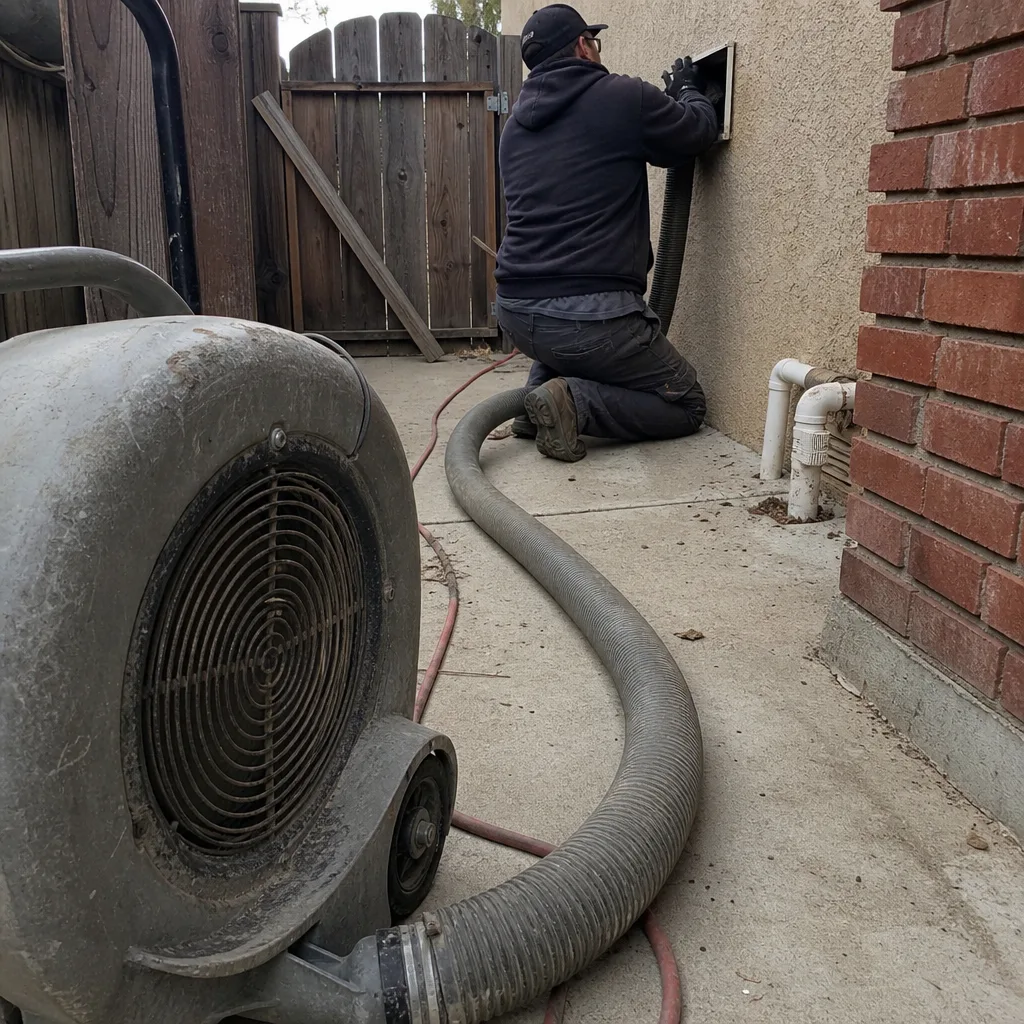 Before
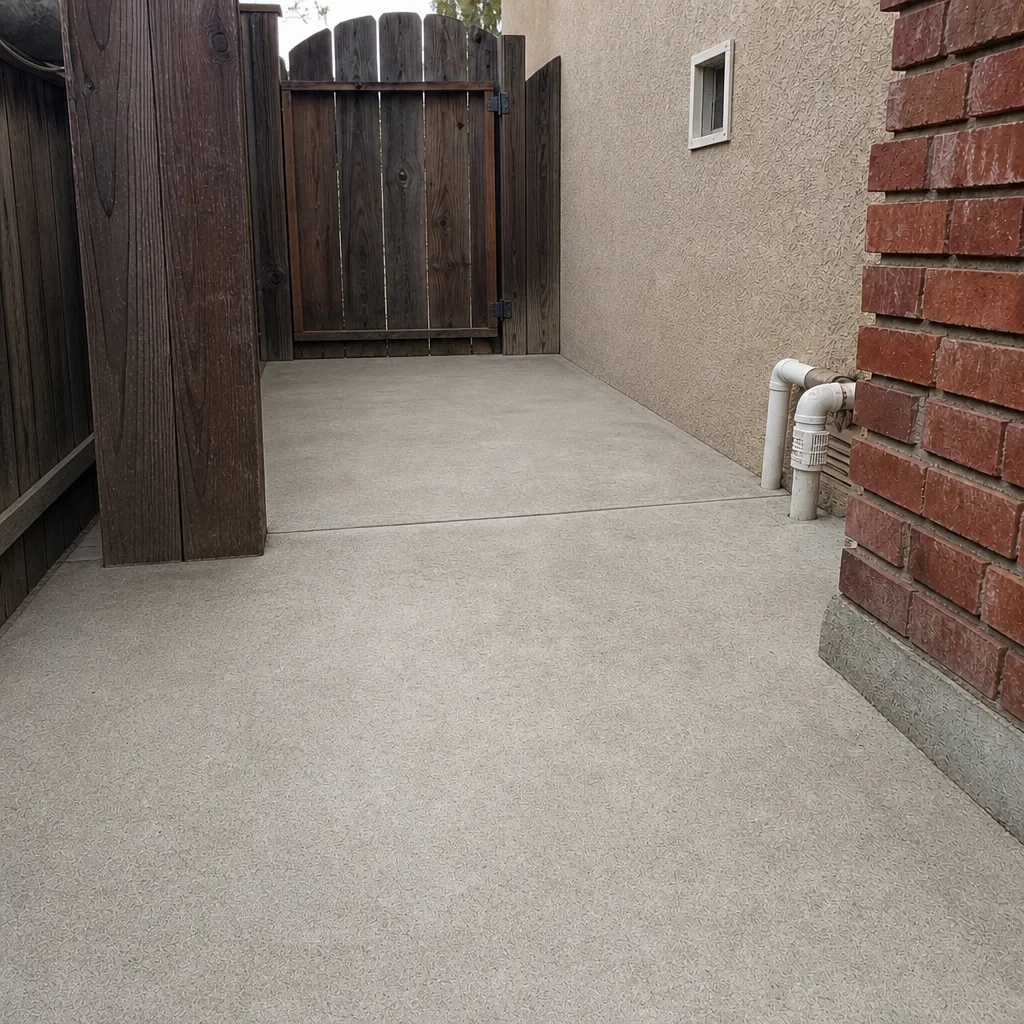 After
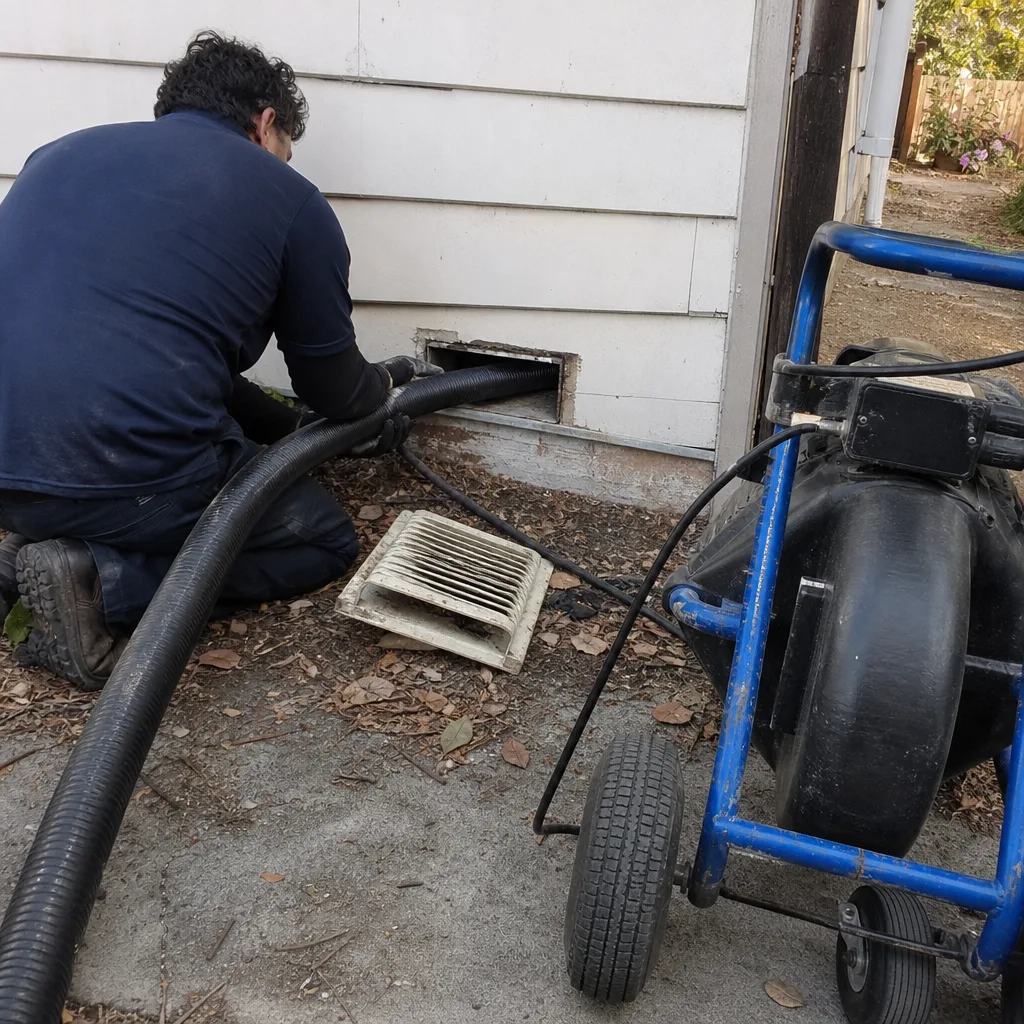 Before
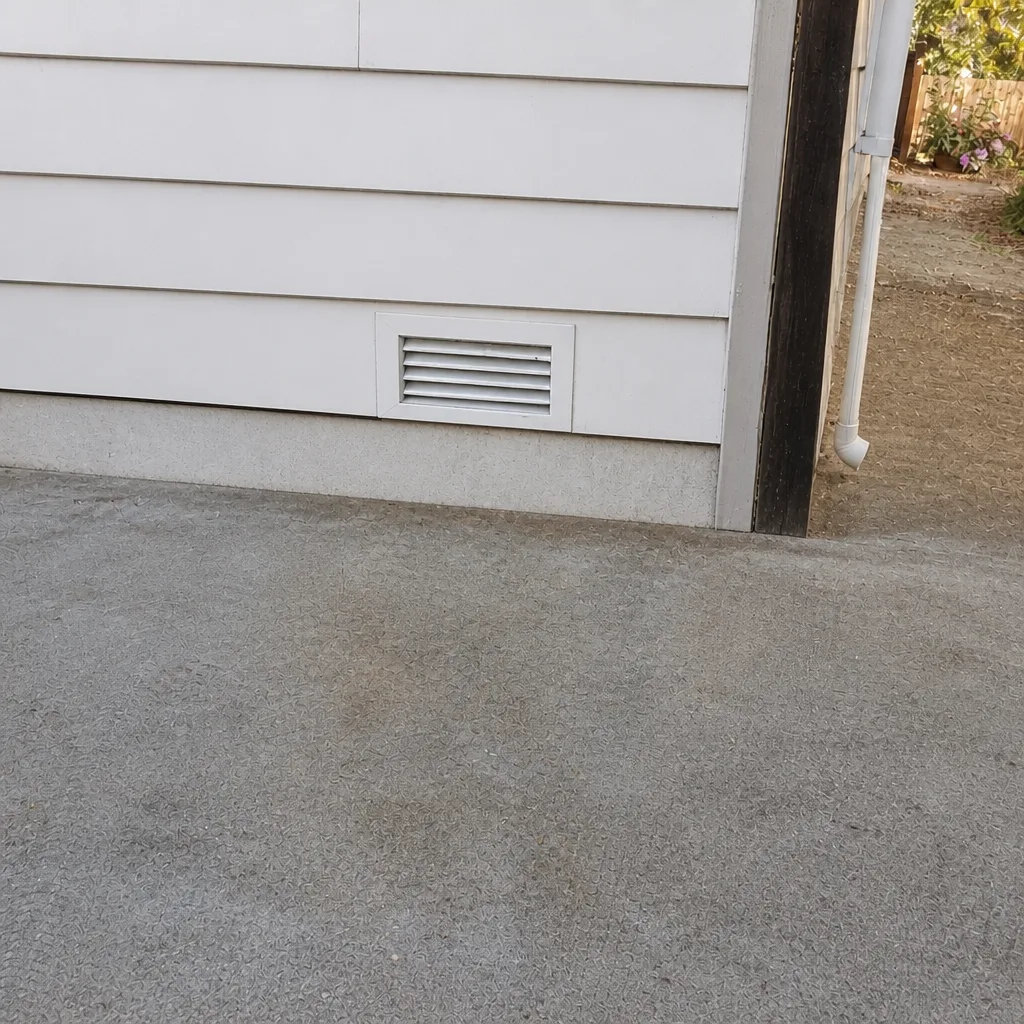 After
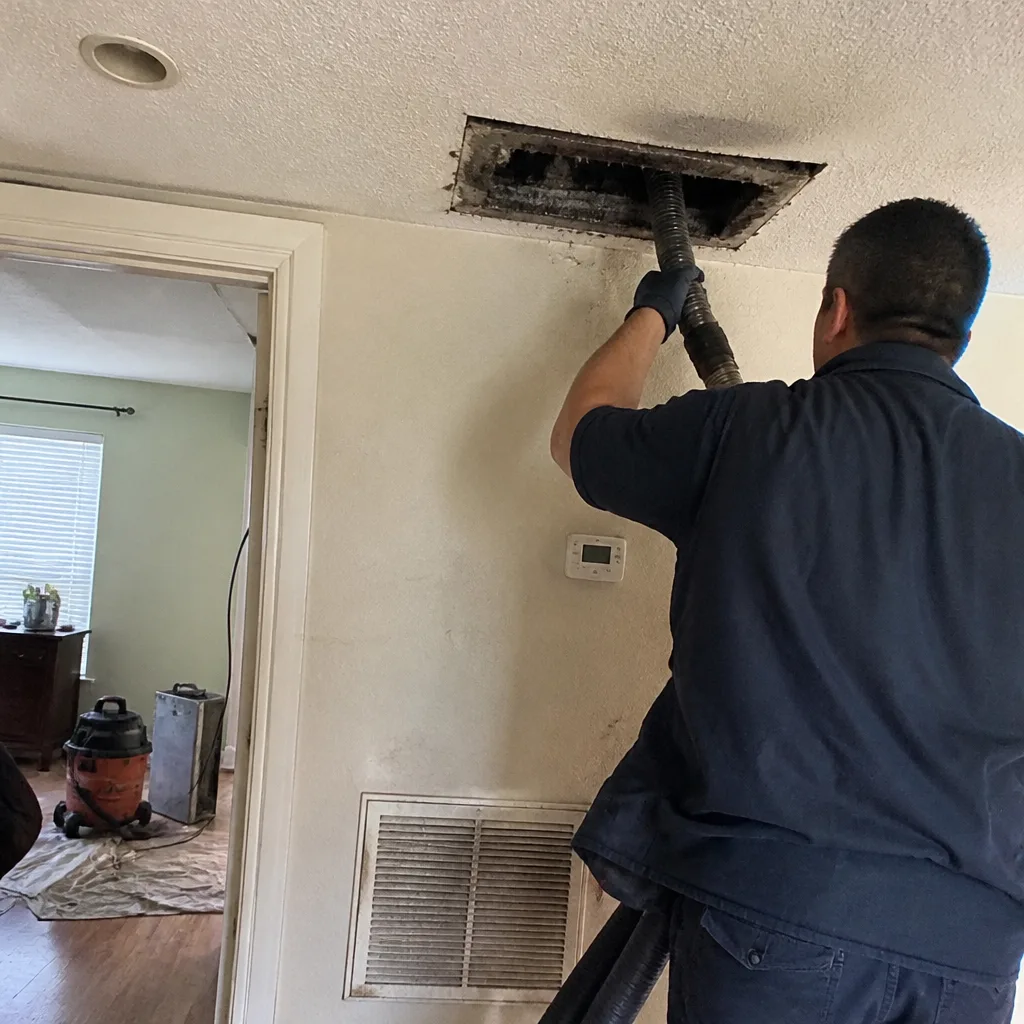 Before
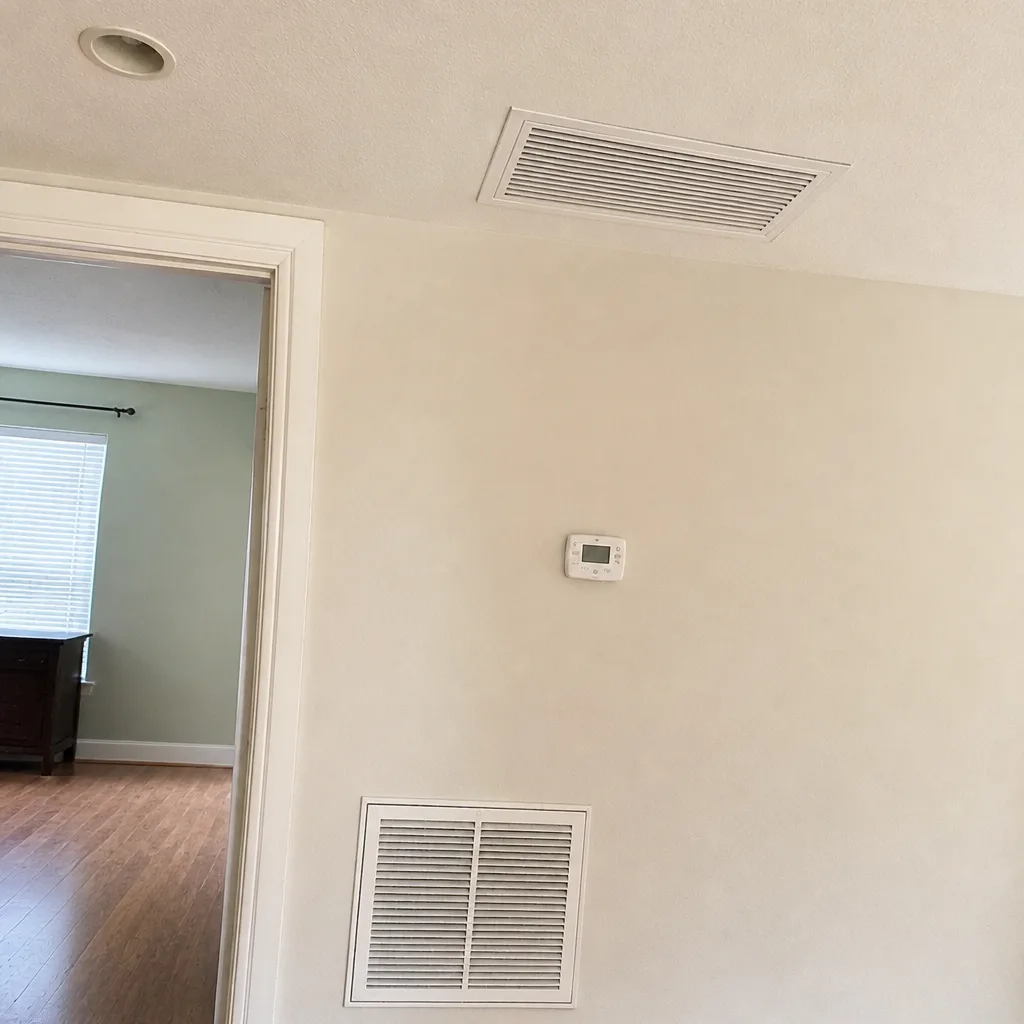 After
When to Call a Professional
Some duct jobs are do-it-yourself adjacent, and some aren’t. If you’ve had a smoke event in the region, if you’ve felt a felt an earthquake and the system runs at any point afterward, or if you’ve found a separated joint, call before you run the system again. If you have persistent odors, visible dust patterns at the grilles, or uneven airflow, those are signs worth looking at professionally rather than waiting. A proper assessment looks inside the duct runs and at the connections, not just at the grilles. For homes in Vacaville with attic and crawl space systems, that interior look is where the real answer lives. Duct Cleaning Vacaville offers free estimates in Vacaville. We use professional-grade equipment and can clean and repair in a single visit. Call (888) 293-3839. We answer 24/7. Fast dispatch from 7am to 7pm, Sunday through Friday.
Frequently Asked Questions
Wait until outdoor air quality has returned to normal and stayed there, then assess. If the home smelled of smoke during the event, if visible ash settled indoors, or if the smoke sat in the house for more than a day or two, a professional assessment is warranted before you decide the system is clean. A filter change alone won’t address interior contamination. Call (888) 293-3839 for a free estimate.
No. Shut it off at the thermostat and keep it off while outdoor air is poor. A running system pulls smoke into the house and drives it into the duct system. Use a portable air cleaner in one room if you have one, and keep windows shut.
There’s no fixed calendar that fits every home. The conditions that matter are smoke events, seismic activity, remodels, and visible signs like odor or dust at the grilles. Many homes benefit from a cleaning around those events rather than on a year count. If you’re unsure, a professional assessment will tell you what condition the system is in.
Cost depends on the size of the system and the condition found during inspection, and the written estimate sets the final price. Duct Cleaning Vacaville prices per system, not per vent, and the number is agreed before work starts. Be cautious of teaser prices; they often grow once the technician is inside the home. Call (888) 293-3839 for a free estimate.
Cheap quotes usually reflect a different job. A shop vac and a hose isn’t the same as rotary contact cleaning with a commercial vacuum and containment filtration. The cheaper operation may clear what’s visible and leave the interior of the system untouched. Ask what equipment enters the ducts, and whether an air scrubber is used.
Ask to see your own before-and-after photos, not a portfolio. Our technicians photograph the interior of the ducts before and after work, and we’re happy to show you what we found. Call (888) 293-3839 to schedule a free estimate.
The Bottom Line
Emergency preparedness for your ductwork comes down to a simple idea: a documented system is a protected system. Photograph your grilles, equipment, and accessible duct runs on a quiet day and keep the record with your insurance documents. Shut your system off during a smoke event rather than running it, and wait for clear air before an assessment. After an earthquake, treat your flex-duct system as suspect until a professional inspection confirms it’s safe, because a separated joint is a safety concern, not a comfort one. And when demand spikes after a regional event, judge contractors on equipment and documentation, not price. We’re here when you need a real assessment: call (888) 293-3839 for a free estimate from Duct Cleaning Vacaville.
Written by the team at Duct Cleaning Vacaville.