
Last updated November 15, 2026
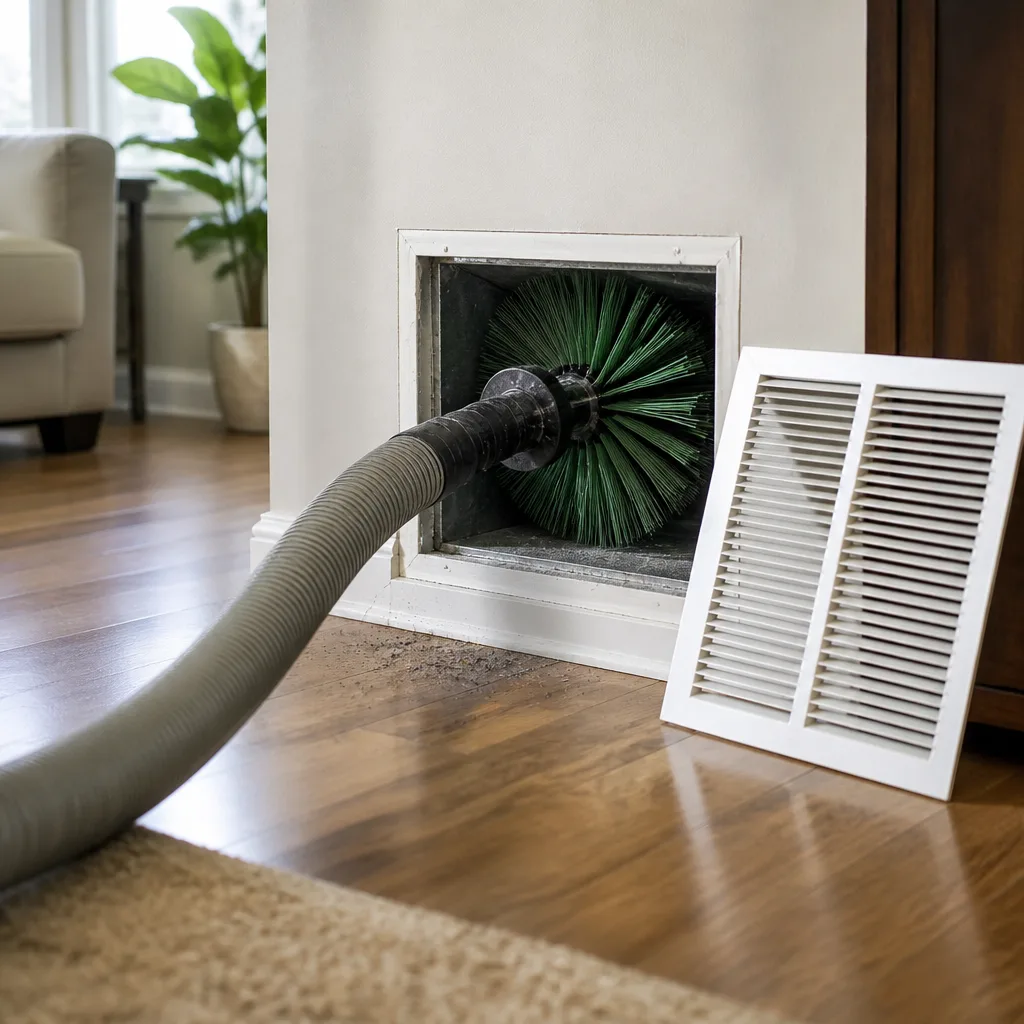 Whole-home duct cleaning
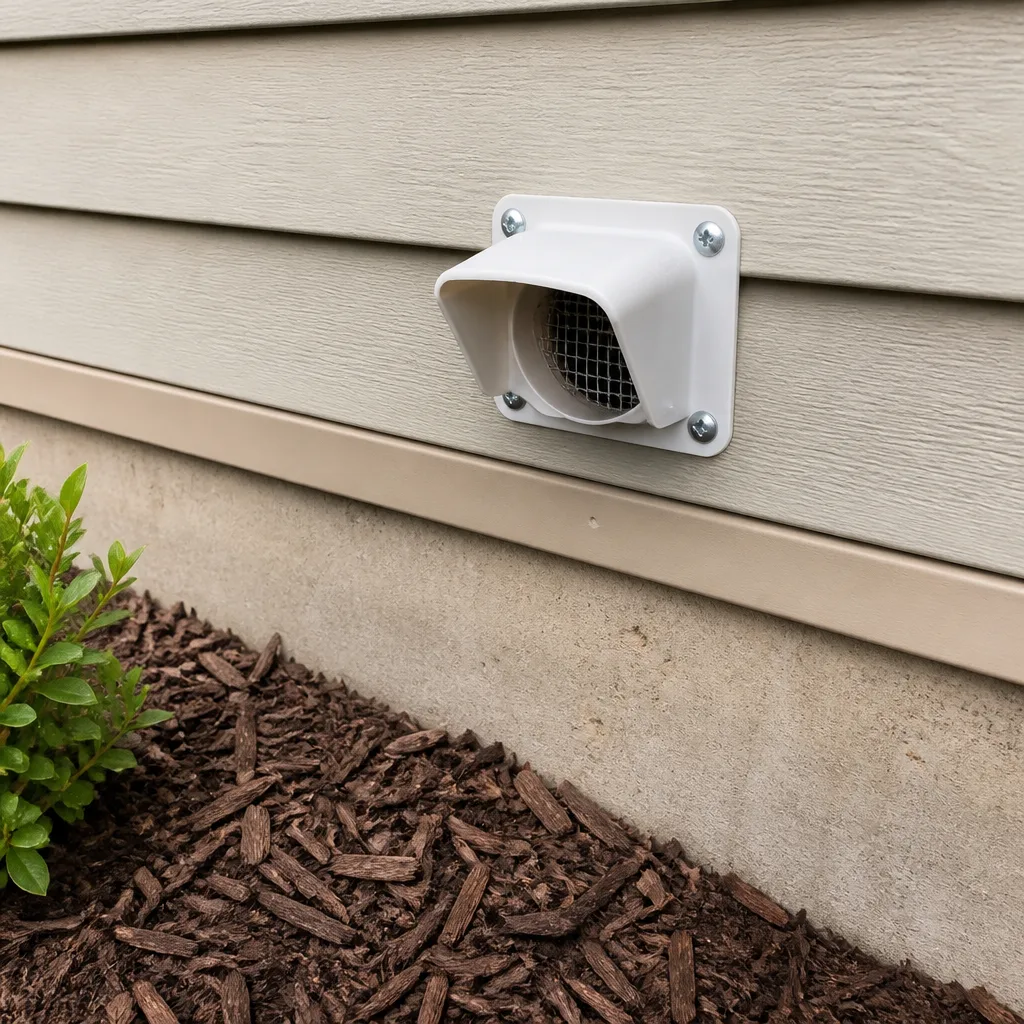 Dryer vent cleaning
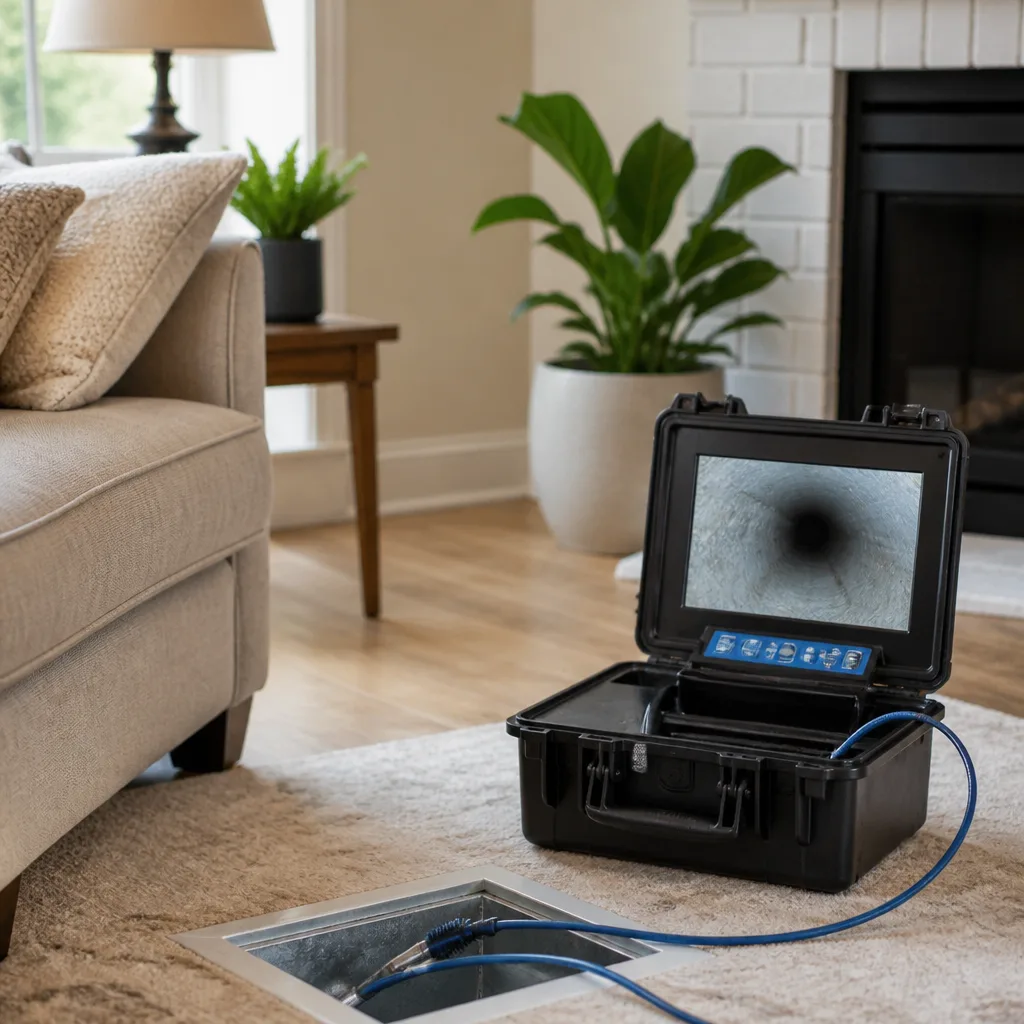 Camera inspection
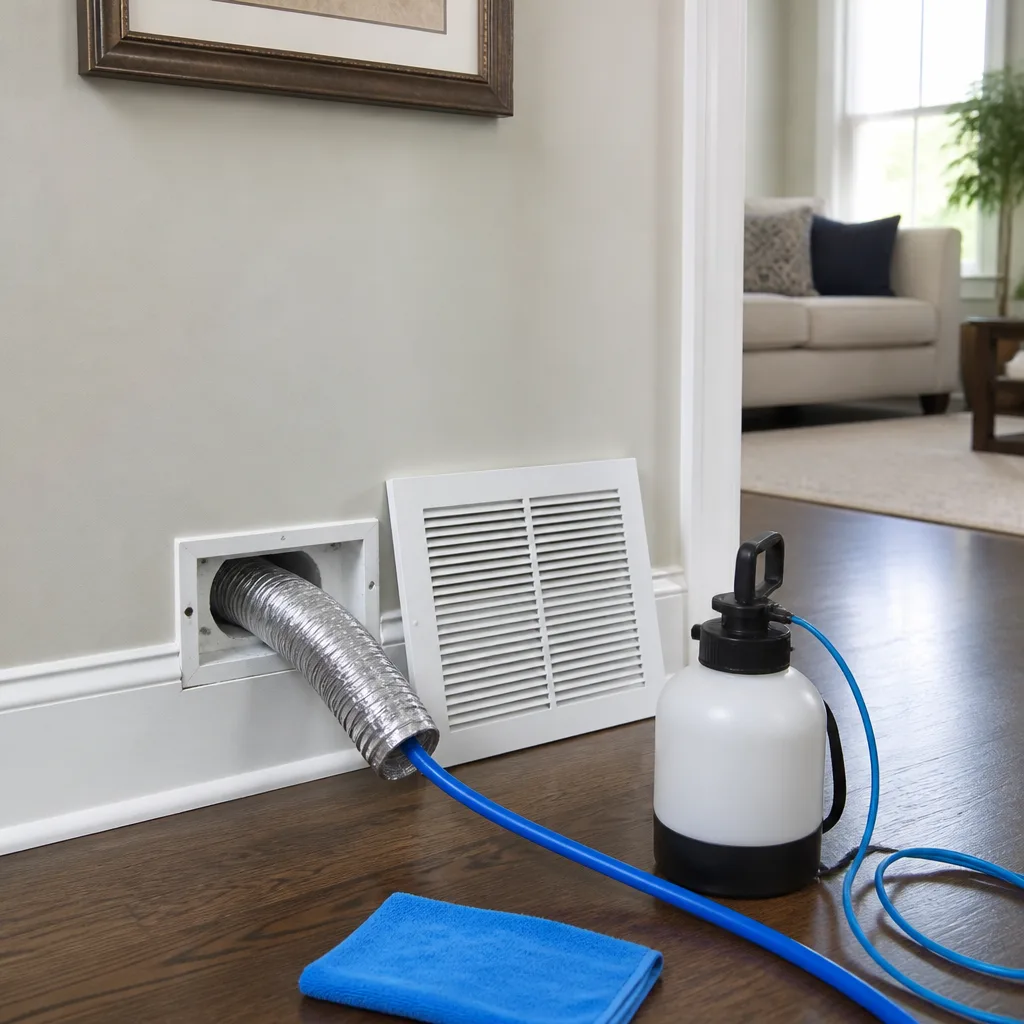 Sanitizing & deodorizing
Whole-system duct and dryer vent check with before-and-after photos - you see exactly what came out of your vents
That "$99 whole-house special" is a bait ad - the real number appears once they are in your hallway, or the "clean" is a shop-vac at the register. We photograph the inside of your ducts before and after instead.
Seasonal Air Duct Cleaning Care for Vacaville: Year-Round Homeowner’s Guide
Most duct maintenance advice you’ll find online assumes four neat seasons. Vacaville doesn’t work that way. Our year splits into two dominant stress periods for home air systems: wildfire smoke that settles over Solano County in late summer and fall, and agricultural dust that kicks up through spring harvest and again in autumn. Between them sit two quieter windows when the work is easier and inspections are more accurate. The question isn’t “should I clean my ducts in spring or fall?” In Vacaville, the answer depends on whether you’re getting ahead of wildfire season or catching up behind harvest. This guide walks through the real annual contamination calendar here, what each particulate type does inside ductwork, and how to time service so it actually does something.
Quick Answer
In Vacaville, the best time to schedule air duct cleaning is late winter into early spring (roughly February through April), before cooling season begins and before summer wildfire smoke arrives. If you’ve already had a smoke event push through your home, clean afterward rather than before, and don’t rely on a visual check at the registers to tell you whether work is needed. A camera inspection during the December-to-February recovery window is the most accurate way to know the real condition of your ductwork.
Styles & brands we work with
- Whole-home duct cleaning
- Dryer vent cleaning
- Camera inspection
- Sanitizing & deodorizing
Table of Contents
- The Vacaville contamination calendar
- Pre-summer prep: the March-April window
- Post-wildfire season: what to do after smoke gets in
- Winter efficiency: what blocked ducts cost you
- The December-February recovery window
- What professional equipment actually does
- Dryer vent cleaning: the other duct in your home
- When cleaning isn’t the answer and repair is
The Vacaville Contamination Calendar
Ductwork in Vacaville collects a specific mix of particles through the year, and the mix changes month by month. Naming what actually enters the system – and how each type behaves once it settles – helps you decide when a cleaning pays off and when it doesn’t. Here’s how the year typically breaks down in this area.
- Late winter and early spring (February-April): Pollen season starts early in Solano County. Tree and grass pollen is light and sticky, and it rides in on return-air flow from open windows and doors. This is also when agricultural dust from surrounding orchards and fields starts to lift as growers work the soil. Both particle types are fine enough to bypass basic register filters and to cling to duct walls rather than settle flat.
- Late spring and early summer (May-June): The transition period. Homeowners switch from heating to cooling, and the system runs in a new pattern. Construction dust from remodels and new builds around town also becomes a bigger factor, since Vaca Valley sees steady residential work through the warmer months. Construction dust is heavier and more abrasive than pollen, and it clumps where airflow slows.
- Summer and early fall (July-October): Wildfire smoke season. This is the highest-risk stretch for indoor air quality in Vacaville. Smoke particles are far finer than dust or pollen, and they penetrate the building envelope through gaps, soffits, attic vents and window seals. Once inside, they lodge in duct lining and on blower components in a way that a wipe-down of the register grill cannot address.
- Autumn harvest (late fall): A second agricultural dust window as harvest equipment runs through surrounding fields. Particles are similar in character to the spring dust load but often heavier, since wind and dry conditions persist.
- Winter (December-February): The recovery window. Heating season is on, windows are mostly closed, and outdoor particulate loads are lower. This is when a camera inspection gives the clearest picture of duct condition, without competing with emergency demand from a smoke event.
That’s the map. Most of the year-round guide is timing: which window you’re in and what makes sense to do before the next one arrives. If you want a broader overview of what cleaning involves, our air duct cleaning service page covers the basics.
Pre-Summer Prep: Why March and April Matter Most
The March-April window is the single most useful stretch for duct maintenance in Vacaville, and it’s the one most homeowners skip. The reason isn’t obvious. It has to do with the transition period itself.
When a system switches from heating mode to cooling mode, the airflow pattern through supply and return runs shifts. The blower spins up in a different configuration, static pressure changes, and any debris that has been sitting in low-traffic sections of the return plenum starts to move. In a home with partial contamination, the first weeks of cooling season are when cross-contamination between supply and return is highest – not during the middle of summer. Pushing that debris through the coil and into the living space is exactly what you want to avoid.
A pre-summer cleaning sequence looks like this:
- Inspect before the season starts. A camera inspection of return plenum, main trunk and at least a few branch runs gives a baseline. Visual checks at registers miss most of what matters.
- Clean the return side first. Return ducts carry the heaviest particle load. Cleaning them first keeps downstream sections from getting re-contaminated during the job.
- Clean the supply runs after the return. This is the sequence professionals use, and it’s why a full-system job done well takes longer than a quick pass with a shop vac.
- Check blower and coil. A dirty evaporator coil is a separate source of odor and efficiency loss. If the coil is loaded, cleaning the ducts alone won’t fix how the air smells.
- Confirm the system is sealed. Loose duct connections in an attic or crawl space draw unfiltered air from the surrounding space. If seals are failing, we typically find them during inspection and handle the repair as part of the visit.
The pre-summer window is also when homeowners typically want whole-home air quality upgrades evaluated. If you already have a Honeywell or Aprilaire system, cleaning before the season starts avoids pulling contaminants through filter media. If you don’t have one and want to integrate filtration, the same service visit can scope it.
Post-Wildfire Season: What to Do After Smoke Gets In
Smoke is not dust. That’s the core point, and most generic duct cleaning advice misses it. When a wildfire plume pushes into Vacaville and settles for days, the particles that enter a home are mostly in the fine and ultrafine range. They behave differently from ordinary dust in two key ways: they travel further into duct systems before they settle, and they tend to adhere to surfaces and duct lining rather than sitting loose on the bottom of a run.
That’s why a visual inspection at registers isn’t sufficient after a smoke event. The register grill may look clean while the return plenum and blower housing carry a visible film and the duct liner holds residue that shows up as odor when the system runs. If the smoke smell comes back after you turn the system on, that’s a sign the residue is inside the air path, not just in the living space.
A sensible post-wildfire sequence looks like this:
- Don’t turn on the system during an active smoke event if you can help it. Air moving through return ducts pulls smoke further into the system. Keep windows and doors closed and run a standalone air purifier if you have one.
- Wait for the smoke to clear before cleaning. Cleaning during an active event means the ducts get re-contaminated as the truck pulls away. Give it a day or two of clean air.
- Schedule a full-system clean with containment. Abatement Technologies air scrubbers are the equipment we use to keep filtration at remediation-grade during the job, so smoke residue doesn’t migrate to the rest of the house while the work is underway.
- Replace filters after the clean, not before. A fresh filter installed before the ducts are clean just catches what the cleaning should have removed.
- Check for odor on restart. If there’s still a smoke smell after a proper clean and new filter, the residual source may be coil or blower component contamination rather than duct lining. That’s a follow-up conversation, not a repeat clean.
Wildfire smoke is airborne particulate and combustion residue, not a combustion hazard – the cleaning itself is not dangerous. But if you’re inspecting your own system and you notice heating equipment, gas connections or electrical components in the air handler need attention, stop and call a licensed professional. Duct cleaning doesn’t include work on those components.
Winter Efficiency: What Blocked Ducts Cost You in Vacaville
Heating season in Vacaville is mild, but it still runs for several months a year, and partially blocked ducts push up the cost of every one of those hours. The mechanism is simple: when airflow is restricted, the system runs longer to reach the setpoint and uses more energy doing it. A gas furnace that would normally satisfy the thermostat in a shorter cycle runs longer, and the monthly bill reflects it at PG&E’s current rates.
We can’t give you a specific dollar figure because it depends on your home, the severity of the restriction and your rate plan. But homeowners in Vacaville typically notice the effect on their winter bill before they notice anything wrong with the system. If your January or February bill is noticeably higher than the prior year and nothing else has changed, restricted airflow is one of the more common causes.
Signs that blocked ducts are costing you:
- Longer furnace run times than you remember from previous winters
- Some rooms warm up quickly and others lag badly behind the thermostat
- Dust settling on surfaces soon after cleaning
- Whistling or whooshing at a specific register, which usually means a restriction upstream
- Dust streaks forming at the edges of the register grill
If two or more of those match your home, a camera inspection during the winter recovery window is the most cost-effective next step. Our Duct Cleaning Vacaville page has the full list of what a service involves, and the inspection is where the real diagnosis happens.
The December-February Recovery Window
Late December through February is the best time in Vacaville to get a camera inspection and, if needed, a cleaning. Two reasons. First, outdoor particulate loads are lower – windows are mostly closed, agricultural activity slackens, and the smoke season is behind us. Second, you’re not competing with high-demand summer and fall scheduling, when homeowners are trying to get work done before or immediately after a smoke event.
An inspection during this window gives you the clearest picture of your system’s actual condition. You see how much residue accumulated during the previous fire season, how the blower and coil look after a summer of operation, and whether the ducts need a clean before spring. Three outcomes are common:
- Ducts are in good shape. You get a baseline camera record and a schedule that carries you into spring without work.
- Ducts have moderate contamination. We can plan a pre-summer clean timed for March or April, so the system starts the cooling season clean.
- Ducts have significant issues – contamination or failing seals. Winter is the easiest time to schedule repair work, because there’s no press of summer demand. Our Vacaville area page lists the neighborhoods we work in.
The recovery window also helps if you’re thinking about whole-home air quality. A homeowner adding a Honeywell or Aprilaire system often wants it integrated right after cleaning, so the filters start clean. That integration is straightforward when the ducts are already in good shape.
What Professional Equipment Actually Does
Duct cleaning has a reputation problem in this industry, and the reason is straightforward: a shop vac and a flashlight do not clean a duct system. They scuff the visible portion of a register and miss whatever sits in the return plenum, the main trunk and the branch runs behind the walls. The right equipment matters, and it’s the difference between a cleaning and a partial pass.
What we use, and why it matters:
- Rotobrush rotary contact cleaning: a rotating brush system that contacts and lifts debris from duct walls rather than just pulling it through with vacuum alone. Post-wildfire residue and agricultural dust both cling to duct liner, so contact cleaning is the only way to remove it. HVAC professionals across the country use the Rotobrush system for that reason.
- Nikro HVAC cleaning equipment: a professional vacuum and agitation platform meeting NADCA and commercial-grade cleaning standards. On larger homes and complex duct runs, the Nikro platform gives us the airflow and containment to do the job without re-contaminating the living space.
- Abatement Technologies air scrubbers: remediation-level filtration running during the job. When we clean a Vacaville home after a smoke event, the air scrubbers ensure that disturbed contaminants go into HEPA filtration rather than recirculating into the room.
- Commercial-grade camera inspection: lets you see what we see. Before-and-after photographs of your own ducts are a standard part of the job – not an add-on.
The point of professional equipment isn’t a marketing line. It’s that a technician who can engage with duct liner, contain disturbed particles and verify results gets a different outcome than one who runs a hose into a register for fifteen minutes. If you’ve had a coupon-driven clean in the past and weren’t sure anything actually happened, that’s the gap the right platform closes.
Dryer Vent Cleaning: The Other Duct in Your Home
Anyone building a seasonal maintenance schedule for a Vacaville home should put the dryer vent on the same calendar. Dryer vent buildup is a leading cause of house fires, and it’s the one duct in your home where a blocked line is a real hazard rather than just an efficiency loss.
Dryer vent lint accumulates faster than duct dust in most homes, because the combination of heat, moisture and fabric fibers drives rapid buildup. In a Vacaville home, agricultural dust that gets pulled into the laundry room through open doors adds to the load, and a vent run that terminates on an exterior wall with a bird screen can clog faster than one with a flapper.
Signs it’s time:
- Clothes take longer than one cycle to dry, and it worsens over time
- The load feels hot but not dry at the end of the cycle
- The dryer itself gets hot to the touch on the outside of the cabinet
- Lint accumulates around the vent flap outside
- A burning or musty smell is noticeable near the dryer
We include dryer vent cleaning alongside duct cleaning, so a homeowner can resolve both in a single visit. If you’re already scheduling the pre-summer duct service, that’s a natural time to check the dryer vent too.
When Cleaning Isn’t the Answer and Repair Is
Cleaning addresses contamination. It doesn’t fix failing ductwork. In Vacaville, older homes in areas like Browns Valley and the older downtown neighborhoods often have duct systems that have lost some of their sealed connections over the years. Attic flex duct with disconnected sections, taped joints that have dried and released, and even rodent intrusion into run sections are common findings. Cleaning a leaking duct system pulls unfiltered air from the attic or crawl space into the living space – which is worse than not cleaning at all.
That’s why a full-service company handles both. We clean, we repair, and one call closes the loop on your ductwork. When the camera inspection turns up a disconnected run, a crushed section or a joint that won’t seal, the repair is scoped on the spot with a written estimate, and the cleaning follows once the system is tight.
The three services we perform – duct cleaning, dryer vent cleaning, and duct repair – cover the full air path. A homeowner with a leaky duct system and an overdue dryer vent doesn’t need three different companies. They need one outfit with the right equipment and a straight answer about what actually needs fixing. Air you can’t see deserves equipment you can trust. Our technicians have up to 13 years of experience, and they’ll show you the camera footage before recommending work.
Common Mistakes to Avoid
- Cleaning before a smoke event instead of after. If you know a wildfire plume is heading your way, hold off. Cleaning then means the ducts get re-contaminated within days, and you’ve paid twice for one result.
- Trusting a visual check at the register. Registers are the easiest part of the system to wipe down and the last place contamination shows up. Smoke residue and agricultural dust both lodge in the return and main trunk, not at the grill.
- Skipping the March-April transition window. Cleaning after the system has already switched to cooling mode means you push debris through the coil and into the living space. Pre-summer cleaning is the cheaper, more effective sequence.
- Using a coupon-driven company with consumer-grade equipment. A shop vac and a hose cannot lift post-wildfire residue from duct liner. Ask what equipment will be used before booking.
- Ignoring the dryer vent. A blocked dryer vent is a fire hazard, not a maintenance inconvenience. It deserves the same calendar attention as the HVAC ducts.
- Cleaning without a camera inspection of the whole system. The camera is how you see what’s actually there. No inspection means you’re guessing.
- Cleaning leaking ducts. If connections are failing, seal and repair before the clean, or you’re pulling unfiltered attic air into the living space.
See the difference
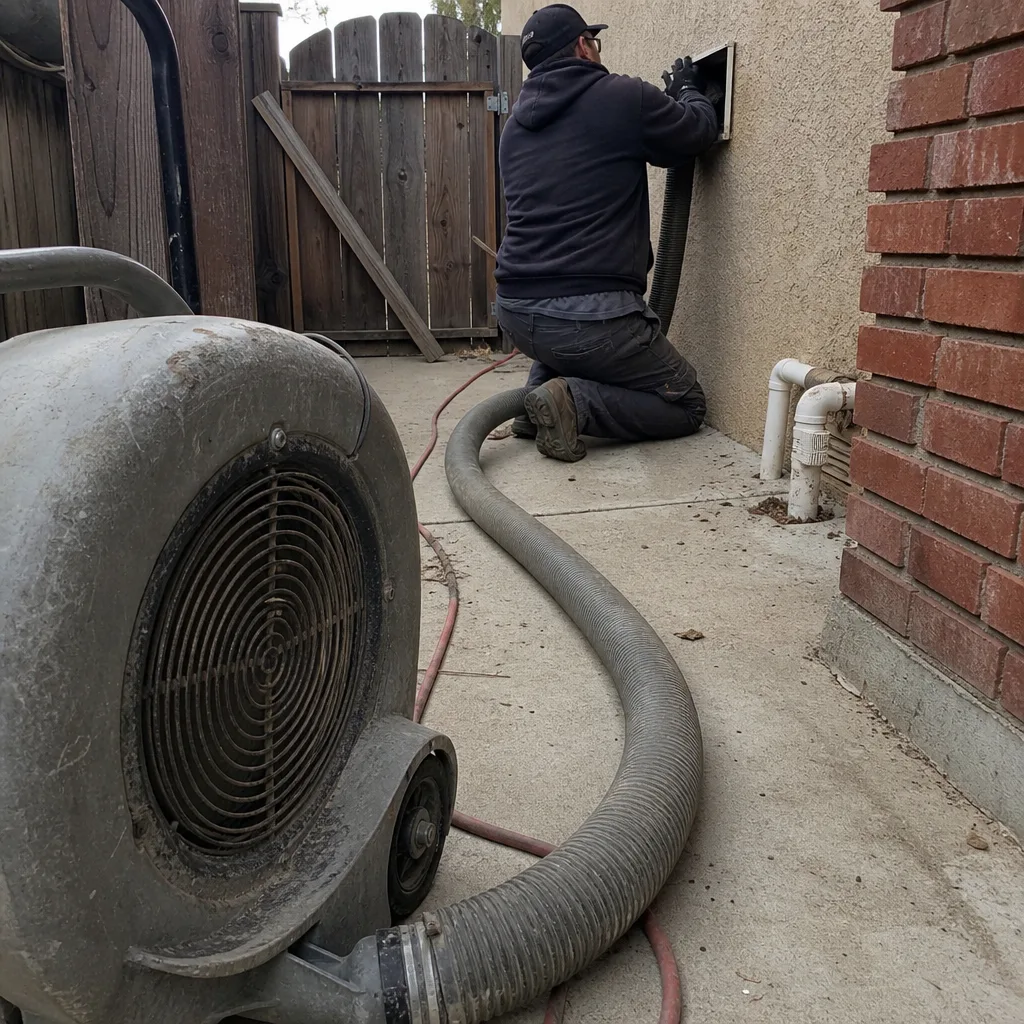 Before
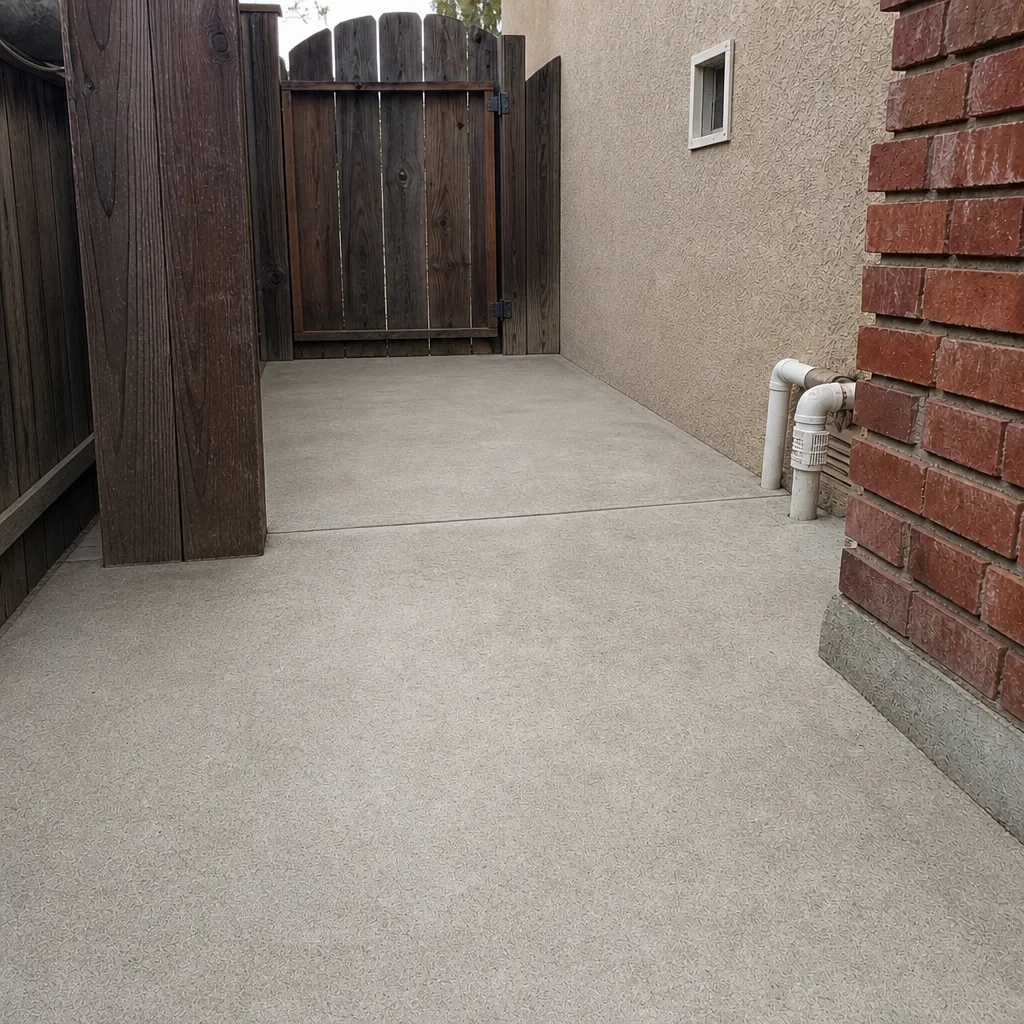 After
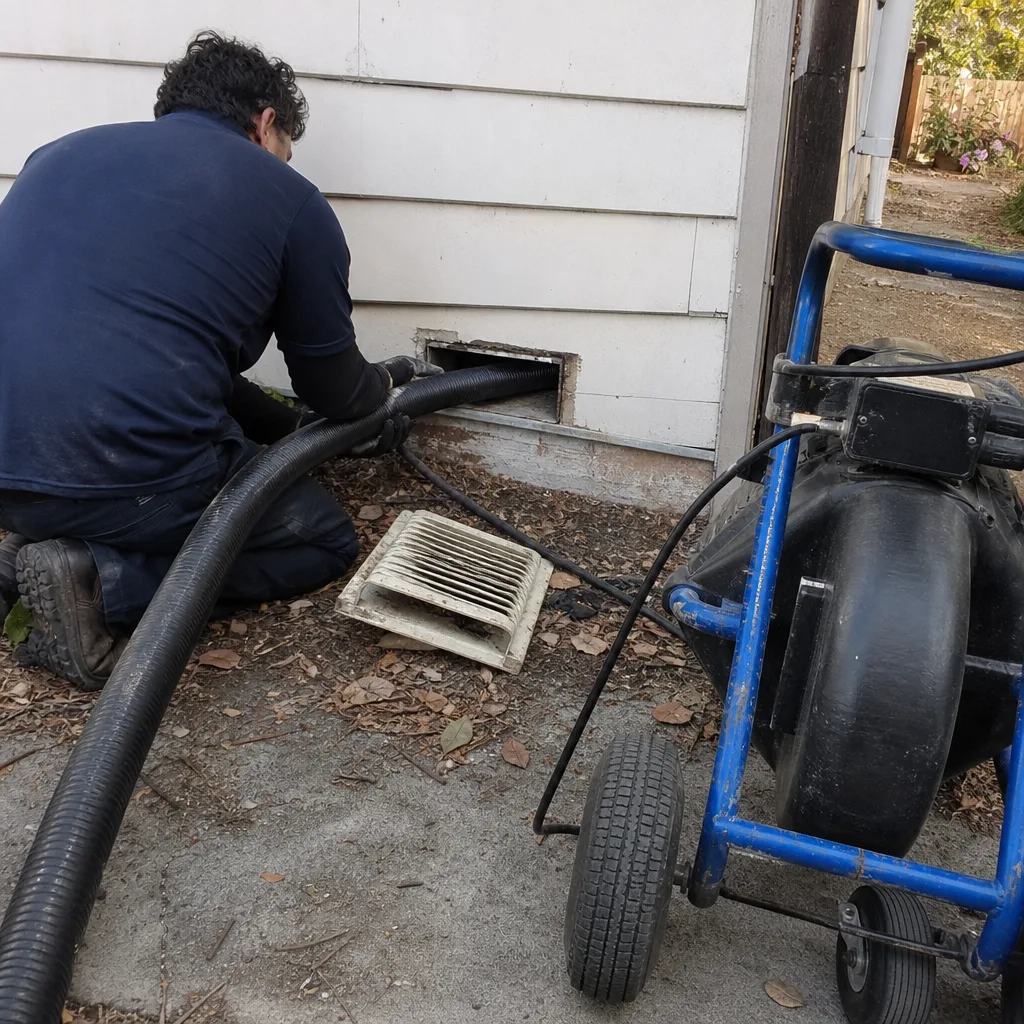 Before
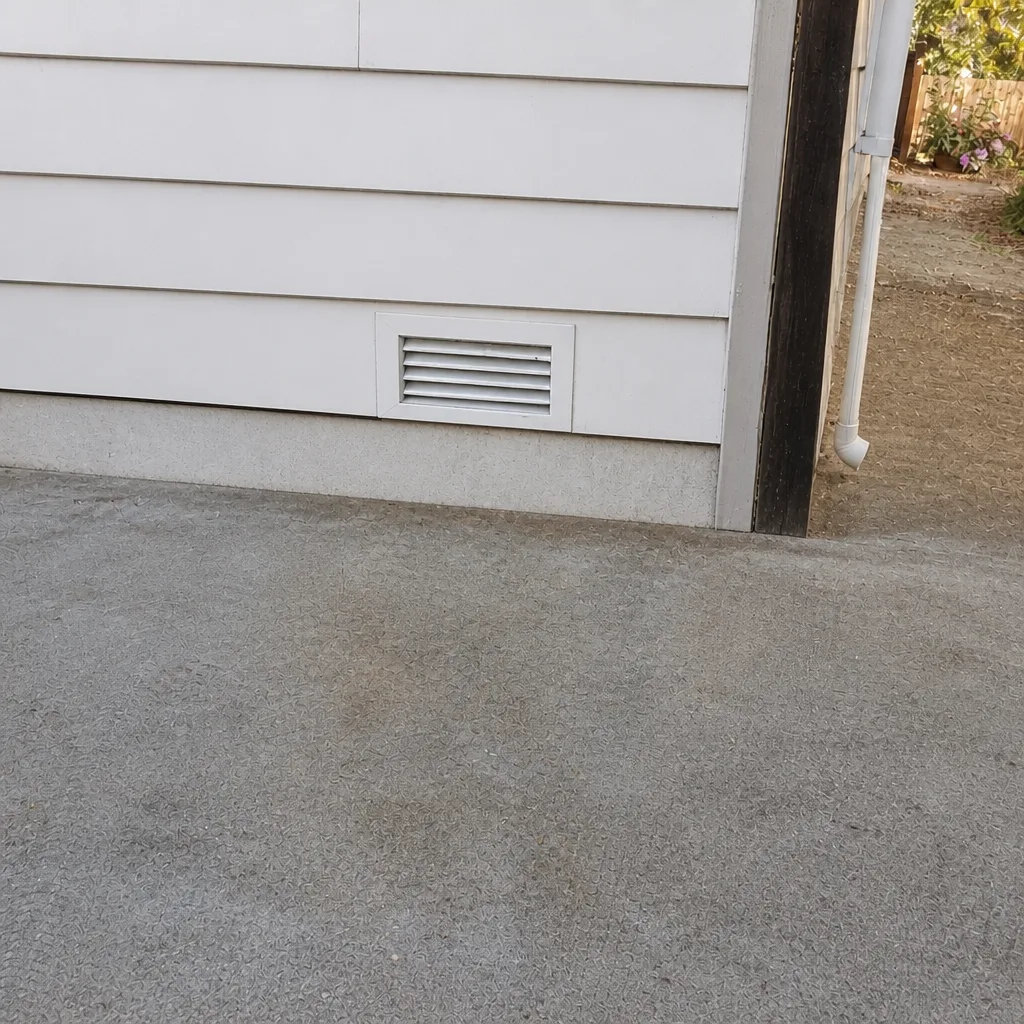 After
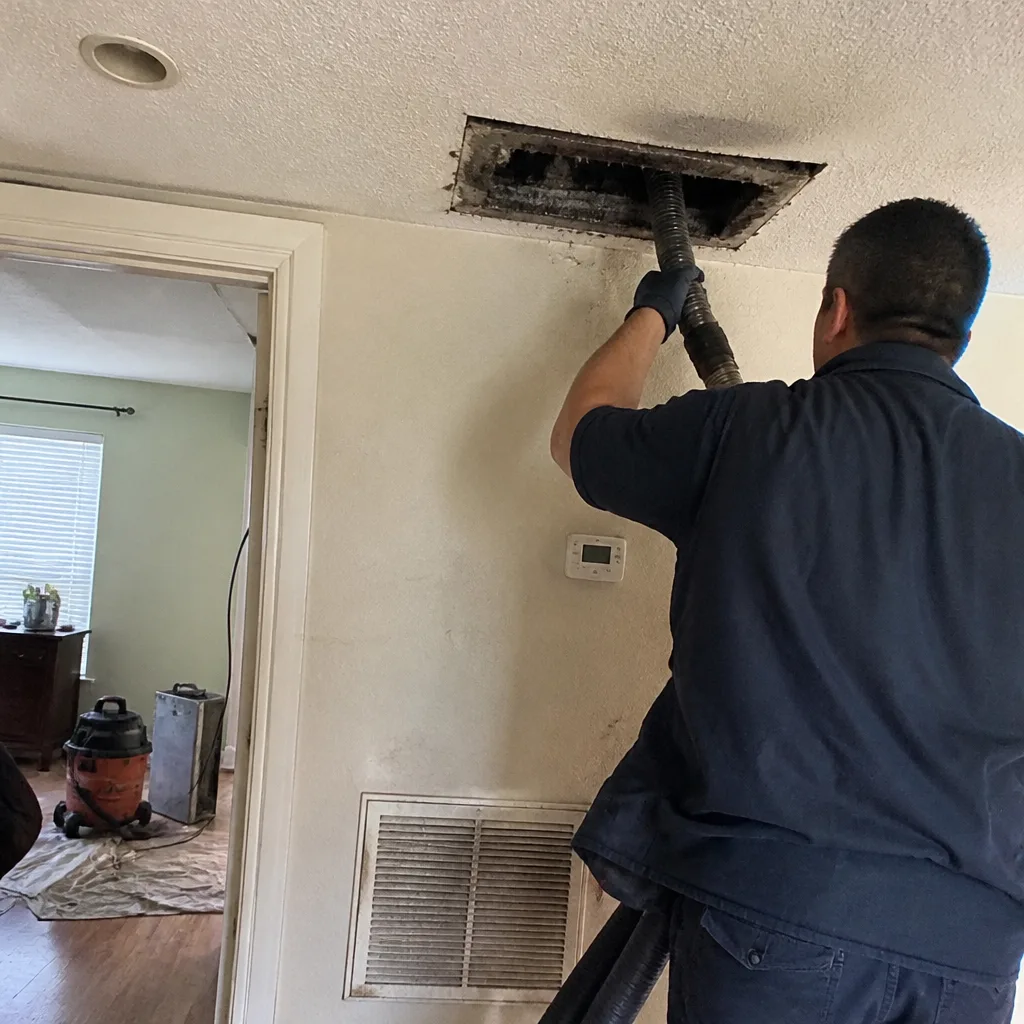 Before
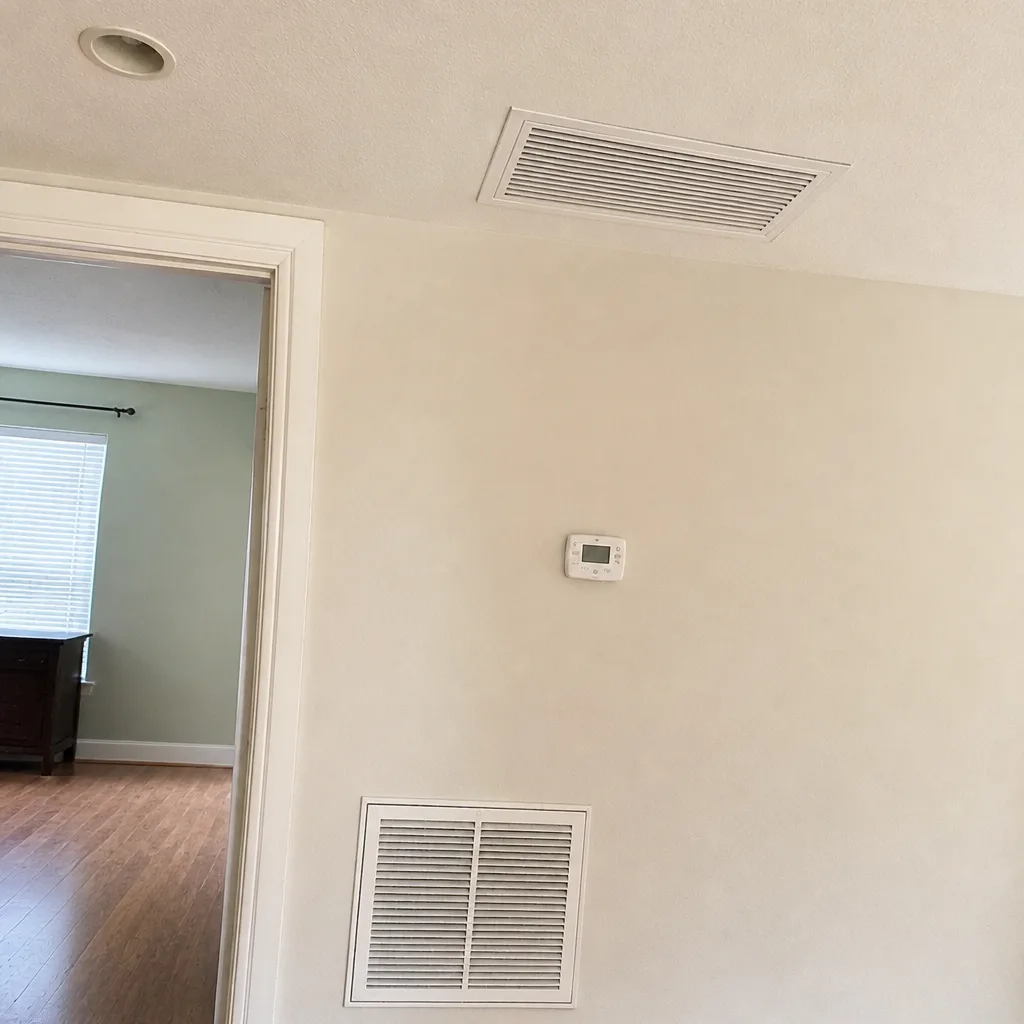 After
When to Call a Professional
Call a professional if you can see visible dust streaks at register edges, if a musty or smoke odor returns when the HVAC system runs, if a room underperforms on heating and cooling compared to the rest, or if you’ve had an active wildfire smoke event settle over Vacaville within the past season. Also call if the dryer takes more than one cycle to dry a load – that’s a real fire-risk signal, not a quirk of the machine. If you’ve never had the system inspected, an annual camera check is the most cost-effective maintenance step. Duct Cleaning Vacaville offers free estimates in Vacaville – call (888) 293-3839. We answer 24/7. Fast dispatch from 7am to 7pm, Sunday through Friday.
Frequently Asked Questions
Every 2 to 3 years is a reasonable baseline for most Vacaville homes, but the right interval depends on your specific stress load. Homes near open agricultural land or in wildfire-adjacent areas may need cleaning sooner after a heavy smoke season. A camera inspection is the only accurate way to know – visual checks at registers aren’t sufficient. Call (888) 293-3839 for an exact quote – estimates are free.
Spring, roughly March through April, is the better window for most homes. The system hasn’t switched to cooling yet, outdoor particulate loads are moderate, and cleaning before summer wildfire season means the ducts start the high-risk period clean. Fall cleaning is worth doing as a post-smoke response, not as the primary annual clean. Call (888) 293-3839 for an exact quote – estimates are free.
Pricing depends on the number of system zones, accessible runs and whether repair work is needed. We don’t quote per-vent prices, because that’s the pricing model coupon-driven companies use to quote low and bill high. One flat price per system is agreed before work starts, based on the written estimate. Call (888) 293-3839 for an exact quote – estimates are free.
Cheaper quotes usually mean consumer-grade equipment – a shop vac and a hose, not a Rotobrush or Nikro platform – and per-vent pricing that climbs once the technician is on site. Ask what equipment will be used and whether pricing is per-system or per-vent before you book. Call (888) 293-3839 for an exact quote – estimates are free.
You should see before-and-after photographs of your own ducts, not stock images or a generic report. A camera inspection at the start and end of the job is standard practice, and a technician using professional-grade equipment has no problem walking you through the footage. Call (888) 293-3839 for an exact quote – estimates are free.
Yes. Smoke particles are finer and adhere more stubbornly than dust or pollen, which means contact cleaning with a rotary brush – not just vacuum – is needed to lift residue from duct liner. An Abatement Technologies air scrubber running during the job keeps the disturbed particles contained in HEPA filtration rather than recirculating into the home. Call (888) 293-3839 for an exact quote – estimates are free.
Yes. Dryer vent cleaning is part of our service scope, not an add-on, and we usually handle both in a single visit when the homeowner wants to. It’s a documented fire-prevention step, and it makes sense to schedule both at the same time. Call (888) 293-3839 for an exact quote – estimates are free.
We repair it. Air duct repair is one of our three core services, which means cleaning and repair are handled by the same company rather than passing you off to someone else. The camera footage determines what gets scoped and the written estimate sets the price before any work begins. Call (888) 293-3839 for an exact quote – estimates are free.
The Bottom Line
Vacaville’s climate doesn’t follow the neat spring-fall cleaning schedule that generic duct guides push. Two dominant stress periods – wildfire smoke in late summer and fall, and agricultural dust through spring and autumn harvest – shape when cleaning matters most, and two relative recovery windows between them are when inspections are clearest. Schedule the annual clean for late winter or early spring, respond to smoke events after they clear (not before), use the December-to-February window for camera inspection, and put the dryer vent on the same calendar. One flat price per system, agreed before work starts, with before-and-after photos so you know it was done. Call (888) 293-3839 for a free estimate. We answer 24/7. Fast dispatch from 7am to 7pm, Sunday through Friday.
Written by the team at Duct Cleaning Vacaville.